As an affiliate, we may earn a commission from qualifying purchases. We get commissions for purchases made through links on this website from Amazon and other third parties.
Japanese rain chains are used because they guide roof runoff to the ground while keeping the water visible. Instead of hiding rain inside a closed downspout, a rain chain lets water run along metal links or small cups. This can turn an ordinary drainage job into part of the building or garden.
In Japan, a rain chain is called kusari-doi (鎖樋), which means a type of “chain gutter.” It serves much the same basic purpose as a vertical downspout: moving water from the roof gutter toward the ground. Traditional examples have been used with Japanese-style buildings, including temples and homes.
Rain Chains Have a Practical Job
A rain chain is not only decoration.
Rain falls onto the roof and enters a horizontal gutter. Instead of entering a closed vertical pipe, the water leaves the gutter through an opening above the rain chain.
Gravity pulls the water downward. Surface tension helps some of the water cling to the links or cups as it falls.
At the bottom, the water may enter:
- A stone or gravel area
- A drainage channel
- A catch basin
- A garden
- A suitable rainwater collection system
The goal is to control where roof water lands rather than letting it pour randomly from the edge of the roof.
Japanese architectural references describe similar systems using bundled palm-fiber rope in place of a rigid vertical gutter. These are associated with sukiya-style architecture, a traditional style closely connected with tea houses and simple, natural materials.
They Make Rain Part of the Building
One important difference between a rain chain and a downspout is visibility.
A normal downspout hides the water inside a pipe. A rain chain puts the water on display.
During a light shower, individual drops may travel down the chain. During stronger rain, the chain can look like a narrow moving stream.
That fits well with Japanese gardens and buildings where water, stone, plants, wood, and changing weather can become visible parts of the surroundings. Japanese garden design commonly uses water, plants, and stone to bring natural elements into even small spaces.
This does not mean that every Japanese building uses rain chains. Ordinary enclosed downspouts are common in Japan too. Kusari-doi are simply one traditional drainage option.
Why Use a Chain Instead of a Downspout?
Rain chains have several useful qualities.
They can look less bulky
A large vertical drainpipe can stand out against exposed wood, stone, or carefully designed walls.
A narrow chain has much less visual weight. That can make it easier to fit into traditional architecture or a garden setting.
They let you see the rainwater
The movement of the water becomes part of the view.
Instead of rain disappearing into plumbing, you can watch it travel from the roof toward the ground.
They can produce a gentle water sound
Rain passing over metal links or cups may create dripping and trickling sounds. The amount of sound depends on the chain, rainfall, height, and surface below it.
A badly placed chain can also make unwanted splashing noise, so this is not always an advantage.
They work well with deep roof eaves
Some traditional Japanese buildings have deep projecting eaves. A hanging rain chain can descend almost straight down from the gutter instead of requiring a rigid pipe to be routed back toward a wall. Modern Japanese rain-chain manufacturers still point to this as one practical architectural use.
Why Do Some Rain Chains Have Cups?
There are two common designs.
A link-style rain chain looks much like a decorative metal chain. Water follows the links downward.
A cup-style rain chain uses a series of open cups, bells, flowers, or funnels connected vertically. Water enters one cup, leaves through its bottom, and enters the next.
Cup designs usually control water better and can reduce splashing compared with very open chain designs.
That matters around:
- Doorways
- Walkways
- Wooden walls
- Foundations
- Areas where uncontrolled splashing could become a problem
Neither design works exactly like a sealed downspout. Some water can leave the chain during heavy rain or strong wind.
Where Does the Water Go at the Bottom?
A rain chain still needs a drainage plan.
Simply hanging a chain from the gutter does not solve runoff problems if the water collects against the building.
Traditional-looking installations often end above a stone basin or gravel area. The water can then drain away through the surrounding landscape or another drainage system.
For a house, the bottom of the chain should send water somewhere that can safely handle it.
That could mean a properly designed drain, infiltration area, rain garden, or rainwater storage system.
The same basic rule applies to an ordinary downspout: roof runoff should not be allowed to repeatedly soak the foundation or splash vulnerable building materials.
Can a Rain Chain Fill a Rain Barrel?
It can, but the connection needs planning.
A rain chain can guide water toward a barrel or other container. However, it does not provide the controlled connection that you get from a sealed downspout diverter.
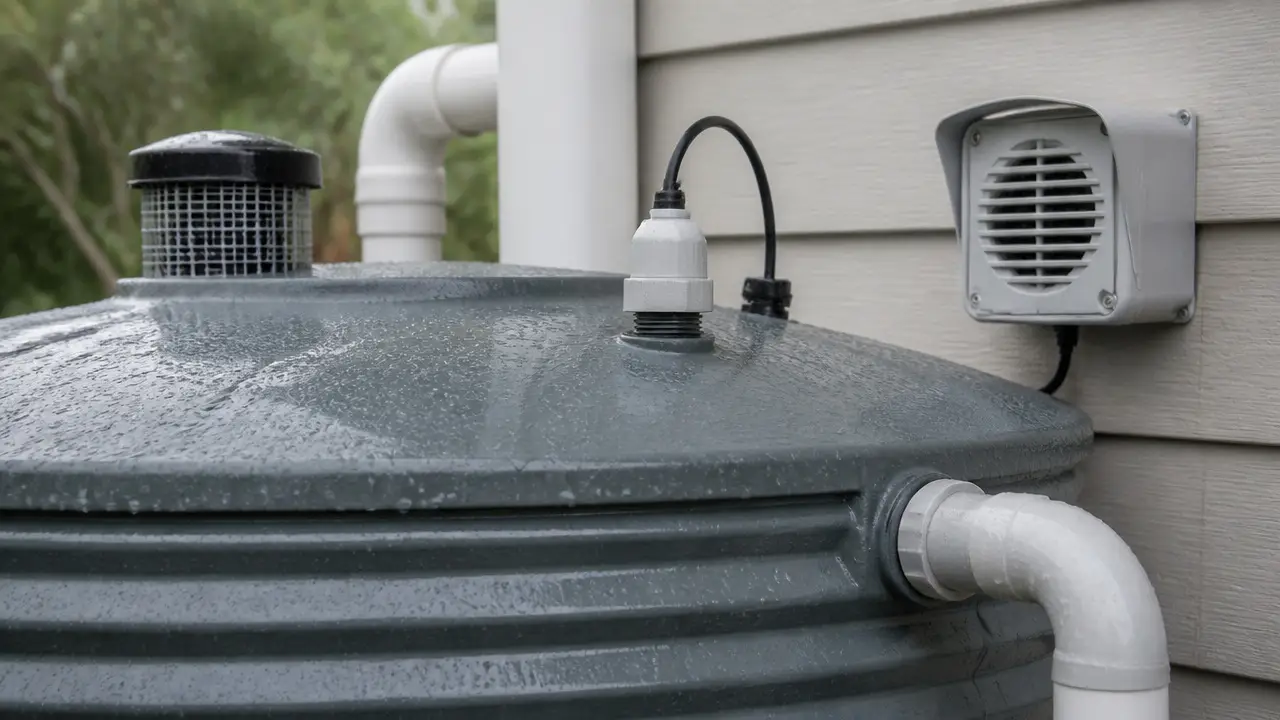
Wind and heavy rainfall can cause water to splash away from the chain. An open container can also allow mosquitoes, leaves, animals, and other debris into the water.
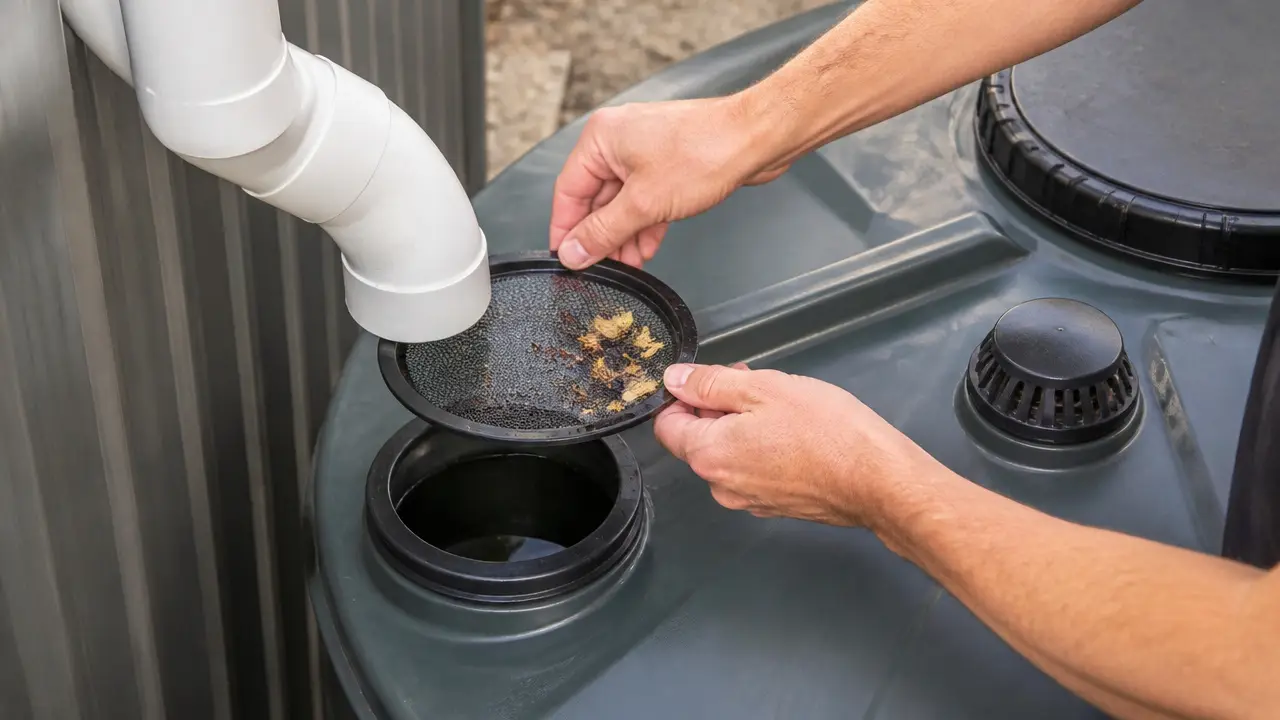
For rainwater storage, the system normally works better when roof runoff passes through suitable debris screening before entering covered storage.
A first-flush device may also be used in some systems. A first flush diverts part of the initial roof runoff, which may carry more dust, droppings, pollen, and loose debris.
A rain chain itself does not filter or disinfect rainwater.
Check the practical value of rain chains to evaluate the available path for moving roof water away.
If the collected water will be used for drinking, the rain chain is only one small part of the collection system. Potable use requires suitable collection materials, treatment, maintenance, current water testing, and compliance with applicable local requirements.
Are Rain Chains Better Than Downspouts?
Not always.
Rain chains are useful when appearance and visible water movement matter, but a conventional downspout usually provides tighter control of runoff.
A closed pipe can be especially useful when you need to:
- Move large amounts of water reliably
- Keep water away from walls
- Connect directly to underground drainage
- Deliver runoff to a sealed storage tank
- Reduce splash near busy walkways
A rain chain may be a good choice when the roof section is suitable and there is a safe place for the water below.
The deciding factor should be drainage performance first and appearance second.
Heavy Rain Can Be a Problem
Rain chains are open systems.
During intense rainfall, water may overflow the gutter opening or leave the chain instead of following it all the way down.
The amount of runoff depends greatly on roof area and rainfall intensity. A small decorative roof section creates far less flow than a large roof.
If a large roof drains toward one chain, appearance alone is not enough to decide whether the chain can handle it.
The gutter outlet, chain design, drainage area, and expected rainfall all need to work together.
Adding more chains or using a different drainage arrangement may be necessary for larger roof sections.
Wind Also Matters
A hanging chain can move in strong wind.
That movement can spread water outside the intended drainage area or allow the chain to strike nearby surfaces.
Some installations use a weight, basin, or lower attachment to help control movement. The correct arrangement depends on the building and chain design.
Do not simply fasten the bottom to a surface without considering how the chain, gutter connection, and building will react to movement.
What About Freezing Weather?
Rain chains can develop ice in freezing conditions.
Water can freeze around the links or cups, making the chain much heavier than normal. Ice can also block the gutter outlet.
That added load matters because the chain hangs from the roof drainage system.
In a freezing climate, the gutter, mounting hardware, chain, and surrounding surfaces should all be considered as one system. Large hanging ice formations can also create a falling-ice hazard.
A rain chain should not be treated as a guaranteed freeze-proof alternative to a downspout.
Why Are Rain Chains Associated With Japanese Temples?
Rain chains can often be seen on traditional Japanese-style architecture, including religious buildings, which helped make them recognizable outside Japan.
However, claims about their exact ancient origin should be treated carefully.
The National Diet Library of Japan reviewed the history of kusari-doi and reported that it could not find evidence supporting a proposed foreign temple origin. It did find architectural references describing bundled palm-fiber rope used instead of vertical downspouts, along with old examples associated with sukiya architecture.
So it is safer to describe the rain chain as a traditional Japanese architectural feature than to give it a precise ancient origin date that cannot be firmly supported.
Why Japanese Rain Chains Still Make Sense Today
The basic idea behind the rain chain is simple.
Rainwater has to leave the roof somehow. A closed downspout hides that process. A rain chain makes it visible.
That combination of drainage and appearance is why kusari-doi have lasted as an architectural feature.
For a modern homeowner, the same practical rules still apply. A rain chain needs a suitable gutter outlet, enough drainage capacity, a safe landing area, and regular cleaning.
When those parts are handled correctly, the chain can manage a small part of the roof drainage system while making rainfall something you can actually see.
Frequently Asked Questions
What is a Japanese rain chain called?
A Japanese rain chain is commonly called kusari-doi (鎖樋). It is a hanging form of vertical roof drainage that guides water downward instead of enclosing it inside a standard pipe.
Do rain chains actually work?
Yes. They can guide roof runoff from a gutter toward the ground. However, they are open systems, so heavy rain and wind can cause more splashing than a closed downspout.
Why don't Japanese houses just use downspouts?
Many do. Rain chains are not used on every Japanese building. Standard downspouts are common. Kusari-doi are used where their appearance, straight hanging path, or visible water movement suits the building.
Does a rain chain need a basin?
Not necessarily. It does need somewhere safe for the water to go. A basin, gravel bed, drain, rain garden, or properly designed collection system can be used depending on the site.
Can rain chains handle heavy rain?
Some designs handle more water than others, but no rain chain should be assumed to handle any roof or storm. Roof area, rainfall intensity, gutter outlet size, chain design, and drainage capacity all matter.
Are cup rain chains better than plain chains?
Cup-style chains usually keep water more contained and may create less splash. Plain link chains have a simpler appearance but can lose more water during heavy rain or wind.
Can you collect rainwater from a rain chain?
Yes, but a rain chain is only a way of moving runoff. It does not screen, filter, disinfect, or make roof water safe to drink. A storage system still needs suitable screening, covered storage, overflow control, and any treatment required for its intended use.