As an affiliate, we may earn a commission from qualifying purchases. We get commissions for purchases made through links on this website from Amazon and other third parties.
Yes. You can install a DIY rain chain without gutters, but you still need a good way to catch roof runoff and guide it onto the chain.
A rain chain works best when water enters it at one controlled point. Without gutters, water may fall along the whole roof edge instead. The key is to place the chain where the roof naturally concentrates water or to add a small diverter that directs runoff toward it.
How a Rain Chain Works Without Gutters
A rain chain replaces the vertical job of a downspout. Water follows the cups, links, or chain downward instead of falling freely from the roof.
A normal gutter does two jobs:
- It collects water across a large section of roof.
- It sends that water toward one downspout.
When there is no gutter, the second job is missing. Simply hanging a chain from the roof edge does not guarantee that much water will reach it.
That is why a gutterless rain chain usually needs one of these arrangements:
- A roof valley that already concentrates runoff.
- A small rain diverter mounted near the roof edge.
- A short section of gutter feeding the chain.
- A roof design that naturally directs water toward one corner or low point.
If water drips evenly across a long eave, a rain chain at one spot will catch only a small part of it.
Find Out Where the Roof Water Goes First
Before installing anything, watch your roof during a moderate rain from the ground.
Look for places where water naturally leaves the roof in a concentrated stream. Common locations include roof valleys, inside corners, and low points along the eave.
Avoid climbing onto a wet roof to investigate runoff. You can usually see the important flow patterns safely from below.
A good rain-chain location should have water arriving close to the same spot each time it rains.
If you see a wide sheet of water coming off the entire roof edge, you will probably need a diverter or short gutter section before a rain chain will work well.
Option 1: Use a Roof Valley
A roof valley is the inside angle where two roof sections meet. Valleys can carry a surprisingly large amount of water because runoff from both roof surfaces is concentrated there.
If a valley ends near the roof edge, a rain chain can sometimes be positioned beneath it.
This is one of the simplest ways to use a rain chain without a full gutter system.
However, concentrated valley flow can also be strong during heavy rain. A small decorative chain may not control all of that water. Some runoff may splash or jump away from the chain.
Make sure the drainage area below can handle water that misses the chain.
Option 2: Add a Small Rain Diverter
A rain diverter is a small piece of flashing or similar roof component that redirects runoff sideways.
It can help move water toward the spot where your rain chain hangs.
This approach can work when the roof does not naturally concentrate water but installing full gutters is unnecessary or unwanted.
Roof modifications must be handled carefully. Poorly installed flashing can create places where water gets beneath roofing materials.
Do not simply screw a homemade strip through shingles without considering how the roof sheds water. If installing the diverter requires lifting roofing, penetrating the roof covering, or changing flashing around a valley, a roofer may be the safer choice.
Option 3: Install a Short Gutter Section
You do not need gutters around the entire house to use a rain chain.
A short gutter section can collect runoff from the part of the roof you care about and direct it to the chain.
This often gives better control than trying to catch water directly from an open roof edge.
The gutter needs enough slope for water to move toward the outlet. It also needs secure supports and an outlet that lines up with the top of the chain.
For a rainwater collection setup, this method also makes it easier to add screens or other debris-control parts before water reaches a barrel or tank.
How to Hang the Rain Chain
The chain needs a strong attachment point.
Do not assume a thin fascia board, roof trim piece, or decorative hook can safely hold it. A chain becomes heavier when wet, and wind can make it swing.
Cup-style chains can hold additional water during a storm.
A secure mounting point should support the chain without damaging the roof or pulling loose from the building.
The chain should hang almost vertically. Keep enough space around it that swinging links or cups will not repeatedly hit siding, windows, or trim.
At the bottom, secure the chain if needed so wind cannot move it excessively.
Give the Water Somewhere to Go
Installing the chain is only half of the job.
Water still needs drainage at ground level.
Without proper drainage, a rain chain can concentrate roof runoff directly beside the foundation. That can cause soil erosion, mud, splashing, and unwanted water near the building.
Possible drainage areas include:
- A gravel-filled splash basin.
- A properly placed drainage channel.
- A landscaped infiltration area where conditions allow.
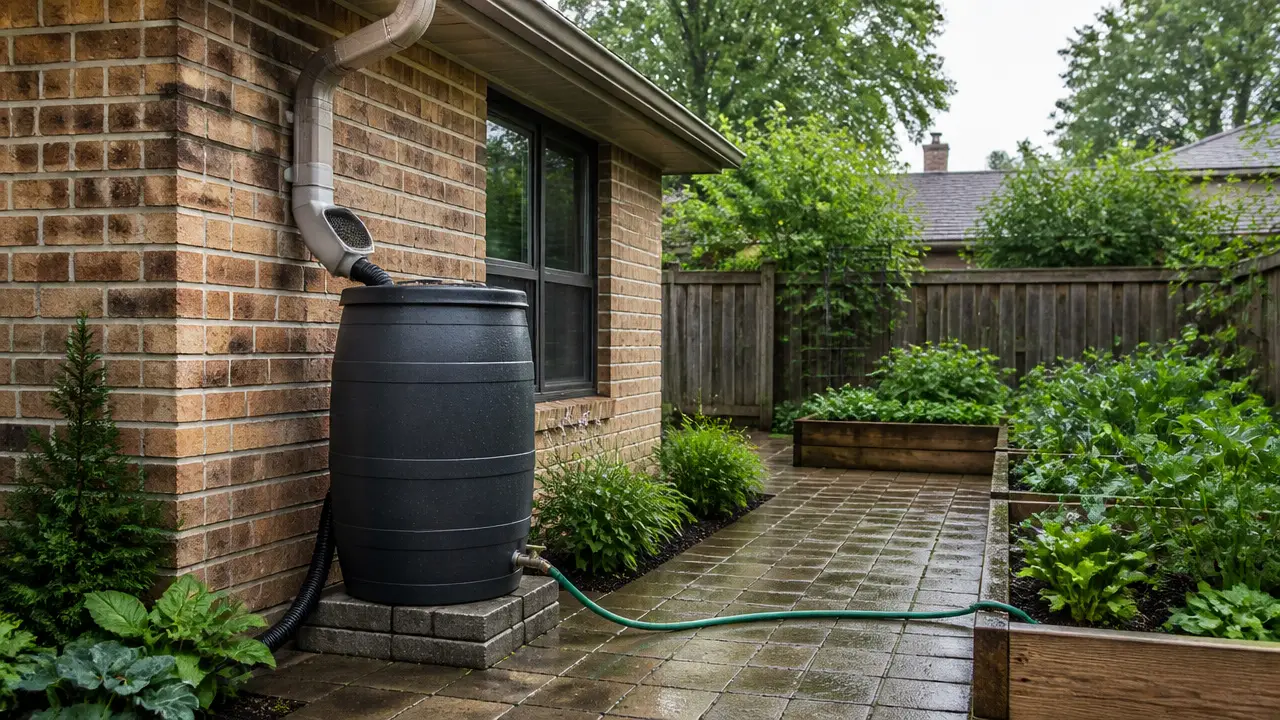
- A rain barrel or other non-potable rainwater storage container.
The goal is to move or absorb the water without creating a wet area against the house.
Do not direct concentrated runoff toward a neighboring property, septic component, unstable slope, or another area where extra water can cause problems.
Can a Rain Chain Feed a Rain Barrel Without Gutters?
It can, but the setup is harder to control.
A gutter normally delivers water directly into a downspout or rainwater inlet. With a gutterless chain, wind and heavy rain can cause some of the water to miss the chain or storage opening.
If you want to collect useful amounts of water, a short gutter feeding the chain is usually more predictable.
Also keep debris in mind. Roof runoff can carry leaves, dust, bird droppings, roofing particles, insects, and other material.
Evaluate the performance of rain gutter chains to assess collection design for forecast rainfall and debris loads.
A screen can keep larger debris and mosquitoes out of a barrel, but it does not make the collected water potable.
For garden use, also consider the roofing material and what plants will receive the water. Not every roof surface is equally suitable for every water use.
What Happens During Heavy Rain?
Rain chains control water better during light and moderate rainfall than during very intense runoff.
During a heavy storm, water may:
- Jump away from the top of the chain.
- Overflow small rain-chain cups.
- Splash against walls.
- Wash gravel or soil away at the bottom.
- Bypass the chain completely if the roof flow shifts with wind.
The larger the roof area feeding one location, the more important overflow control becomes.
A chain beneath a large roof valley may receive much more water than one beneath a small porch roof.
Plan the ground drainage so it still works when some water misses the chain.
How Long Should the Chain Be?
Measure from the intended attachment point to the drainage area below.
The chain generally should reach close to the ground, basin, or collection point. Leaving a long open drop underneath it increases splashing.
Avoid pulling the chain extremely tight. It needs to hang naturally.
If you anchor the bottom, use the anchor mainly to control movement rather than stretching the chain under heavy tension.
DIY Rain Chain Materials
A rain chain does not have to use elaborate cups. Simple metal chain can guide water if the links provide enough surface for water to follow.
The material should tolerate outdoor exposure.
Remember that some metals change appearance as they weather. Also consider compatibility if different metals will remain in contact while wet, because certain metal combinations can increase corrosion.
Avoid lightweight materials that can easily blow around or deteriorate in sunlight.
Whatever design you choose, make sure it cannot create sharp edges or loose pieces where people walk.
Rain Chain vs. Downspout Without Gutters
A rain chain is mainly a way to guide concentrated falling water.
It is not a replacement for the collection function of a gutter.
If your roof produces runoff across a long eave, adding several rain chains will not necessarily solve the problem. Water can continue falling between them.
For situations where controlling large amounts of runoff matters, gutters and downspouts usually provide much more predictable drainage.
A gutterless rain chain makes the most sense when the roof already concentrates water at one point or when you can create a small controlled collection area.
When a DIY Installation May Not Be a Good Idea
A simple chain hanging from an accessible, strong attachment point can be a reasonable DIY project.
The project becomes more complicated when it involves:
- Working on a steep or high roof.
- Cutting or altering roofing materials.
- Changing roof flashing.
- Drilling through shingles or other roof coverings.
- Repairing rotten fascia or structural wood.
- Handling very large roof drainage areas.
- Directing water close to a basement or foundation problem.
Roof leaks can begin with very small installation mistakes. If your design requires changing the roof itself rather than attaching a chain below it, consider having a qualified roofer handle that part.
A Simple Gutterless Setup
For a small porch or shed, a basic arrangement might look like this:
Roof runoff → roof valley or small collection point → rain chain → gravel basin
If you want to collect the water instead:
Roof runoff → short gutter → screened outlet → rain chain → covered rain barrel
The second setup is usually easier to control because the gutter provides a defined path into the chain.
Neither arrangement makes roof runoff safe for drinking. Potable use requires a suitable collection system, appropriate treatment stages, current water testing, regular maintenance, and compliance with applicable local requirements.
Frequently Asked Questions
Can I attach a rain chain directly to the roof?
Sometimes the chain can hang from a suitable point beneath the roof edge, but avoid making unnecessary holes through roofing materials. An improper roof penetration can leak. Use a secure attachment designed for the structure involved, and get roofing help if flashing or shingles must be altered.
Will a rain chain catch water if I have no gutters?
Only if water reaches the chain. If runoff falls evenly along the roof edge, one chain will collect very little. A roof valley, diverter, or short gutter can concentrate the flow.
Can I put a rain chain under a roof valley?
Yes, a roof valley can provide the concentrated flow a rain chain needs. However, valleys can carry a large amount of water during storms, so expect some overflow and provide good drainage below.
Do I need to anchor the bottom of a rain chain?
Not always, but anchoring can reduce movement in windy locations. The anchor should control swinging without putting excessive tension on the chain.
Can a rain chain drain into a rain barrel?
Yes. Make sure the barrel has a screened inlet, secure cover, and safe overflow route. Some water may miss a gutterless rain chain during wind or heavy rain, so a short gutter usually improves collection.
Can I use a rain chain instead of gutters around my whole house?
Usually not if you need to control runoff across long roof edges. Rain chains guide water downward after it has been concentrated. Gutters collect water across the roof edge and direct it to specific drainage points.
What should I put under a rain chain?
Use a surface that can handle concentrated runoff, such as a suitable gravel basin or other drainage system. Avoid letting the chain discharge directly onto bare soil beside the foundation, where erosion and standing water can develop.