As an affiliate, we may earn a commission from qualifying purchases. We get commissions for purchases made through links on this website from Amazon and other third parties.
An off-grid water system can range from a simple rainwater setup for garden use to a much larger system that supplies a cabin or home. The biggest cost differences come from where the water comes from, how much you need to store, whether the water must be pressurized, and whether it will be used for drinking.
A basic gravity-fed system may need only gutters, a storage tank, screens, and simple plumbing. A household system may also need large tanks, pumps, pressure controls, filtration, treatment, electrical equipment, excavation, and professional plumbing work.
What Makes an Off-Grid Water System Cost More?
It helps to think of the system as a complete water path:
Source → collection → storage → treatment → pump → plumbing → point of use
Each part adds equipment, installation work, and future maintenance.
Water Source
Your water source has a major effect on the system.
Common off-grid sources include:
- Rainwater collected from a roof
- A private well
- A spring
- Hauled water delivered to a storage tank
- Water pumped from another approved source
Rainwater harvesting can be relatively simple when water is only needed for irrigation. A drilled well can involve specialized equipment and professional work.
Some properties use more than one source. For example, a cabin might collect rainwater but have hauled water available when the tanks run low.
Storage Is Often One of the Biggest Parts of the System
Off-grid homes usually need more storage than a small garden rain barrel.
Storage requirements depend on:
- Number of people using the water
- Daily water use
- Length of dry periods
- Local rainfall patterns
- Roof collection area
- Whether another water source is available
A larger tank does more than increase equipment needs. It may also require a prepared base, overflow drainage, larger pipes, excavation, or freeze protection.
Do Not Forget the Weight of Stored Water
Water is heavy. Large tanks need suitable support.
An above-ground tank should sit on a stable base designed for its weight when full. Installing a tank on a deck, elevated platform, or questionable structure should not be treated as a casual DIY project.
Buried cisterns have different requirements. Excavation, soil conditions, groundwater, tank specifications, and safe access all matter.
Rainwater Collection Equipment
A rainwater system usually starts with more than a tank.
Depending on the setup, it can include:
- Gutters and downspouts
- Gutter screens
- Leaf or debris filters
- First-flush equipment
- Tank inlet screens
- Calming inlets
- Overflow plumbing
- Mosquito-resistant screens
A first flush device diverts some of the initial roof runoff before water enters storage. That early runoff can carry dust, leaves, bird droppings, and other material from the roof.
Good prefiltration can also reduce the amount of sediment that reaches the tank. This does not make the water safe to drink, but it can make storage and later treatment easier to manage.
Pumps and Pressure Equipment
A gravity-fed garden line may not need a pump at all.
A cabin or household system usually needs more pressure.
A pumped system may include:
- Water pump
- Pressure tank
- Pressure switch or controller
- Check valves
- Shutoff valves
- Dry-run protection
- Electrical wiring
- Plumbing fittings
Pump selection should match both flow rate and head height.
Flow rate is the amount of water the pump can move during a certain amount of time.
Head height describes how high the pump must lift water, along with the resistance created by pipes and fittings.
Choosing a pump only by pipe size or maximum advertised flow can result in weak pressure or an oversized system.
Filtration and Water Treatment
Treatment requirements depend strongly on how the water will be used.
Garden and Irrigation Water
Water used only for irrigation may need relatively simple screening or filtration, particularly when drip emitters are involved.
Small openings in drip systems can clog with sediment.
Toilet Flushing and Other Non-Potable Uses
Non-potable means water that is not intended for drinking.
Systems supplying toilets, outdoor taps, or other permitted non-potable uses may require additional filtration, dedicated plumbing, backflow protection, labeling, or other measures depending on local requirements.
Drinking Water
Using collected rainwater as drinking water is a much bigger system decision.
A complete approach may involve:
- Suitable roof and collection materials
- Debris exclusion
- First-flush management
- Proper storage
- Sediment filtration
- Additional treatment appropriate to the water
- Current laboratory testing
- Routine maintenance
- Compliance with applicable local requirements
A sediment filter, carbon filter, UV unit, purifier, test strip, or handheld meter should not be treated by itself as proof that roof runoff is safe to drink.
For potable systems, work with qualified water-treatment professionals and current health guidance appropriate to your location.
Plumbing and Installation Can Change the Budget Quickly
Two systems with similar tanks can have very different installation requirements.
A tank positioned next to a shed may need relatively short plumbing runs.
Details about off-grid cabin water-supply options help verify this choice within the overall harvesting layout.
A household cistern located away from the building may need:
- Trenching
- Buried piping
- Underground electrical work
- Pressure equipment
- Tank penetrations
- Drainage work
- Freeze protection
A bulkhead fitting is a sealed fitting that passes through the wall of a tank. Correct fitting size and compatibility matter because tanks, pumps, valves, and pipes must connect properly.
Professional labor becomes especially important when the project involves excavation, structural support, household plumbing, electrical work, or pressurized systems.
Power Supply Matters Off Grid
A water pump needs energy.
Possible power arrangements include:
- Solar electricity
- Battery storage
- Generator power
- Another off-grid electrical system
A larger pump can increase both the electrical load and the equipment needed to run it.
Instead of choosing the water pump first, it is often better to consider the water and electrical systems together.
Gravity can sometimes reduce power needs. For example, an elevated storage tank can provide some pressure without running a pump every time a faucet opens. Safe structural support is essential if a large tank is elevated.
Freezing Climates Add More Requirements
Cold climates can make an off-grid water system more complicated.
Potential problems include freezing in:
- Pumps
- Filters
- Valves
- Exposed pipes
- Tank outlets
- Outdoor hose connections
Freeze protection might involve protected equipment locations, suitable pipe routing, drainage provisions, insulation, or other climate-specific measures.
Insulation alone does not guarantee that standing water will not freeze.
If your system must operate throughout winter, include freeze protection in the original design instead of trying to add it after the first freeze.
Maintenance Is Part of the Long-Term Cost
An off-grid water system is not a one-time installation.
Typical maintenance can include:
- Cleaning gutters and screens
- Inspecting tank inlets
- Removing accumulated debris
- Checking overflow paths
- Cleaning or replacing filters
- Inspecting pumps and pressure equipment
- Checking for leaks
- Maintaining treatment equipment
- Testing water when appropriate
- Winterizing seasonal systems
Treatment systems used for drinking water require especially careful maintenance. A system that worked correctly when installed may not continue working properly if filters, lamps, chemicals, or other treatment components are neglected.
How to Keep an Off-Grid Water System Affordable
The best way to control cost is usually to design the system around what the water actually needs to do.
For example, you may not need household-style pressure and extensive treatment for a system that only waters a vegetable garden.
A practical planning process is:
- Decide what the water will be used for.
- Estimate how much water you need.
- Identify your dependable water sources.
- Determine how much storage is reasonable.
- Decide whether gravity or a pump will move the water.
- Select treatment appropriate to the intended use.
- Plan overflow, drainage, and freeze protection.
- Check that every pipe, fitting, pump, filter, and tank connection is compatible.
- Identify work that requires qualified contractors.
- Plan for ongoing cleaning and maintenance.
Keeping potable and non-potable uses separate can also prevent unnecessary treatment equipment in systems where local rules allow that arrangement.
A Small System and a Whole-House System Are Very Different Projects
Consider two examples.
Simple Garden Setup
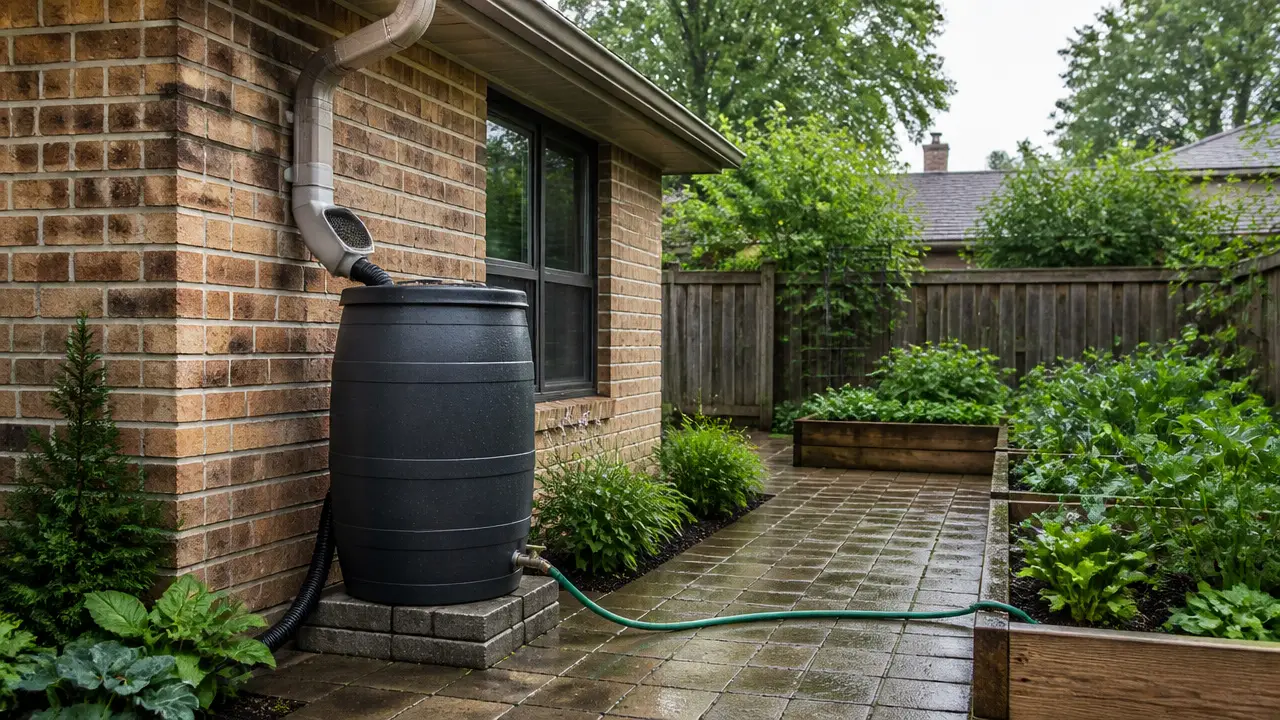
A garden rainwater system might use:
- Roof runoff
- Leaf screening
- A rain barrel or small tank
- Overflow piping
- A hose or gravity-fed irrigation line
This can be a relatively straightforward DIY project when the tank sits safely at ground level and the plumbing remains simple.
Off-Grid Cabin or Home
A more complete system might use:
- Large rainwater storage
- Prefiltration
- A pump
- Pressure tank
- Household plumbing
- Backup water supply
- Water treatment
- Electrical controls
- Freeze protection
If drinking water is included, the collection, treatment, testing, and maintenance requirements become much more important.
That is why there is no single useful cost for every off-grid water system. System scope matters more than the label "off grid."
Frequently Asked Questions
Is rainwater harvesting the cheapest off-grid water system?
It can be relatively simple when an existing roof provides the collection area and the water is used for irrigation or other suitable non-potable purposes. Large storage tanks, pumps, household plumbing, treatment, excavation, and freeze protection can make a rainwater system much more involved.
Can an off-grid water system work without electricity?
Yes. Some systems use gravity to move water. Whether gravity provides enough flow and pressure depends on the height difference between the water level and the outlet, as well as pipe size and plumbing resistance. Many household systems still use pumps.
How big should an off-grid water tank be?
Tank size depends on water use, rainfall or refill frequency, collection area, dry periods, and available backup water. Larger is not automatically better because tank dimensions, weight, site preparation, overflow management, and maintenance also matter.
Do I need a pump for an off-grid water system?
Not always. Gravity may be enough for some garden or low-pressure applications. Showers, appliances, filters, and household plumbing often need more consistent pressure, which commonly requires a pump and pressure controls.
Can I drink water from an off-grid rainwater system?
Collected rainwater should not automatically be considered potable. Drinking-water use requires suitable collection and storage, appropriate treatment, current water testing, careful maintenance, and compliance with applicable local requirements.
What is the most expensive part of an off-grid water system?
There is no single answer. Large storage, drilling a well, excavation, pumps, pressure equipment, treatment systems, electrical work, and professional installation can all become major parts of a project depending on the site.
Can I build an off-grid water system myself?
Simple ground-level rain barrel and garden systems may be suitable DIY projects. Large tanks, structural supports, excavation, electrical work, pressurized household plumbing, and drinking-water treatment can require qualified professional help.