As an affiliate, we may earn a commission from qualifying purchases. We get commissions for purchases made through links on this website from Amazon and other third parties.
The best water filter for off-grid water is usually not one filter. It is a staged treatment system chosen for your water source and how you plan to use the water.
For drinking water, a practical setup often includes sediment filtration, treatment for known chemical problems, and a final germ-control step such as UV or properly managed disinfection. Reverse osmosis may also make sense when testing shows dissolved chemicals that the rest of the system cannot handle.
The starting point is always the water source. Rainwater, well water, and stream water can have very different problems. CDC guidance recommends testing private well and collected rainwater and choosing treatment that addresses the germs or chemicals actually present. No single treatment method protects against every possible problem.
Best Off-Grid Water Filter by Water Source
| Water source | Good starting approach | Main concern |
|---|---|---|
| Rainwater | Debris control → sediment filter → treatment matched to testing → disinfection for drinking | Roof debris, germs, chemicals from collection surfaces |
| Private well | Sediment filter if needed → treatment based on lab results → disinfection if needed | Bacteria, minerals, naturally occurring or local chemicals |
| Spring | Sediment filtration → testing → germ treatment and any needed chemical treatment | Changing biological and chemical contamination |
| Lake, river, or stream | Prefilter → fine filtration → disinfection, with additional treatment based on testing | Germs plus possible chemical contamination |
| Stored hauled water | Sediment/carbon treatment as needed → protect storage from contamination | Contamination during transport or storage |
Water that is only used for irrigation usually needs much less treatment than water used for drinking or cooking.
Potable means water suitable for drinking. Non-potable means water that is not intended for drinking. Keeping those two uses separate can make an off-grid system much simpler.
A Good General Off-Grid Treatment Setup
A common off-grid system might look like this:
Water source → storage → sediment filtration → carbon or specialty treatment if needed → drinking-water treatment → faucet
The exact order can change with the water source.
1. Keep Large Debris Out First
Do as much cleaning as possible before water reaches a fine filter.
For rainwater, this may include:
- Gutter screens
- Leaf screens
- A screened tank inlet
- A first-flush diverter
- Settling inside the storage tank
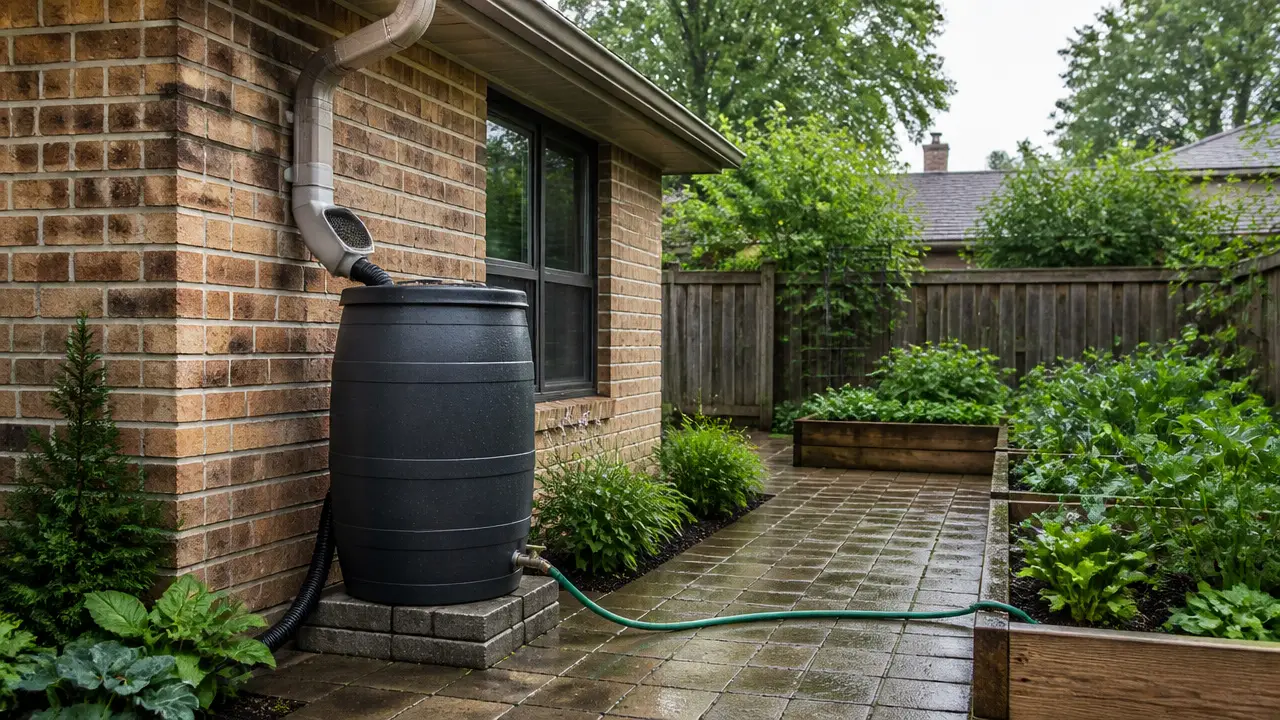
A first-flush diverter sends some of the first roof runoff from a storm away from the storage tank. That early runoff can carry dirt, bird droppings, pollen, and other material from the roof.
CDC specifically recommends considering first-flush diversion and screened collection for rainwater systems. It also warns that collected rainwater is not automatically safe to drink.
Good debris control reduces how quickly the next filters clog.
2. Use Sediment Filtration
A sediment filter removes suspended particles such as:
- Sand
- Rust
- Silt
- Fine roof debris
- Tank sediment
Sediment filters are often arranged from coarse to fine.
For example, a system may use a washable coarse filter before a finer cartridge. This lets the cheaper or easier-to-clean stage catch most of the dirt.
Do not automatically choose the smallest micron rating available.
A micron rating describes the approximate size of particles a filter is designed to catch. A very fine filter can clog quickly if dirty water reaches it.
Also remember that a small micron number does not automatically mean the water is safe to drink. Different germs and dissolved chemicals require different treatment.
3. Add Activated Carbon When It Has a Job to Do
Activated carbon can help with some:
- Tastes
- Odors
- Organic compounds
- Chemicals covered by the filter's specific reduction claims
Carbon is useful, but it is not a universal drinking-water purifier.
Many common carbon filters are mainly designed to improve taste and smell rather than remove disease-causing organisms. CDC recommends checking the filter's stated contaminant-reduction claims instead of assuming that carbon makes untreated water safe.
Carbon cartridges also need regular replacement. Old filters can become fouled, and microorganisms can grow in poorly maintained treatment equipment.
Is Ultrafiltration Good for Off-Grid Water?
Ultrafiltration can be a useful off-grid filtration stage because it can remove very small particles and many microorganisms without the high operating pressure normally associated with reverse osmosis.
CDC describes ultrafiltration as effective against parasites and bacteria, but only somewhat effective against viruses. It also does not remove dissolved chemical contamination.
That makes ultrafiltration useful as part of a system, but it should not automatically be treated as the only drinking-water treatment stage.
It works especially well when the incoming water has already been cleaned enough that the membrane will not clog rapidly.
When Reverse Osmosis Makes Sense
Reverse osmosis, usually shortened to RO, pushes water through a very tight membrane.
RO can remove germs and reduce certain dissolved chemicals. The exact chemical reduction depends on the system and its certified claims.
RO can be a good choice when testing finds problems such as certain dissolved salts, metals, or other contaminants that sediment and carbon filtration will not adequately address.
However, RO has tradeoffs for off-grid systems.
It generally requires:
- Adequate water pressure
- Prefiltration
- Periodic membrane replacement
- Drainage for reject water
- Enough stored water to handle its recovery rate
- A pump if gravity pressure is insufficient
For a small solar-powered cabin, treating only the kitchen drinking-water faucet with RO may be more practical than running every gallon used for showers and toilets through the membrane.
This is called a point-of-use system because it treats water at one location. A point-of-entry system treats most or all water entering the building.
UV Is Often a Good Final Treatment Stage
Ultraviolet treatment uses UV light to control microorganisms.
UV can be a useful final stage for an off-grid drinking-water system because it does not need to add chemicals to the water.
But UV depends heavily on the water reaching the unit in suitable condition.
Cloudy water and suspended particles can interfere with UV treatment. CDC notes that UV treatment works better when the water is filtered before it reaches the UV unit. UV also does not remove chemicals.
An off-grid UV unit also needs reliable electricity.
Before choosing one, check:
- Required flow rate
- Required water clarity
- Required inlet pressure
- Electrical load
- Lamp replacement schedule
- Whether replacement lamps will be available
- What happens during a power failure
Flow rate means how many gallons or liters of water move through the system in a given amount of time. Water moving faster than a treatment unit is designed for can reduce its effectiveness.
If the cabin loses power often, the drinking-water system should be designed so untreated water cannot simply flow past a disabled UV stage without the user knowing.
What About Lake, River, or Stream Water?
Surface water deserves extra care.
Clear mountain water can still contain germs from people or animals. CDC recommends boiling uncertain natural water when practical, or filtering it and then disinfecting it.
Details about safe filtration ratings for drinking water help understand whether another test is needed for the suspected hazard.
A basic camping filter should not automatically be treated as a permanent household treatment plant.
Surface water quality can change after:
- Heavy rain
- Flooding
- Agricultural runoff
- Wildlife activity
- Upstream construction
- Sewage problems
- Seasonal algae growth
Chemical contamination can also require treatment that a normal backpacking filter cannot provide.
For a permanent off-grid home drawing from surface water, professional system design and regular laboratory testing are sensible.
What Is Best for Rainwater?
For rainwater, the best approach starts before the water reaches the filter.
A useful layout may include:
- A suitable collection roof
- Clean gutters
- Leaf and insect screens
- First-flush diversion where appropriate
- Covered storage
- Sediment filtration
- Treatment selected from water-test results
- A properly designed germ-control stage for potable use
Roof runoff can pick up germs and chemicals from the air, roofing, gutters, pipes, and storage materials. CDC recommends regular testing when collected rainwater is used for drinking, cooking, or bathing.
A cartridge filter installed after a rain barrel does not turn the barrel into a drinking-water system by itself.
The collection surface, tank, plumbing, treatment equipment, maintenance schedule, and testing all matter.
What Is Best for Well Water?
Well water should be treated according to its test results.
A well may need very little treatment, or it may have specific problems such as:
- Bacteria
- Sediment
- Hardness
- Iron
- Manganese
- Nitrate
- Arsenic
- Other local contaminants
There is no universal cartridge that solves all of these.
EPA recommends using a certified drinking-water laboratory for private well testing and selecting treatment based on the contaminants found.
Some problems may also point to an issue with the well itself. In that case, repairing or protecting the source can make more sense than continually treating contaminated water.
Look at Certification Claims, Not Just the Filter Type
Two filters that look similar may be tested for completely different jobs.
NSF drinking-water standards cover different treatment functions. For example:
- NSF/ANSI 42 covers certain aesthetic effects such as taste and odor.
- NSF/ANSI 53 covers specific contaminants with health effects.
- NSF/ANSI 55 covers ultraviolet treatment systems.
- NSF/ANSI 58 covers reverse osmosis systems.
A certification number is not a general statement that the unit removes everything.
Check the actual contaminant-reduction claim for the model you are considering. NSF notes that certification to one treatment standard does not mean a system reduces every possible contaminant.
Do Not Ignore Water Pressure and Power
A filter has to fit the rest of the off-grid plumbing system.
Gravity-fed tanks can provide much less pressure than a normal household pressure system. Fine cartridges, carbon blocks, ultrafiltration membranes, and RO systems can all create resistance.
Before building the system, check:
- Available pressure
- Pump capacity
- Filter pressure drop
- Maximum system flow
- Pipe size
- Filter connection size
- Electrical demand
- Pump start-up load
A system that technically filters water but delivers only a weak trickle at the faucet is not a good system.
Likewise, installing a large pump does not fix every flow problem. Small pipes, clogged cartridges, undersized housings, and restrictive treatment equipment can still limit water delivery.
Maintenance Matters as Much as Filter Choice
Off-grid treatment equipment needs routine attention.
Typical work can include:
- Washing screens
- Removing tank sediment
- Changing cartridges
- Cleaning filter housings
- Replacing carbon media
- Servicing pumps
- Replacing UV lamps
- Cleaning UV sleeves
- Replacing RO membranes
- Checking seals and fittings
- Testing treated water
Do not wait for bad taste or cloudy water before maintaining the system. Harmful contamination does not always change how water looks, tastes, or smells.
Keep replacement cartridges, O-rings, lamps, and other critical parts on hand when the property is far from suppliers.
The Best Off-Grid Setup for Most People
For non-potable water such as garden irrigation, simple screening and sediment control may be all that is needed.
For drinking water, think in stages rather than searching for one miracle filter:
Protect the source → remove debris → remove sediment → treat known chemicals → control germs → maintain the system → verify water quality.
Testing should guide the chemical-treatment stages.
If collected rainwater, well water, or another private source will be used for drinking, cooking, or other potable uses, use current laboratory testing and follow applicable local health and plumbing requirements. More complex systems involving pressure equipment, chemical dosing, or uncertain contamination are good places to involve a qualified water-treatment professional.
Frequently Asked Questions
Is a 1-micron filter enough for off-grid drinking water?
Not by itself. A fine filter may remove some particles and microorganisms, but it may not remove viruses or dissolved chemicals. Treatment should be chosen according to the water source and test results.
Is reverse osmosis the best off-grid water filter?
RO can be very useful when dissolved contaminants need to be reduced, but it requires pressure, maintenance, and reject-water handling. It may be unnecessary for water that does not have contaminants requiring RO treatment.
Can I drink rainwater after putting it through a carbon filter?
A carbon filter alone should not be assumed to make collected rainwater potable. Rainwater can contain germs and chemicals from the atmosphere, roof, gutters, plumbing, and storage system. Drinking-water use requires suitable collection, treatment, maintenance, and testing.
Should UV go before or after the filters?
UV normally works best near the end of treatment, after sediment and other filtration have made the water sufficiently clear for the UV system. Follow the UV manufacturer's required water-quality and flow conditions.
What filter is best for a gravity-fed off-grid system?
Choose low-restriction treatment that can operate at the pressure your tank provides. Some fine filters and membrane systems need more pressure than gravity alone can supply, so a pressure pump may be required.
Do I need to filter all the water in an off-grid house?
Not always. Irrigation and toilet water may need much less treatment than drinking water. Treating drinking and cooking water at one faucet can reduce equipment size, power use, and maintenance when local rules allow separate potable and non-potable systems.
How often should off-grid drinking water be tested?
CDC recommends testing private well or rainwater sources at least annually for harmful germs and chemicals, with additional testing when conditions or water characteristics change. Your local health department may recommend additional tests or a different schedule for your area.