As an affiliate, we may earn a commission from qualifying purchases. We get commissions for purchases made through links on this website from Amazon and other third parties.
Cistern water can be drinkable, but you should not assume that water is safe just because it is stored in a cistern. The answer depends on where the water came from, how it was collected, how the cistern is maintained, what treatment is used, and whether testing confirms the water is suitable for drinking.
A cistern filled with treated drinking water is very different from a cistern collecting untreated roof runoff. Rainwater can pick up germs, animal waste, dirt, metals, and other contaminants before it reaches the tank. The CDC recommends testing rainwater used for drinking, cooking, or bathing and using treatment that addresses the contaminants actually present.
When Is Cistern Water Drinkable?
Cistern water may be suitable for drinking when the entire water system is designed and maintained for potable water. Potable simply means water that is suitable for human consumption.
There are two common situations.
A cistern storing already-treated water
Some cisterns are filled with water from a public drinking-water system or another known potable source.
In this case, the water entering the cistern has already been treated. The main concern is preventing it from becoming contaminated during storage.
The cistern should be:
- Made from materials suitable for drinking-water storage.
- Covered and protected from insects, animals, dirt, and runoff.
- Kept in good condition.
- Connected in a way that prevents contamination from other water systems.
- Cleaned and maintained as needed.
Even treated water can become unsafe if a dirty or damaged tank contaminates it.
A cistern collecting rainwater
A rainwater cistern starts with a much less predictable source.
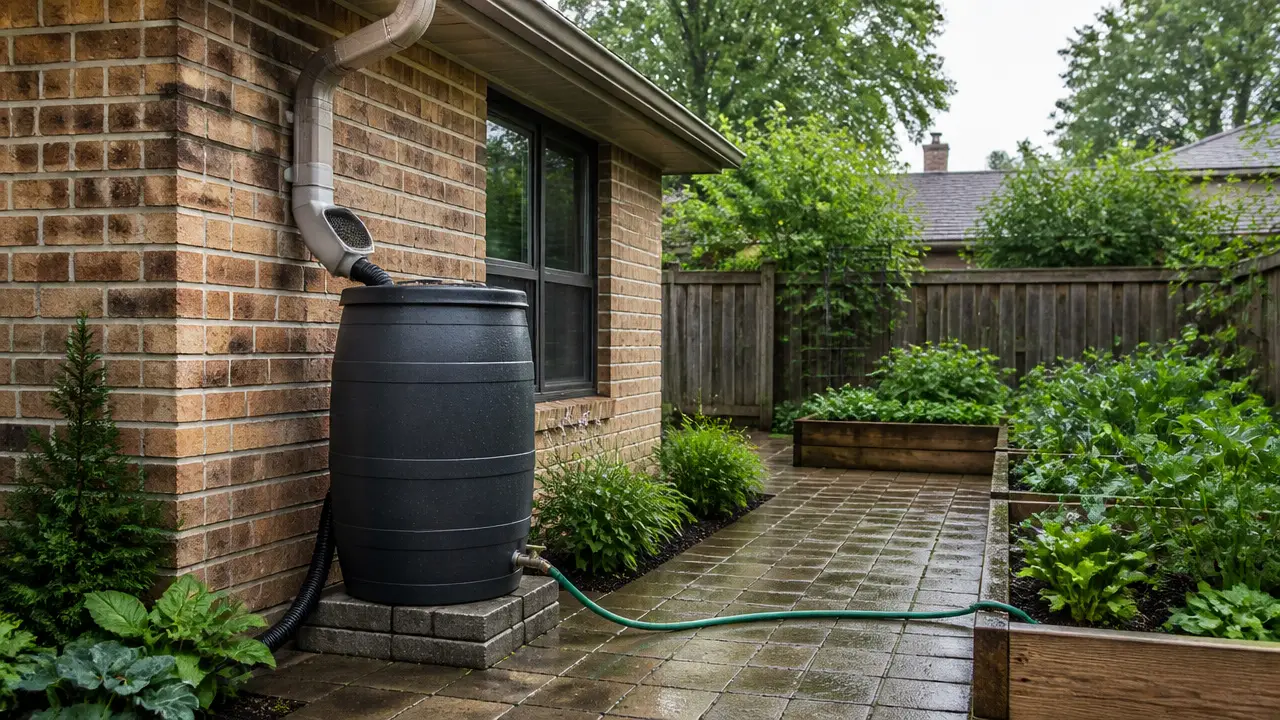
Rain can pick up contamination from the air. It can then wash material from the roof, gutters, and pipes into the cistern. Bird droppings, insects, leaves, dust, roofing materials, and metals are possible sources of contamination.
Untreated rainwater from a cistern should therefore not be assumed to be drinking water.
Making collected rainwater potable normally requires attention to the whole system, from the roof through treatment to the drinking-water outlet.
Why Clear Cistern Water May Still Be Unsafe
Water can look perfectly clean and still contain contaminants.
You cannot reliably judge drinking-water safety by:
- Color.
- Clarity.
- Taste.
- Smell.
Disease-causing microorganisms and some harmful chemicals may be present without producing any obvious change in the water. The CDC specifically warns that appearance, taste, and smell are not reliable ways to determine whether water is safe.
This is one reason a clear cistern should not automatically be treated as a clean-water supply.
What Can Get Into a Rainwater Cistern?
A rainwater system has several opportunities for contamination before the water reaches your glass.
Contamination from the roof
Roof surfaces collect material between storms, including:
- Dust.
- Leaves.
- Bird and animal droppings.
- Insects.
- Airborne particles.
- Debris from nearby trees.
The beginning of a rainstorm can wash much of this material into the gutters.
A first-flush diverter can help. This device sends the first portion of roof runoff away from the cistern instead of storing it. That first runoff often carries a larger amount of roof debris and contamination.
A first-flush diverter improves source-water quality, but it does not turn rainwater into drinking water by itself.
Chemicals from collection materials
Rainwater can also contact:
- Roofing materials.
- Roof coatings.
- Flashing.
- Gutters.
- Fasteners.
- Pipes.
- Tank materials.
Depending on those materials, substances such as lead, copper, or other chemicals can enter the water.
A potable rainwater system therefore needs suitable collection and storage materials, not simply a clean-looking roof.
Contamination inside the cistern
Problems can continue after the water reaches storage.
A poorly protected cistern may allow:
- Insects to enter.
- Rodents or other animals to reach the water.
- Dirt to wash through openings.
- Sediment to accumulate.
- Contaminated surface water to enter.
- Microorganisms to grow in accumulated debris.
Tank openings should be protected, and the cistern needs periodic inspection and maintenance.
What Does a Drinking-Water Rainwater System Need?
There is no single filter that automatically makes every cistern safe to drink from.
Treatment has to match the source water and the contaminants that need to be controlled.
A potable rainwater system may include several stages.
1. Suitable collection surfaces
Drinking-water treatment becomes harder if the source water starts heavily contaminated.
The roof, gutters, pipes, sealants, and other collection components should be appropriate for their intended use. Questionable coatings, old materials, or sources of metal contamination deserve special attention before rainwater is used for drinking.
2. Debris control
Gutter guards, inlet screens, and similar devices can keep leaves, insects, and larger material out of the tank.
These are prefilters, not drinking-water treatment.
Their job is mainly to reduce the amount of material reaching storage.
3. First-flush diversion
A first-flush system sends away some of the initial runoff from the roof.
This can reduce the dirt and contamination entering the cistern, especially after a dry period. The correct amount to divert depends partly on the collection area and system conditions; there is no single diversion volume that is right for every roof.
4. Protected storage
The cistern should prevent outside contamination from entering the stored water.
Important details include:
- Secure covers.
- Screened openings where appropriate.
- Suitable tank materials.
- Proper overflow design.
- Protection from animals and insects.
- Separation from contaminated surface runoff.
Sediment should also be managed rather than allowed to build up indefinitely.
5. Filtration
Filtration may be used to remove suspended material before later treatment stages.
Look closely at risks of drinking untreated rainwater to assess upkeep actions that credible water-quality results support.
Filter performance is often described by a micron rating. A micron is a very small unit of measurement used to describe particle size.
A sediment filter may make water clearer and protect downstream equipment, but removing visible particles does not prove that the water is microbiologically or chemically safe.
Different contaminants require different treatment technologies.
6. Disinfection
A drinking-water system may also need a disinfection step intended to control microorganisms.
Possible treatment methods can include properly designed ultraviolet or chemical disinfection systems. The appropriate method depends on the water quality and system design.
UV treatment, for example, should not be treated as a complete rainwater purifier. Water conditions and upstream treatment matter, and UV does not remove every possible chemical contaminant.
Likewise, adding a disinfectant does not automatically deal with metals, fuel, pesticides, or other chemical contamination.
Treatment should address the actual hazards in the water rather than relying on one device to solve every problem.
Does Boiling Make Cistern Water Safe to Drink?
Boiling can kill many disease-causing microorganisms, but it does not solve every cistern-water problem.
In particular, boiling is not a general method for removing harmful chemicals.
If water has been contaminated with fuel or toxic chemicals, the CDC advises that it cannot simply be made safe through normal emergency water treatment.
For a permanent rainwater drinking system, boiling should not be used as a substitute for proper collection, treatment, maintenance, and testing.
Should Cistern Water Be Tested?
Yes, if you intend to drink it.
Testing is especially important for private rainwater systems because they do not receive the routine monitoring provided to public drinking-water systems.
The CDC recommends testing water from a rainwater collection system at least once each year for harmful germs and chemicals. Testing may also be appropriate when water quality changes or when something happens that could have contaminated the system.
Your local health department can help identify appropriate tests for local conditions.
Testing should be performed by a qualified laboratory when results are being used to determine whether water is suitable for drinking. Simple home strips or handheld meters cannot provide a complete drinking-water safety assessment.
For example, a total dissolved solids meter measures the electrical conductivity associated with dissolved material in water. It cannot tell you whether harmful bacteria, viruses, or specific toxic chemicals are absent.
What If the Cistern Has Been Flooded?
Treat this differently from ordinary rainwater collection.
Floodwater can carry sewage, chemicals, fuel, animal waste, and many other contaminants. The CDC advises that cistern water exposed to floodwater should be assumed contaminated. The cistern may need to be drained, cleaned, disinfected, and refilled appropriately before normal use resumes.
Do not enter a cistern to clean it unless the work can be performed safely. Tanks and underground cisterns can create confined-space hazards that are not appropriate for routine DIY entry.
If fuel or toxic chemical contamination is suspected, do not rely on normal filtration or disinfection to make the water drinkable. Use another safe water supply and seek guidance from the appropriate health or environmental authority.
Can Cistern Water Be Used Without Drinking-Water Treatment?
Often, yes.
Rainwater that is not suitable for drinking may still be useful for certain non-potable purposes. Non-potable means the water is not intended for drinking.
Depending on local rules and water quality, possible uses may include:
- Landscape irrigation.
- Washing outdoor equipment.
- Other uses where swallowing the water is unlikely.
Indoor uses can involve additional plumbing, backflow, treatment, or permitting requirements.
Rainwater plumbing must not be allowed to contaminate a home's drinking-water plumbing. The CDC recommends keeping rainwater separate from piped drinking water and consulting local authorities about proper connections.
Rules for rainwater collection and potable use vary by location, so check current state and local health, plumbing, and building requirements before installing a drinking-water system.
The Practical Rule for Drinking Cistern Water
Think of a cistern as storage, not as treatment.
The tank itself does not determine whether the water is drinkable.
If the cistern contains water from a known potable source and the storage system is sanitary, it may remain suitable for drinking.
If it contains collected rainwater, drinking-water safety depends on the entire system:
suitable catchment → debris control → protected storage → appropriate treatment → laboratory testing → regular maintenance
Skipping one of those parts can undermine the others.
For simple garden rainwater storage, a homeowner can often handle much of the installation and upkeep. Once the water will be used for drinking, cooking, or other household uses where people may swallow it, the consequences of a mistake are greater. A qualified water-treatment professional and your local health authority can help determine the treatment and testing needed for your particular water source.
Frequently Asked Questions
Can you drink water straight from a cistern?
Not unless you know the water is potable. Treated drinking water stored in a clean, protected cistern may be drinkable. Untreated rainwater collected from a roof should not automatically be considered safe to drink.
Is rainwater stored in a cistern safe after filtering?
Not necessarily. A sediment or carbon filter may remove certain particles or contaminants, but no single filter proves that rainwater is safe from all harmful germs and chemicals. Treatment should be selected for the contaminants present, followed by appropriate testing.
How often should cistern drinking water be tested?
The CDC recommends testing water from private rainwater collection systems at least once a year for harmful germs and chemicals. Additional testing may be appropriate after contamination events, system repairs, or noticeable water-quality changes.
Can I use a UV light to make cistern water drinkable?
UV can be one part of a properly designed treatment system, but it should not be treated as a complete solution. It does not remove every chemical contaminant, and its effectiveness depends on water quality, equipment condition, and proper operation.
Is cistern water safe for cooking?
Water used for cooking should meet the same basic safety expectations as drinking water because it can be swallowed. Do not assume untreated cistern rainwater is suitable for cooking.
Can I drink cistern water if it looks and tastes good?
No. Clear, good-tasting water can still contain harmful microorganisms or chemicals. Appearance, smell, and taste are not reliable drinking-water safety tests.
What should I do if floodwater gets into my cistern?
Assume the water is contaminated. Avoid drinking it and follow current health-department or CDC guidance for cleaning and disinfecting the cistern. If fuel or toxic chemicals may have entered the tank, do not try to make the water drinkable with ordinary household treatment.