
As an affiliate, we may earn a commission from qualifying purchases. We get commissions for purchases made through links on this website from Amazon and other third parties.
Best Overall
Best Vacuum-and-Blower Kit
Best Lightweight Extension
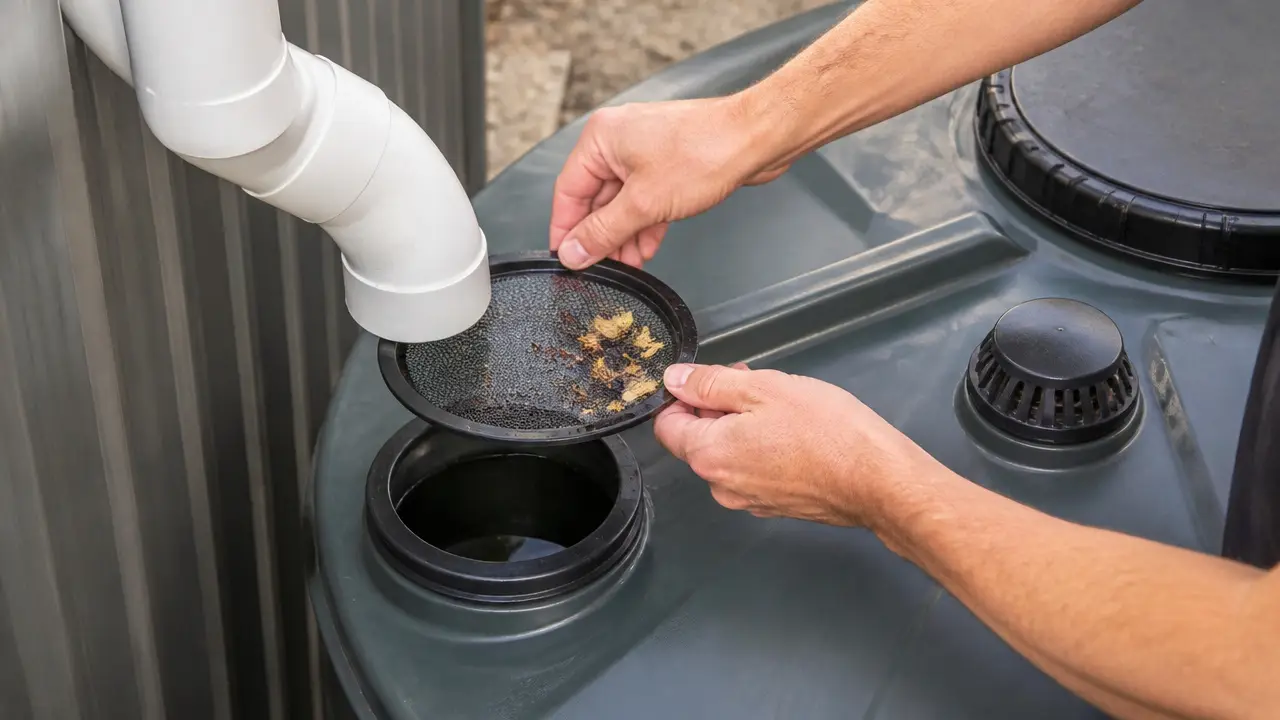
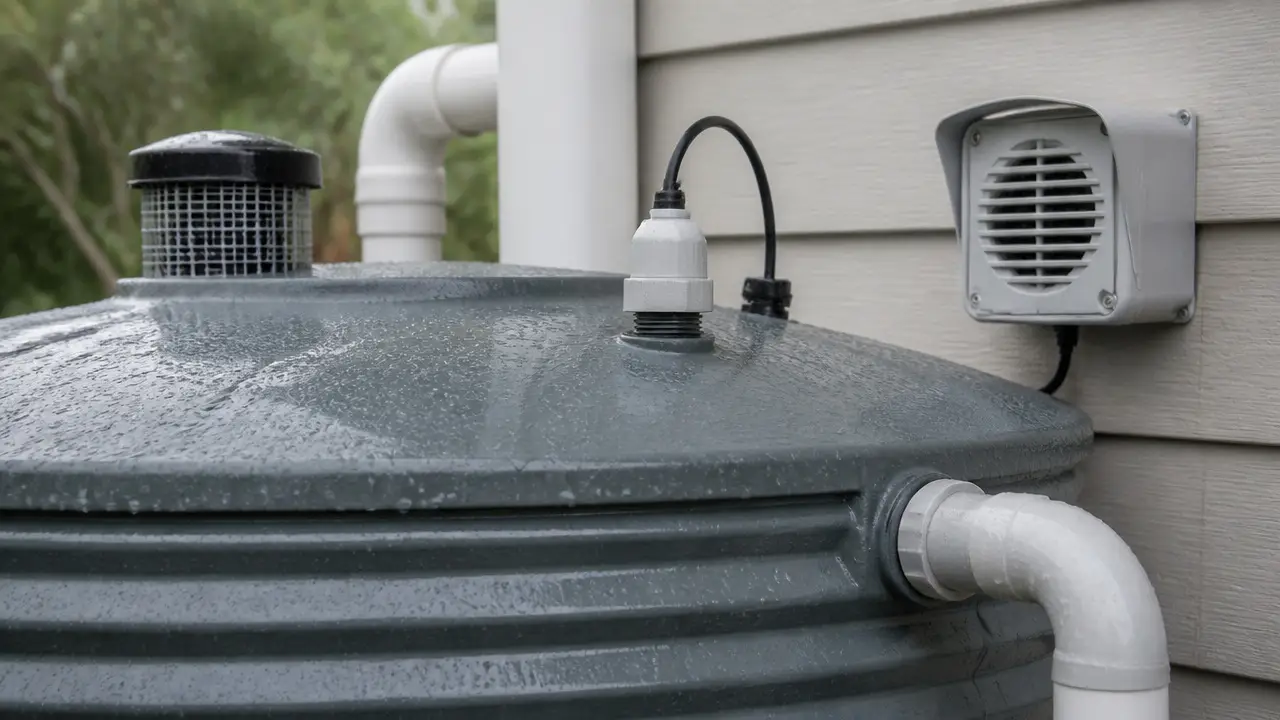
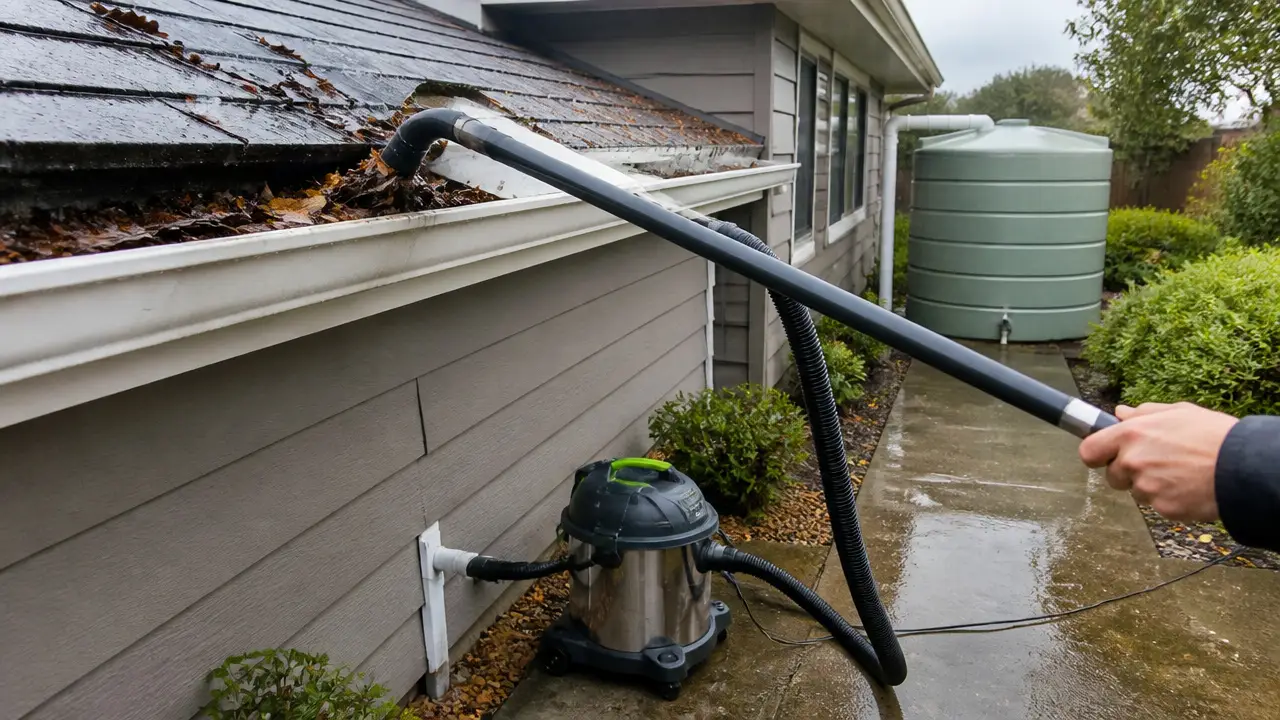
A gutter vacuum attachment is useful for rainwater harvesting because it removes leaves, seeds, and dry debris instead of washing them toward the downspout. That can reduce the amount of organic material reaching the diverter, first-flush stage, tank screen, and stored water.
The key word is attachment. These products do not include the wet/dry vacuum itself. Most are built around a 2-1/2-inch shop-vac hose, and the vacuum's airflow matters just as much as the tube kit. A weak vacuum, wrong hose diameter, loose extension joint, or clogged elbow can make a good-looking kit frustrating to use.
Ground-based cleaning is the main benefit when the eaves are within reach. If the roof is too high for the extension system, do not overreach or improvise unstable access. Use proper equipment or professional gutter cleaning instead.
Gutter Vacuum Attachments at a Glance
| Product | Best For | Main Strength | Main Tradeoff |
|---|---|---|---|
| CRAFTSMAN 2-1/2-Inch Kit | Best all-around use | Vacuum and blower nozzles plus two extension wands | Sections can loosen and reach may be short on taller eaves |
| WORKSHOP Gutter Kit | Vacuuming larger debris | 2-1/2-inch path, two extensions and 90-degree elbow | Joints can separate and large debris can clog the tube |
| Sealegend 5.6-Foot Kit | Lightweight reachable eaves | Simple 2-1/2-inch system with useful ground reach | Limited long-term history and only modest reach |
| Sealegend 5-Foot Kit | Alternate extension system | 120-degree curved top and compatible 2-1/2-inch connection | Rubber connectors and short tube sections can come apart |
Hose Diameter Comes First
All four kits are designed around a 2-1/2-inch wet/dry-vac system. If your vacuum uses a smaller hose, do not assume the tubes will seal correctly without a suitable adapter. A leaky adapter reduces suction and adds another joint that can separate overhead.
The larger tube diameter is useful because gutter debris is bulky. Leaves, acorns, and seed pods move more easily through a 2-1/2-inch path than through a narrow household vacuum hose. Even so, a thick wet clump can block an elbow or extension.
Check whether your vacuum can be used safely for the type of debris present. Follow the vacuum's filter and wet/dry setup instructions rather than treating every gutter as a dry pickup job.
The Most Complete 2-1/2-Inch Gutter Kit
1 / 4
CRAFTSMAN 2-1/2-Inch Gutter Cleaning Wet/Dry Vac Attachment Kit
Connection
2-1/2 in wet/dry vac hose
Pieces
4
Included
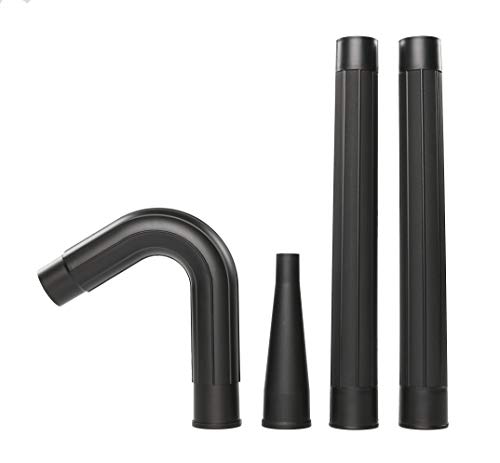
Gutter nozzle, blower nozzle, 2 extension wands
Modes
Vacuum or blower
The CRAFTSMAN kit is the best overall option because it gives you both collection and blowing tools in one 2-1/2-inch system. The gutter nozzle and extension wands let a compatible wet/dry vac pull dry debris out, while the blower nozzle can use the vacuum's exhaust port when blowing is more practical.
Reported use supports ground-based cleaning on reachable gutters and shows that the kit can clear leaves quickly with a capable shop vac. The broad tube diameter also handles larger debris better than a narrow vacuum attachment.
The main frustration is joint security. Some sections fit loosely and can separate, especially when the assembly is moved overhead. The standard reach can also be short, so taller first-story eaves may need compatible extra extensions. Avoid makeshift connections that cannot stay locked under normal movement.
Why It Works
- Designed for common 2-1/2-inch wet/dry-vac systems.
- Vacuum mode removes debris instead of scattering it.
- Blower nozzle adds a second cleaning method.
- Two extension wands reduce the need for direct gutter access on reachable homes.
What To Keep In Mind
- Extension joints may need frequent reseating.
- Reach is not enough for every roofline.
- Vacuum performance depends on the shop vac supplying the airflow.
A Wide-Path Kit for Vacuuming Leaves and Acorns
2 / 4
WORKSHOP 2-1/2-Inch Gutter Cleaning Vac Attachment Kit

Connection
2-1/2 in
Included
2 extension wands, blower nozzle, 90-degree elbow
Modes
Vacuum or blower
Target Debris
Leaves and larger loose material
The WORKSHOP kit uses the same useful 2-1/2-inch airflow path and adds a 90-degree elbow that directs suction or blowing force into the gutter. Two additional wands extend the reach, and the larger tube is specifically suited to bulky leaves and similar loose debris.
It works best in vacuum mode when you want to keep gutter material out of the rainwater path. Users report that suction helps hold the tube sections together better than blowing, while blower mode can scatter leaves and make cleanup messier.
The weak point is the extension connection. Sections can pull apart, and large debris can still clog the tube. Some users secure joints temporarily, but any connection method should remain safe, removable, and compatible with the equipment rather than becoming a permanent improvised repair.
Why It Works
- 2-1/2-inch path handles larger loose debris.
- 90-degree elbow points suction into the gutter trough.
- Two extensions add reach.
- Can use vacuum or blower airflow from a compatible wet/dry vac.
What To Keep In Mind
- Tube joints can separate during use.
- Large clumps can clog the extensions or elbow.
- Smaller shop-vac hoses need the correct adapter rather than a loose friction fit.
A Lightweight 5.6-Foot Extension for Reachable Eaves
3 / 4
Sealegend 5.6-Foot Gutter Cleaning Attachment Kit

Connection
2-1/2 in
Attachment Reach
About 5.6 ft
Use
Wet/dry vacuum gutter cleaning
Design
Lightweight extension kit
This Sealegend kit is a straightforward choice for a first-story gutter that is already close enough to reach with a short extension system. It connects to a 2-1/2-inch wet/dry-vac hose and adds about 5.6 feet of attachment reach, keeping the setup lighter and simpler than a long stack of mismatched tubes.
Users report successfully removing maple seeds and other loose gutter debris with common wet/dry vacs. That is exactly the kind of material worth capturing before it washes into a rainwater tank.
The kit ranks below the CRAFTSMAN and WORKSHOP options because its reach is still modest and its long-term performance is harder to judge. If your eaves are much higher than the tool comfortably reaches from the ground, use a different access plan rather than stretching the tube overhead at an unstable angle.
Why It Works
- Simple 2-1/2-inch connection suits common larger shop vacs.
- About 5.6 feet of attachment reach works for accessible eaves.
- Lightweight layout is easier to steer overhead.
- Reported use supports loose-leaf and seed removal.
What To Keep In Mind
- Not long enough for many tall rooflines.
- Measure your vacuum hose; this adapter fits a 2-1/2-inch hose.
- Wet compacted sludge may need scraping before vacuuming.
A Curved Sealegend Kit With a 5-Foot Extension
4 / 4
Sealegend 5-Foot Gutter Vacuum Attachment Kit

Connection
2-1/2 in only
Attachment Reach
About 5 ft
Top Piece
120-degree curve
Use
Wet/dry vacuum gutter cleaning
The 5-foot Sealegend kit uses a 120-degree curved top piece to hook over the gutter and direct suction into the channel. With the right 2-1/2-inch wet/dry vac, users have reached first-story gutters and removed debris without working directly at the roof edge.
Its biggest problem is connection reliability. Reported failures include rubber adapters that tore or slipped, elbows that came off, and short extension sections that needed frequent reassembly. Thick wet gutter material can also reduce suction and clog the tubes.
It can work when the fit is good and the gutter is within reach, but the joint issues make it the least dependable option of the four.
Why It Works
- 120-degree curved piece reaches into the gutter channel.
- Designed specifically for 2-1/2-inch wet/dry-vac systems.
- Can provide useful first-story reach from the ground.
- Vacuuming keeps dry debris out of the rainwater downspout.
What To Keep In Mind
- Rubber connectors and tube joints can separate.
- Thick wet debris reduces useful suction.
- Do not use it with hoses smaller than the documented 2-1/2-inch connection.
Vacuum or Blow the Gutter?
Vacuuming is usually the cleaner choice for rainwater systems. It collects leaves and seeds rather than sending them across the roof, yard, or downspout. It also lets you see how much debris was removed.
Blowing can be faster for dry leaves, but it can push material into places you do not want it. If the downspout remains connected to a tank, avoid blowing a debris plug toward the collection system.
For packed wet material, neither method may be enough. Remove the heavy sludge mechanically, then vacuum or rinse the leftovers.
How to Prevent Vacuum Tubes From Clogging
Work in small sections instead of burying the nozzle in a thick leaf mat. Let the vacuum pull loose material before pushing deeper.
If suction drops suddenly, stop and inspect the elbow and nearest tube. Do not keep running the vacuum against a solid clog and assume more power will clear it.
Dry leaves vacuum more easily than wet decomposed debris. Cleaning before the gutter turns into sludge can make the whole job easier.
Frequently Asked Questions
Can a shop vac clean gutters from the ground?
Yes when a compatible extension reaches the gutter without overreaching. Single-story eaves are the most practical use case for these kits.
What size shop-vac hose do these gutter kits use?
The four options here are built around a 2-1/2-inch hose connection. Measure your vacuum hose before buying.
Is vacuuming gutters better for rainwater harvesting than blowing?
Often yes because vacuuming removes debris from the collection path instead of moving it toward the downspout or scattering it across the roof.
Can a gutter vacuum remove wet sludge?
Light wet material may move, but packed decomposed sludge can clog tubes and reduce suction. Mechanical removal may be needed first.
Do I need to disconnect my rain barrel while cleaning gutters?
Keep concentrated cleaning debris and dirty flush water out of storage when your system allows it. Bypass or protect the tank inlet during gutter maintenance.
Are gutter vacuum attachments safer than using a ladder?
They can reduce the need for ladder access when the gutter is reachable from the ground. They do not make an unreachable roof safe; use proper equipment or professional help for difficult heights.
For non-vacuum options such as scoops and water wands, gutter cleaning tools compares methods for different debris types. After cleaning, rain barrel screens can catch remaining material before storage. If the barrel has a broad open top, rain barrel covers add full-rim mesh protection. And for the roof-to-storage connection itself, rainwater harvesting kits explain common diverter-style setups and fit constraints.