As an affiliate, we may earn a commission from qualifying purchases. We get commissions for purchases made through links on this website from Amazon and other third parties.
A soaker hose usually works best under the mulch and on top of the soil.
This lets water soak straight into the root zone instead of wetting the mulch first. The mulch then slows evaporation and helps the soil stay damp longer.
Do not bury the hose deep in the soil. Keep it close enough to the surface that you can inspect, move, and replace it.
Why a Soaker Hose Works Better Under Mulch
A soaker hose releases water slowly through tiny openings along the hose. The goal is to wet the soil around plant roots without spraying water into the air.
Putting the hose under mulch has several advantages:
- More water reaches the soil directly.
- Less water is lost to evaporation.
- Mulch helps keep the soil moist between watering cycles.
- The hose is protected from direct sunlight.
- Plant leaves stay drier than they would with overhead watering.
- The hose is less likely to be moved by garden work or wind.
A simple layout is:
soil → soaker hose → mulch
The hose should rest on the soil surface, with mulch spread loosely over it.
How Much Mulch Should Cover the Hose?
You do not need a thick layer directly over the hose.
In most garden beds, the same mulch depth you already use around the plants is fine. Keep the mulch loose rather than packing it tightly around the hose.
The main purpose of the mulch is to shade the soil and slow moisture loss. It does not need to hide the hose under a heavy layer.
Avoid piling mulch against plant stems, tree trunks, or crowns. Leave some open space around them so excess moisture does not stay trapped against the plant.
Can You Put a Soaker Hose on Top of Mulch?
You can, but it is usually less efficient.
When a soaker hose sits on top of mulch, some of the water must pass through the mulch before reaching the soil. Thick or very dry mulch can absorb part of the first watering.
The exposed hose also receives more sunlight. Heat and ultraviolet light can shorten the life of some hose materials over time.
Putting the hose on top may still make sense if you need to move it often or want to watch its watering pattern before choosing a permanent layout.
A useful approach for a new bed is to run the hose on top temporarily. Once you know that water is reaching the plants evenly, move it onto the soil and cover it with mulch.
Do Not Bury the Soaker Hose Deep in Soil
A soaker hose should normally sit on the soil rather than being buried.
Burying it makes several problems harder to spot. You may not notice a split hose, blocked section, loose fitting, or uneven watering.
Roots can also grow around buried hoses, making them difficult to remove later.
If you want a permanent underground watering system, drip irrigation designed for subsurface use may be a better choice. Use tubing and emitters that the manufacturer specifically allows underground.
Where Should the Hose Go Around Plants?
Place the hose where the active roots are likely to be.
For vegetable beds, this often means running the hose beside rows of plants rather than directly against their stems.
For shrubs and larger plants, route the hose around the root zone instead of wrapping it tightly around the trunk.
Trees need a different approach. Water should generally reach the wider root area instead of soaking only the soil next to the trunk.
The exact spacing depends on your soil, plants, hose output, and water pressure.
Soil Type Changes How Water Spreads
Watch the soil rather than relying only on how long the hose has been running.
Sandy soil
Sandy soil drains quickly. Water tends to move downward more easily than sideways.
You may need closer hose spacing or more frequent watering.
Clay soil
Clay soil absorbs water more slowly but holds it longer. Water may spread farther sideways.
Running a soaker hose too quickly or for too long can cause puddling or runoff before the deeper soil becomes evenly moist.
Loamy soil
Loam usually provides a good balance between drainage and moisture storage. Soaker hoses often work well in this type of garden soil.
Testing the soil after watering is more useful than following one watering schedule for every garden.
Check the Hose Before Covering It
Before adding mulch, turn the system on and inspect the full hose.
Look for:
- Water reaching the entire length
- Large sprays from damaged sections
- Leaking connectors
- Kinks
- Sections receiving much less water
- Puddles near one part of the hose
Let it run long enough to see how far moisture spreads into the soil.
Evaluate a suitable way to water the lawn without a sprinkler system to confirm governing restrictions before collection work begins.
Once the watering pattern looks good, cover the hose with mulch.
Check it again from time to time during the growing season. Mulch can hide leaks that would otherwise be easy to see.
Keep Water Pressure Low
Soaker hoses are designed for slow watering. High pressure can make them water unevenly or shorten their service life.
Follow the hose manufacturer's pressure recommendations. Some systems require a pressure regulator.
Long hose runs can also become uneven. The beginning of the hose may release more water than the far end, especially if the run is too long or the water supply has limited flow.
If a large garden needs several hoses, shorter watering zones may work better than one very long line.
Use a Filter When the Water Contains Sediment
Small passages in a soaker hose can clog.
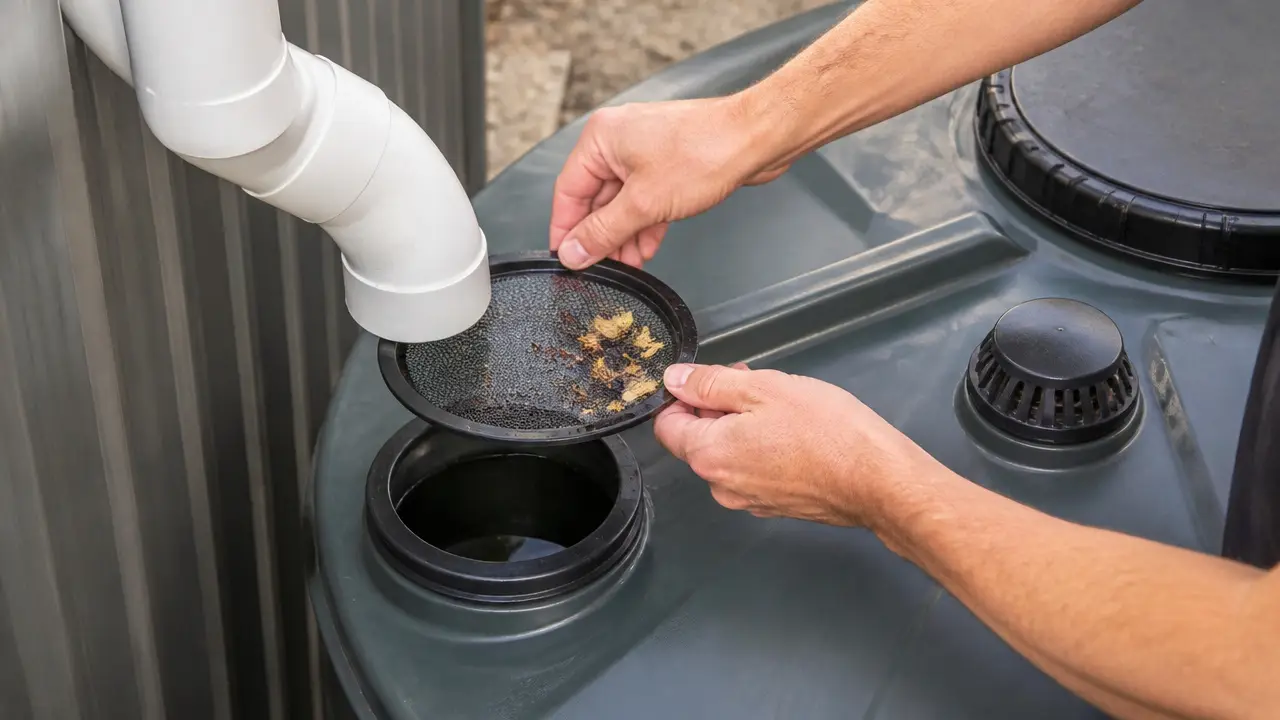
A filter can be useful when the water supply carries sand, rust, sediment, or other small particles.
This matters even more when watering with collected rainwater. Rainwater storage tanks can contain roof grit, organic debris, insects, or sediment unless the collection system includes suitable screening and filtration.
A filter used for irrigation protects the hose from debris. It should not be confused with drinking-water treatment.
Collected rainwater is not automatically safe to drink.
What If You Use Rainwater From a Barrel or Tank?
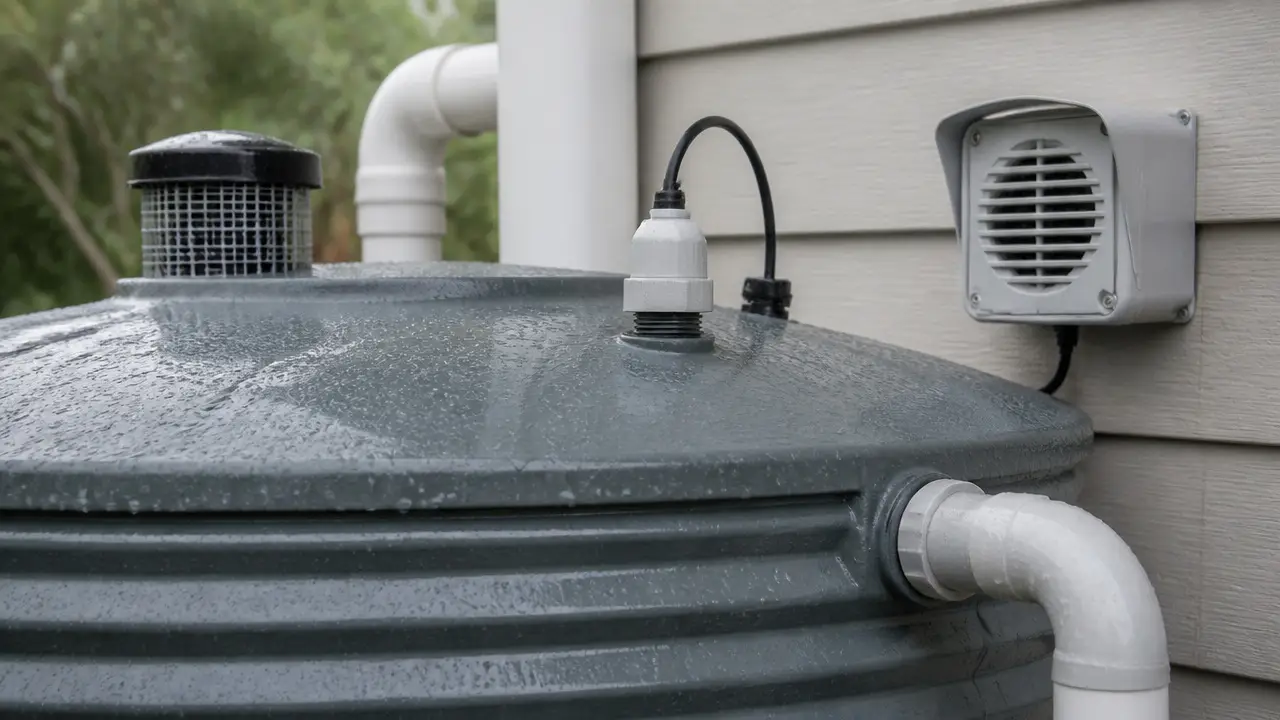
Soaker hoses can sometimes be used with rain barrels, IBC totes, and larger rainwater tanks, but pressure matters.
A tank that supplies water only by gravity may not create enough pressure for every soaker hose to work evenly.
Head height means the vertical distance between the water level in the tank and the hose. More height generally creates more gravity pressure.
Before planning a gravity-fed system, check whether your particular hose can operate at the available pressure. A hose designed for normal household water pressure may perform poorly from a low rain barrel.
If you add a pump, make sure its flow and pressure are suitable for the hose and any regulator in the system.
Should Landscape Fabric Go Above or Below the Hose?
If your bed contains water-permeable landscape fabric, the best arrangement depends on how easily water passes through it.
A common layout is:
soil → soaker hose → permeable fabric → mulch
Another option is to place the hose above the fabric if you need easier access.
Avoid putting a soaker hose above plastic sheeting or another waterproof barrier. Water may collect on the surface instead of reaching plant roots.
Remove or Protect the Hose Before Freezing Weather
Water left inside a hose can freeze and expand.
In climates with freezing winters, disconnect the hose according to the manufacturer's instructions and allow it to drain. Store removable hoses where they will not remain full of water.
Do not assume mulch alone will protect a water-filled hose from freezing.
The Best Setup for Most Garden Beds
For most vegetable gardens, flower beds, and shrubs, use this arrangement:
- Lay the soaker hose directly on the soil.
- Position it near the plants' root zones.
- Connect it to a suitable water supply.
- Run it and check for even watering.
- Fix leaks, kinks, or dry areas.
- Cover the hose loosely with mulch.
- Check soil moisture after watering and adjust the schedule as needed.
That gives you the water-saving benefits of mulch while keeping the hose close to the soil where it can do its job.
Frequently Asked Questions
Should a soaker hose go under mulch?
Yes. In most garden beds, place the soaker hose on top of the soil and cover it with mulch. This helps water reach the soil directly and reduces evaporation.
Can I bury a soaker hose in the ground?
It is usually better not to bury a standard soaker hose. Keeping it on the soil surface makes leaks, clogs, and other problems easier to find. Use products specifically designed for underground irrigation if you want a buried system.
Will mulch block water from a soaker hose?
Not when the hose is underneath the mulch. The water leaves the hose directly onto the soil. If the hose is on top, thick or very dry mulch may slow how quickly water reaches the soil.
How close should a soaker hose be to plants?
Place it close enough to wet the root zone without pressing it against stems or trunks. The best distance depends on the plant size and how water spreads through your soil.
How do I know how long to run a soaker hose?
There is no single correct time. Run the hose, then check the soil several inches down. Adjust the watering time based on soil type, weather, plant needs, and how quickly the soil dries.
Can a rain barrel run a soaker hose?
Sometimes. Gravity-fed rain barrels produce much less pressure than a typical household water line. Check the hose's pressure requirements and test whether water reaches the entire hose evenly.
Should I use a filter with a soaker hose?
A filter is helpful if your water contains sediment or debris that could clog the hose. It is especially useful with rainwater tanks and other non-potable irrigation supplies that may contain fine particles.