As an affiliate, we may earn a commission from qualifying purchases. We get commissions for purchases made through links on this website from Amazon and other third parties.
A carbon water filter often lasts about 3 to 6 months in normal household use, but that is only a planning range. The correct replacement point depends on the filter’s rated capacity, how much water you use, and what is in the water.
Some filters reach their gallon limit before six months. Others can last longer. For drinking-water treatment, follow the filter maker’s replacement schedule or rated gallon capacity rather than stretching the cartridge until the water tastes bad. CDC recommends maintaining and replacing household water filters according to the manufacturer’s instructions.
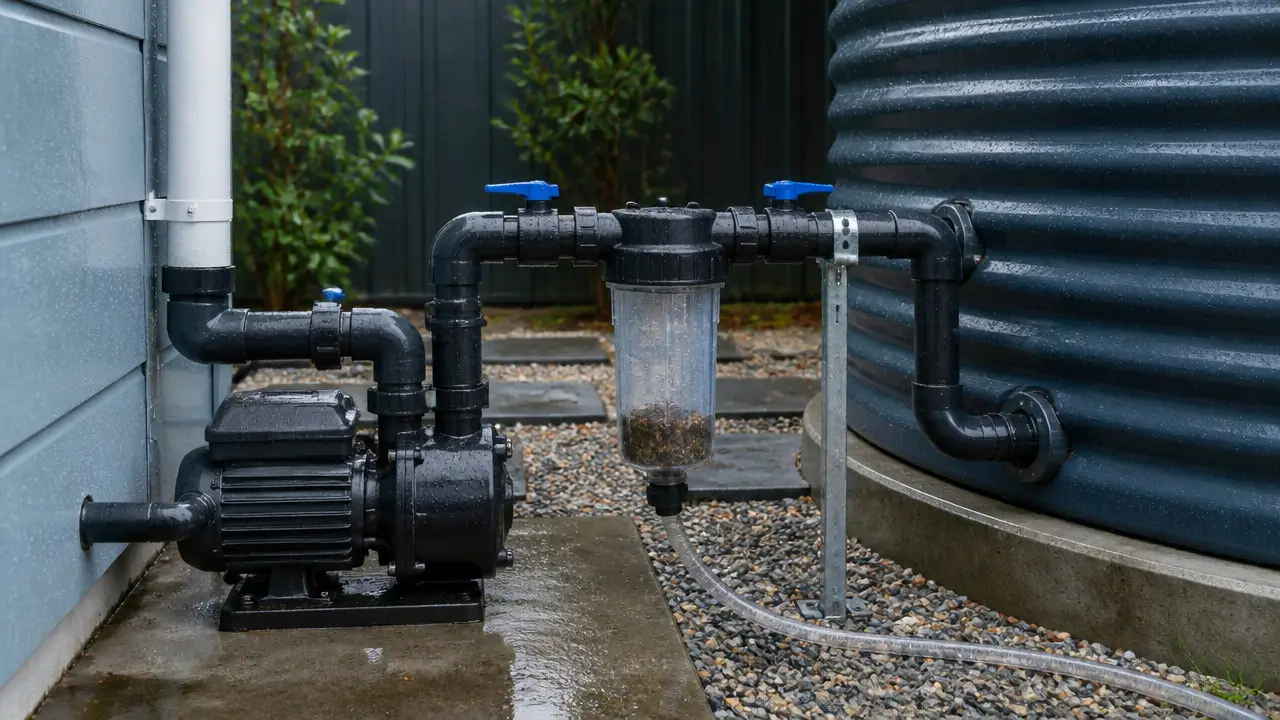
For a rainwater system, carbon usually works best after sediment has already been removed. Dirt, roof debris, and fine particles can clog carbon and shorten its useful life.
How Long Do Activated Carbon Filters Usually Last?
For common replaceable carbon cartridges, 3 to 6 months is a useful general range. North Dakota State University Extension gives three to six months as a general rule for high-volume activated-carbon filters, while noting that actual life depends on the situation.
A Pennsylvania drinking-water treatment guide similarly notes that activated-carbon cartridges often need replacement about every six months or after treating their specified amount of water.
The filter's actual capacity matters more than the calendar.
For example, two cartridges could both be installed on January 1. One might treat a small drinking-water faucet. The other might handle water for several fixtures. The second filter can reach its capacity much sooner.
NSF listings show why there is no universal gallon number. Certified carbon filtration systems can have service capacities ranging from a few hundred gallons to thousands of gallons, depending on the particular system and its intended use.
What Makes a Carbon Filter Wear Out?
Activated carbon works mainly through adsorption. That means certain substances in the water stick to the large internal surface area of the carbon.
As the available surface becomes occupied, the carbon loses its ability to remove those substances effectively. This point is sometimes called breakthrough.
The Connecticut Department of Public Health notes that granular activated carbon eventually becomes saturated. Replacement frequency can depend on filter size, household water use, contaminant levels, and overall water quality.
Several things can shorten filter life.
High Water Use
Every gallon passing through the cartridge uses some of its available capacity.
A filter serving one drinking-water faucet will normally process much less water than a whole-house filter.
Track gallons if the system has a meter or capacity indicator. Otherwise, keep a replacement date written on the housing or in a maintenance log.
Sediment
Sediment is especially important in rainwater systems.
Roof runoff can carry:
- Dust
- Pollen
- Small pieces of leaves
- Roofing particles
- Insect debris
- Fine dirt
These particles can block the pores in a carbon cartridge.
A sediment filter placed before the carbon stage can help keep this material out of the carbon. North Dakota State University specifically notes that sediment can clog activated carbon and that prefiltration can extend its useful life.
Good roof screening and a suitable first-flush setup can also reduce the amount of material reaching later treatment stages.
A first flush is a device or arrangement that diverts some of the first roof runoff from a storm. That first runoff may carry a heavier load of dirt and debris.
Contaminant Concentration
Carbon can fill faster when it has more material to adsorb.
That is why the same cartridge may last different amounts of time in two homes.
A carbon filter used mostly to reduce chlorine taste in treated municipal water may have a very different service life from carbon being used for a specific chemical problem in tested well water or rainwater.
Filter Size
More carbon usually gives the system more adsorption capacity, all else being equal.
A small faucet cartridge and a large tank of granular activated carbon should not be expected to have the same replacement schedule.
Large treatment vessels can sometimes operate much longer than small cartridges, but their service interval should be based on the system design and water testing rather than a generic calendar rule.
Flow Rate
Water needs enough contact time with the carbon for adsorption to occur.
Very high flow can reduce that contact time.
The allowed flow rate is the amount of water that can move through the filter during a set time, commonly shown in gallons per minute.
Do not assume that a larger pump means you can simply force more water through a carbon cartridge. Stay within the filter system's specified operating flow.
Should You Replace the Filter at Three Months or Six Months?
Start with these two limits:
- The manufacturer's time limit.
- The manufacturer's rated water capacity.
Replace the cartridge when the first limit is reached.
For example, suppose a filter is rated for a certain number of gallons or six months. If your household reaches the gallon limit after four months, change it at four months.
Do not continue using it for another two months just because the calendar limit has not arrived.
If there is no useful replacement guidance, a three-to-six-month interval is a reasonable general planning range for a household activated-carbon cartridge. Older university guidance has also recommended replacing activated carbon at least every few months when no manufacturer schedule is available rather than leaving it in service indefinitely.
Signs a Carbon Filter May Need Replacement
Do not depend only on visible signs. Carbon can lose treatment capacity without looking dirty.
Still, several changes can tell you something is wrong.
Taste or Odor Comes Back
Carbon is commonly used to reduce chlorine, unpleasant tastes, and odors.
If a problem that disappeared after installing the cartridge starts returning, the carbon may be nearing exhaustion.
NSF/ANSI 42 certification covers claims such as chlorine, taste, and odor reduction.
However, taste and smell cannot tell you whether drinking water is safe.
Many harmful contaminants cannot be detected by your senses.
Water Flow Drops
A major loss of flow can mean sediment or other material has clogged the cartridge.
This does not always mean the carbon itself has reached its chemical adsorption limit. It may simply mean the filter has become physically blocked.
Regarding key facts about the lifespan of a whole house water filtration system, assess service needs that influence lifecycle performance.
Either way, a cartridge that is past its specified operating condition should be serviced or replaced.
The Rated Gallon Capacity Has Been Reached
This is one of the most useful replacement signals.
If the filter manufacturer gives a capacity, keep track of approximate water use or use the filter's built-in indicator when available.
Do not assume a cartridge still works simply because the water looks normal.
The Replacement Date Has Passed
Carbon cartridges should not remain installed indefinitely just because the system is used lightly.
Filters can support microbial growth when they are not maintained correctly. CDC advises regular replacement and maintenance of home water filters for this reason.
Carbon Filters in Rainwater Harvesting Systems
Carbon can be useful in a rainwater system, but it needs to be placed in the right part of the treatment train.
A basic arrangement might look like:
Roof screening → first flush → storage → sediment filtration → carbon filtration → any additional treatment required for the intended use
The exact setup depends on what you plan to do with the water.
For garden irrigation, carbon may not be necessary at all.
For indoor non-potable uses, treatment requirements depend on the application and local plumbing rules.
For drinking, carbon is only one possible treatment stage.
CDC notes that pitcher and refrigerator filters commonly use activated carbon mainly to improve taste and smell. Carbon filtration should not be assumed to remove germs or every harmful chemical.
Collected rainwater is also not automatically safe to drink. Roof runoff can pick up contaminants from roofing materials, animals, debris, storage tanks, and plumbing.
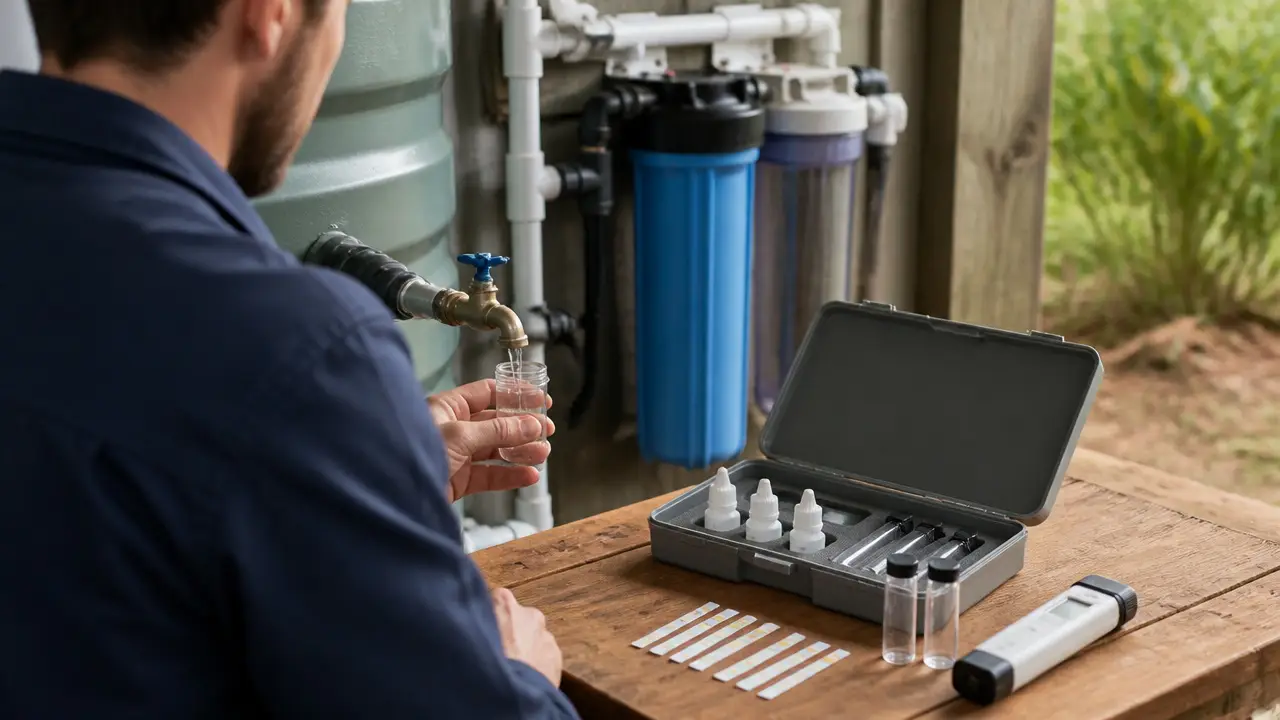
Drinking-water use needs a complete system designed for the source water and its risks. That can include suitable collection practices, prefiltration, treatment for identified contaminants, disinfection where needed, proper maintenance, and current laboratory testing.
Carbon Block vs. Granular Activated Carbon
The replacement principle is similar for both, but the filters are built differently.
Carbon Block
A carbon block compresses carbon into a solid cartridge.
Depending on the design, it may reduce certain particles as well as substances that adsorb onto the carbon.
Because the water travels through a dense structure, sediment can also cause a noticeable pressure or flow drop.
Granular Activated Carbon
Granular activated carbon, often called GAC, contains loose carbon granules.
GAC can be used in small cartridges or much larger treatment vessels.
Large GAC systems should not automatically follow the three-to-six-month rule used for many household cartridges. Their service life can vary widely. Testing or other system-specific monitoring may be needed when the carbon is being used to control a health-related contaminant.
Does a Carbon Filter Remove Everything?
No.
Activated carbon is useful for certain organic chemicals and for many taste and odor problems. A specific certified filter may also have additional contaminant-reduction claims.
But carbon does not remove every substance.
It also should not be treated as a general-purpose germ removal or disinfection stage.
When choosing a drinking-water filter, look at its specific certified reduction claims rather than simply seeing the words "activated carbon."
NSF explains that NSF/ANSI 42 generally covers aesthetic effects such as chlorine, taste, and odor. NSF/ANSI 53 covers certified reduction claims for contaminants with health effects. Certification still applies only to the contaminants listed for that particular system.
How to Help a Carbon Filter Last Longer
The goal is not to stretch the cartridge beyond its safe service life. The goal is to keep unnecessary material from reaching it.
For a rainwater system, good upstream maintenance can make a large difference.
Keep gutters and roof collection surfaces reasonably clean. Use suitable screens to keep large debris out. Maintain the first-flush system if one is installed.
Most importantly, use sediment filtration before carbon when the incoming water carries particles.
Also make sure the filter is correctly sized for the required flow. A small drinking-water cartridge is not a substitute for a properly sized whole-house treatment stage.
Keep a simple maintenance record that includes:
- Installation date
- Rated capacity
- Approximate water use
- Sediment-filter changes
- Carbon-filter changes
- Water-test dates when testing is part of the treatment plan
This makes it much easier to catch a cartridge that is being left in service too long.
Frequently Asked Questions
Can a carbon water filter last a year?
Some carbon systems may have service periods approaching or exceeding a year, but many household cartridges should not simply be left installed that long. Check the manufacturer's rated time and gallon capacity. Large granular-carbon systems follow different maintenance schedules from small cartridges.
Is six months too long for a carbon filter?
Not necessarily. Six months is a common service interval for some household activated-carbon cartridges. However, heavy water use, high sediment, or high contaminant levels can require earlier replacement.
What happens if you do not change a carbon filter?
The carbon can lose its ability to adsorb the substances it was meant to reduce. Sediment may also clog the cartridge and lower water flow. Poorly maintained filters can support microbial growth, so filters should be replaced according to their instructions.
Can I tell a carbon filter is exhausted by tasting the water?
Sometimes returning taste or odor can indicate that the carbon is exhausted. However, taste is not a reliable safety test. Harmful contaminants may be present without any noticeable taste, color, or smell.
Does a sediment filter make carbon last longer?
It often can. A sediment filter catches particles before they reach the carbon. This is especially useful with rainwater because roof runoff can contain dust and fine debris that would otherwise clog the carbon cartridge.
Does a carbon filter make rainwater safe to drink?
No. Carbon filtration alone does not establish that collected rainwater is potable, meaning safe for drinking. Drinking-water use requires a treatment approach matched to the source water, along with proper maintenance and appropriate laboratory testing.
Should I change a carbon filter by months or gallons?
Use both when both limits are provided. Replace the cartridge when either its rated gallon capacity or its maximum service time is reached, whichever comes first.