As an affiliate, we may earn a commission from qualifying purchases. We get commissions for purchases made through links on this website from Amazon and other third parties.
Plumbers use several leak-detection tools because no single method works for every type of leak. For hidden water-line leaks, they often combine pressure testing, electronic listening equipment, moisture meters, thermal cameras, and pipe-locating tools. Drain and sewer leaks may require inspection cameras, smoke testing, or dye testing instead.
The right method depends on where the pipe runs, whether it carries pressurized water or wastewater, and whether the leak is behind a wall, under a floor, underground, or inside a rainwater system.
Common Leak-Detection Tools Plumbers Use
Electronic Leak Detectors
Electronic acoustic leak detectors are commonly used to find leaks in pressurized water pipes.
Water escaping through a crack or loose fitting creates vibration and sound. The detector uses a sensitive microphone or sensor to make those sounds easier to hear.
A plumber may place the sensor on:
- Floors
- Walls
- Pipe fittings
- Valves
- Hydrants
- Concrete slabs
- Ground above buried pipes
These tools work best when the pipe is under pressure and the leaking water produces enough noise.
They can be useful for buried supply pipes, household plumbing, irrigation mains, and pressurized rainwater lines.
Ground Microphones
A ground microphone is a specialized acoustic detector used for underground pipes.
The plumber moves the sensor across the ground or floor and listens for the sound of escaping water. As the sensor gets closer to the leak, the sound may become stronger.
Pipe depth, soil type, pavement, water pressure, and nearby machinery can affect the results.
A ground microphone can narrow down the location of a leak, but excavation may still be needed to confirm the exact damaged section.
Leak Noise Correlators
Professional leak-detection companies sometimes use leak correlators on buried pipes.
Sensors are attached at two accessible points along a pipe. The equipment compares when the leak sound reaches each sensor. Using information about the pipe, the device estimates where the leak is located between them.
This method can be especially useful on long buried water lines where digging along the entire route would be impractical.
Accurate results depend on having good information about the pipe material, diameter, and route.
Pressure Testing
Pressure testing is one of the simplest ways to confirm that a pressurized plumbing system is losing water.
The plumber isolates part of the plumbing and watches whether pressure falls over time.
A pressure drop can indicate a leak, but it does not normally show exactly where the leak is.
Pressure testing is often used before more precise leak-location tools.
For example, a plumber might isolate:
- The house supply line.
- An irrigation branch.
- A rainwater pump line.
- A hot-water circuit.
- A particular plumbing zone.
Testing smaller sections helps narrow down where the problem is located.
Pressure tests should be performed within the safe pressure limits of the pipe, fittings, tanks, pumps, and appliances.
Moisture Meters
A moisture meter helps locate damp building materials.
Plumbers may use one on:
- Drywall
- Wood
- Floors
- Ceilings
- Cabinets
- Areas around plumbing fixtures
The meter can show where moisture levels are higher than surrounding areas.
This can help trace water from a hidden pipe leak, although moisture does not always appear directly beside the damaged pipe. Water can travel along framing, pipes, insulation, or flooring before becoming visible.
A moisture meter therefore provides clues rather than absolute proof of the leak location.
Thermal Imaging Cameras
Thermal cameras show differences in surface temperature.
Leaking water may cool or warm part of a wall, ceiling, or floor compared with nearby material. A plumber can scan the surface without immediately opening it.
Thermal imaging can be especially useful around:
- Hot-water pipes
- Radiant heating systems
- Wet ceilings
- Damp drywall
- Concrete floors
However, a thermal camera does not actually see water inside a wall. It detects temperature patterns.
Sunlight, insulation, heating systems, air leaks, and recently used plumbing can also create temperature differences. Plumbers often confirm thermal findings with moisture readings or other testing.
Pipe Inspection Cameras
A plumbing camera is usually used for drain and sewer pipes rather than pressurized water supply lines.
A small waterproof camera is pushed through the pipe on a flexible cable.
It can reveal problems such as:
- Cracked drain pipes
- Separated joints
- Root intrusion
- Corrosion
- Pipe deformation
- Blockages
- Open connections
The camera can show physical damage, although standing water, debris, or poor visibility can sometimes hide defects.
Some camera systems include a transmitter in the camera head. A locator above the ground can then help identify where that part of the pipe sits.
Tracer Gas Leak Detection
Some difficult leaks can be located with tracer gas.
The pipe is isolated and filled with a suitable test gas. Specialized equipment detects gas escaping through the leak and moving toward the surface.
Tracer gas can sometimes locate very small leaks that are difficult to hear.
It may be useful for:
- Buried pipes
- Pipes beneath floors
- Low-pressure systems
- Pipes where acoustic testing gives unclear results
This type of testing usually requires specialized equipment and should be performed by trained technicians.
Dye Testing
Dye testing is a much simpler method.
Check evidence needed to pinpoint a hidden water leak to evaluate installation planning for dependable ongoing service.
A visible tracing dye is added to water, and the plumber watches for colored water appearing somewhere it should not.
Dye testing can help identify leaks involving:
- Drains
- Toilets
- Roof drainage
- Stormwater systems
- Tanks
- Some rainwater plumbing
It works best when the possible leak path is accessible.
Dye should be chosen for the specific plumbing and water-use situation. Do not add chemicals or dyes to stored rainwater intended for household or drinking-water treatment unless they are suitable for that application and the system can be properly flushed afterward.
Smoke Testing
Smoke testing is commonly used to find leaks or improper connections in drain, sewer, and vent systems.
Non-toxic test smoke is introduced into the piping. If smoke comes out somewhere it should not, there may be a broken pipe, failed joint, bad seal, or incorrect connection.
Smoke testing is generally not used to locate ordinary leaks in pressurized drinking-water pipes.
Water Meter Testing
Sometimes the first leak-detection tool is already installed at the property.
A plumber may shut off known water uses and watch the water meter.
If the meter continues registering flow, there may be an active leak somewhere downstream.
This does not identify the exact location, but it can quickly show whether water is moving when it should not be.
The same idea can be used with some rainwater systems when a flow meter or pump controller provides usable flow information.
How Plumbers Find a Leak Behind a Wall
A plumber usually avoids opening a large section of wall immediately.
They may first:
- Check nearby fixtures and visible connections.
- Look for stains, swelling, or mold-related moisture.
- Use a moisture meter.
- Scan the wall with a thermal camera.
- Listen with acoustic equipment if the pipe is pressurized.
- Isolate and pressure-test the plumbing if necessary.
- Open the smallest practical section once the likely location is known.
Finding the wettest spot does not always mean the pipe is directly behind it. Water often travels before becoming visible.
How Plumbers Find Underground Water Leaks
Underground leaks can be harder because there may be no visible water at the surface.
A plumber or leak-detection technician may combine:
- Water-meter readings
- Pressure tests
- Pipe locating
- Ground microphones
- Acoustic correlators
- Tracer gas
- Targeted excavation
Knowing the pipe route helps greatly.
Different pipe materials also transmit leak noise differently. Metal pipes may carry sound farther than some plastic pipes, which can make acoustic location easier in certain systems.
Finding Leaks in Rainwater Systems
Rainwater systems can develop leaks in places that are different from normal household plumbing.
Common leak points include:
- Tank outlets
- Bulkhead fittings
- Threaded adapters
- Pump connections
- Flexible hose joints
- Underground distribution pipes
- Overflow fittings
- Filters
- Valves
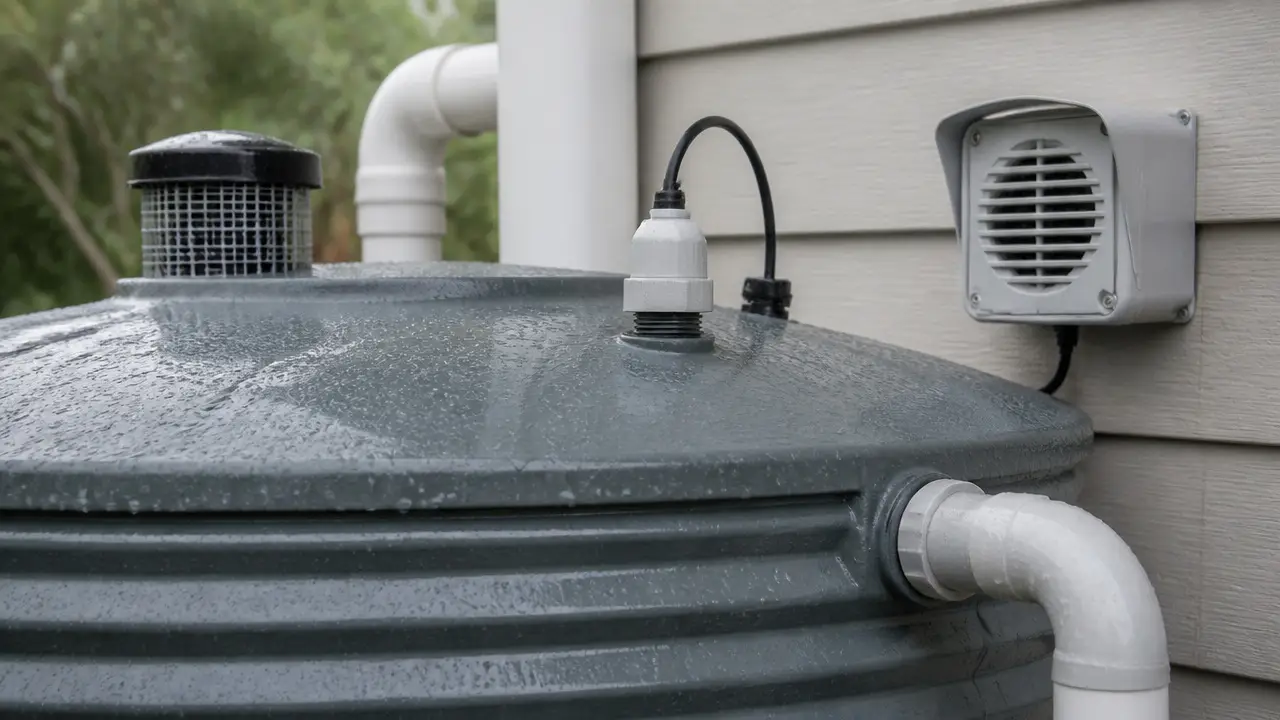
A bulkhead fitting is a fitting that passes through the wall of a tank while creating a sealed connection.
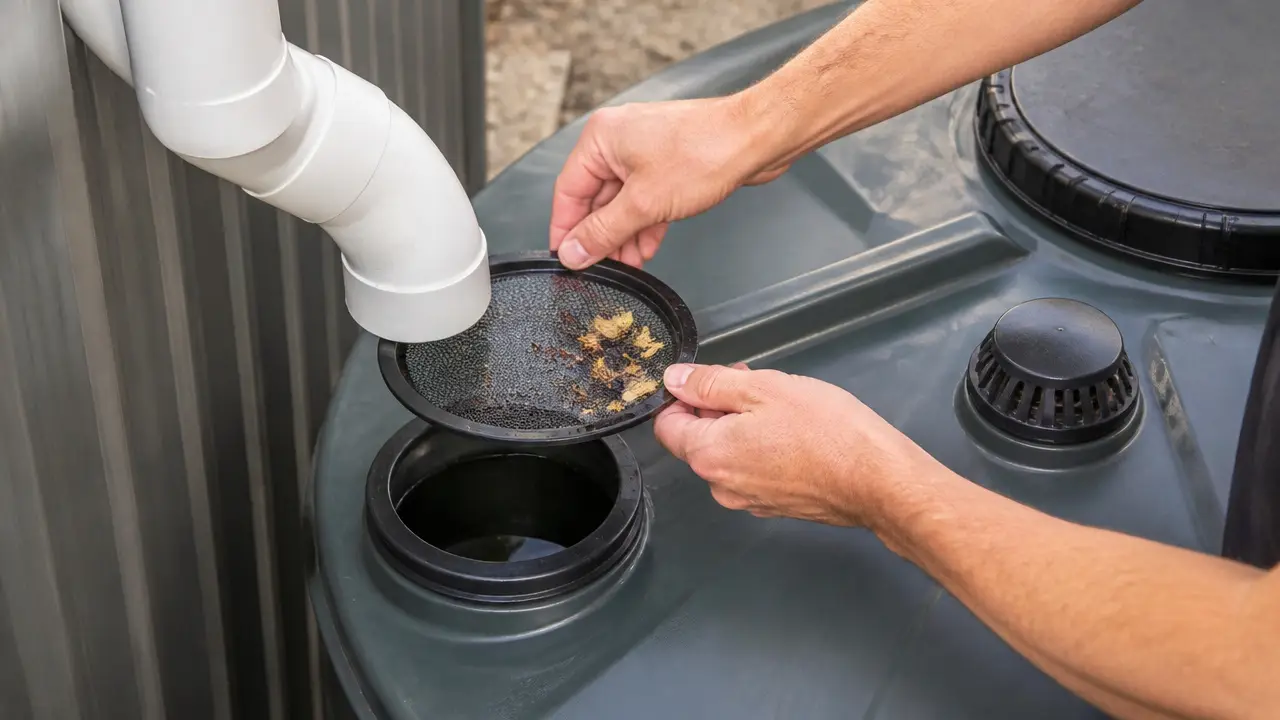
Before calling a specialist, inspect accessible rainwater connections while the system is operating. A slow leak around a fitting may leave staining, damp soil, mineral residue, or algae growth.
If the water level in a storage tank drops unexpectedly, first make sure the loss is not caused by normal water use, overflow, evaporation, or a pump running unexpectedly.
Underground or pressurized rainwater lines may require the same acoustic, pressure, or tracer-gas methods used on other plumbing systems.
Which Leak-Detection Method Is Best?
There is no universal best method.
| Type of problem | Common detection methods |
|---|---|
| Hidden pressurized pipe | Acoustic detector, pressure test, moisture meter |
| Pipe under concrete | Acoustic detection, thermal imaging, tracer gas |
| Underground supply pipe | Ground microphone, correlator, tracer gas |
| Leak behind drywall | Moisture meter, thermal camera, acoustic detector |
| Drain or sewer problem | Inspection camera, smoke test, dye test |
| Tank or rainwater fitting | Visual inspection, level monitoring, pressure testing where appropriate |
| Very small hidden leak | Tracer gas, sensitive acoustic testing |
Professional technicians often combine several methods before deciding where to open a wall, floor, or yard.
Can You Detect a Plumbing Leak Yourself?
Some basic checks are reasonable for homeowners.
You can look for:
- Unexpected water-meter movement
- Damp walls or ceilings
- Wet soil
- Dripping fittings
- Unexplained pump cycling
- Falling tank levels
- Musty areas
- Unusually high water use
You can also inspect accessible valves, hoses, filters, and tank connections.
Avoid opening walls, excavating near utilities, dismantling pressurized plumbing, or working around electrical equipment if the source is uncertain.
A qualified plumber or leak-detection technician is a better choice when the leak is buried, under a slab, inside a structural area, near electrical wiring, or difficult to isolate.
Frequently Asked Questions
What tool do plumbers use most often to find hidden leaks?
There is no single standard tool. Electronic acoustic detectors, moisture meters, thermal cameras, and pressure tests are all common. The plumber chooses the method based on where the pipe is and whether it is pressurized.
Can a thermal camera see a water leak through a wall?
Not directly. A thermal camera detects temperature differences on the surface. Wet material may create a different temperature pattern, which helps the plumber identify areas that need further testing.
How do plumbers find leaks under concrete?
They may use acoustic leak detectors, ground microphones, pressure testing, pipe locators, thermal imaging, or tracer gas. The goal is to narrow down the location before cutting concrete.
Can plumbers find a leak without breaking a wall?
Often they can narrow down the likely location before opening the wall. Moisture meters, thermal cameras, and acoustic equipment can reduce unnecessary damage. A small opening may still be needed to confirm and repair the leak.
How are underground plastic pipe leaks detected?
Plastic pipes can be more difficult to test acoustically because they may not transmit sound as far as metal pipes. Technicians may combine ground microphones, correlation equipment, pressure testing, pipe locating, or tracer gas.
Can a plumbing camera find a water-supply leak?
Usually not. Cameras are mainly used inside drains and sewer pipes. Pressurized water-supply lines are generally too small or unsuitable for internal camera inspection.
How can I tell if my rainwater tank or plumbing has a hidden leak?
Record the tank water level when no water should be entering or leaving the system. Check again after a suitable period. Also inspect tank fittings, filters, pump connections, valves, and buried-line areas. Unexpected pump cycling can also indicate a downstream leak, although other system faults can cause the same symptom.