As an affiliate, we may earn a commission from qualifying purchases. We get commissions for purchases made through links on this website from Amazon and other third parties.
Professional water leak detection for a home usually costs about $100 to $500, with many routine inspections landing near $300. The price can be higher when the leak is underground, under a concrete slab, behind finished walls, or difficult to reach. As of August 2026, current national cost guides place general professional leak detection in the $100–$500 range and slab leak detection around $150–$400.
That fee is usually for finding the leak, not repairing the pipe, wall, floor, or other damage.
Typical Leak Detection Costs
The type of problem has a large effect on the final bill.
| Type of service | Typical cost |
|---|---|
| Professional water leak detection | $100–$500 |
| General plumbing inspection | About $100–$500 |
| Slab leak detection | About $150–$400 |
| More complex plumbing inspection | Can exceed $500 |
| Emergency or after-hours visit | Usually costs more |
A general plumbing inspection averages around $300, although detailed inspections involving cameras or other testing can cost much more. Emergency visits can also add substantial service or trip fees.
These are national estimates. Labor rates, home construction, and the location of the leak can change the price significantly.
What Does Leak Detection Include?
Leak detection is the process of locating unwanted water loss without opening large sections of a building unless necessary.
A plumber may start with simple checks such as:
- Looking for stains, wet areas, or damaged finishes
- Checking exposed pipes and fixtures
- Watching the water meter while fixtures are off
- Checking water pressure
- Isolating sections of the plumbing system
For harder problems, a plumber or leak detection specialist may use equipment such as acoustic listening devices, moisture meters, thermal imaging, pressure tests, or inspection cameras.
The right method depends on where the water is going.
A leaking toilet is very different from a pipe buried under a concrete floor. Likewise, a leaking rainwater line between a cistern and a pump may require different testing from a pressurized household water line.
Why Some Leaks Cost More to Find
The pipe is hidden
A visible drip beneath a sink is usually easy to locate.
A pipe behind drywall, below flooring, underground, or beneath concrete takes more work. The technician may need to test several sections before finding the source.
The leak is under a concrete slab
A slab leak is a leak in plumbing located beneath or within a concrete foundation.
These leaks are harder to locate because the pipe cannot be inspected directly. Current national estimates put slab leak detection at roughly $150 to $400 before repair work begins.
The plumbing system is large
A small house with simple plumbing usually takes less time to inspect than a large house with several bathrooms, long pipe runs, irrigation connections, or separate water systems.
Rainwater systems can add another layer. A property might have a cistern, pump, filters, outdoor lines, automatic valves, and connections to irrigation equipment. Each section may need to be checked separately.
The technician needs special equipment
Some leaks cannot be located by sight alone.
Specialized testing may be needed when water is moving underground or behind finished surfaces. More equipment and more diagnostic time usually increase the cost.
The service is an emergency
An active leak at night, on a weekend, or during a holiday may involve emergency service charges. Emergency plumbing labor can be much more expensive than a scheduled daytime visit.
Leak Detection and Leak Repair Are Separate Costs
This is one of the most important points when comparing quotes.
A company might charge $200 or $300 to locate a hidden leak. That does not mean the entire plumbing problem will cost $200 or $300 to fix.
After finding the leak, additional work could include:
- Repairing or replacing pipe
- Opening and repairing drywall
- Removing flooring
- Cutting and restoring concrete
- Excavating soil
- Replacing damaged insulation
- Drying wet materials
- Repairing water damage
Pipe leak repairs alone can range widely because access and damage vary so much. Current national estimates run from roughly $150 for simple situations to several thousand dollars for difficult repairs.
Ask whether the quoted detection fee includes any repair work or is strictly diagnostic.
Can You Check for a Leak Before Calling a Plumber?
Alongside common sources of household water leaks, evaluate upkeep requirements that affect future reliability.
You can safely perform a few basic checks before paying for professional detection.
Start by turning off faucets, showers, washing machines, irrigation, and other water-using equipment. Check whether the water meter continues to show use.
Also inspect accessible areas around:
- Toilets
- Faucets
- Water heaters
- Washing machines
- Dishwashers
- Exposed pipes
- Outdoor faucets
- Irrigation connections
Look for dripping water, damp materials, staining, unusually soft drywall, or unexplained wet ground.
These checks may tell you that a leak exists. They may not tell you exactly where a concealed pipe is leaking.
Avoid cutting walls, floors, or concrete just to search for a suspected leak. Accurate detection can prevent unnecessary demolition.
What About Rainwater Harvesting Systems?
Leak detection in a rainwater system can sometimes be simpler because much of the plumbing may be accessible.
Before calling a professional, check obvious points such as:
- Tank outlets
- Bulkhead fittings
- Valves
- Pump connections
- Filter housings
- Hose fittings
- Irrigation lines
- Overflow connections
- Underground supply pipes
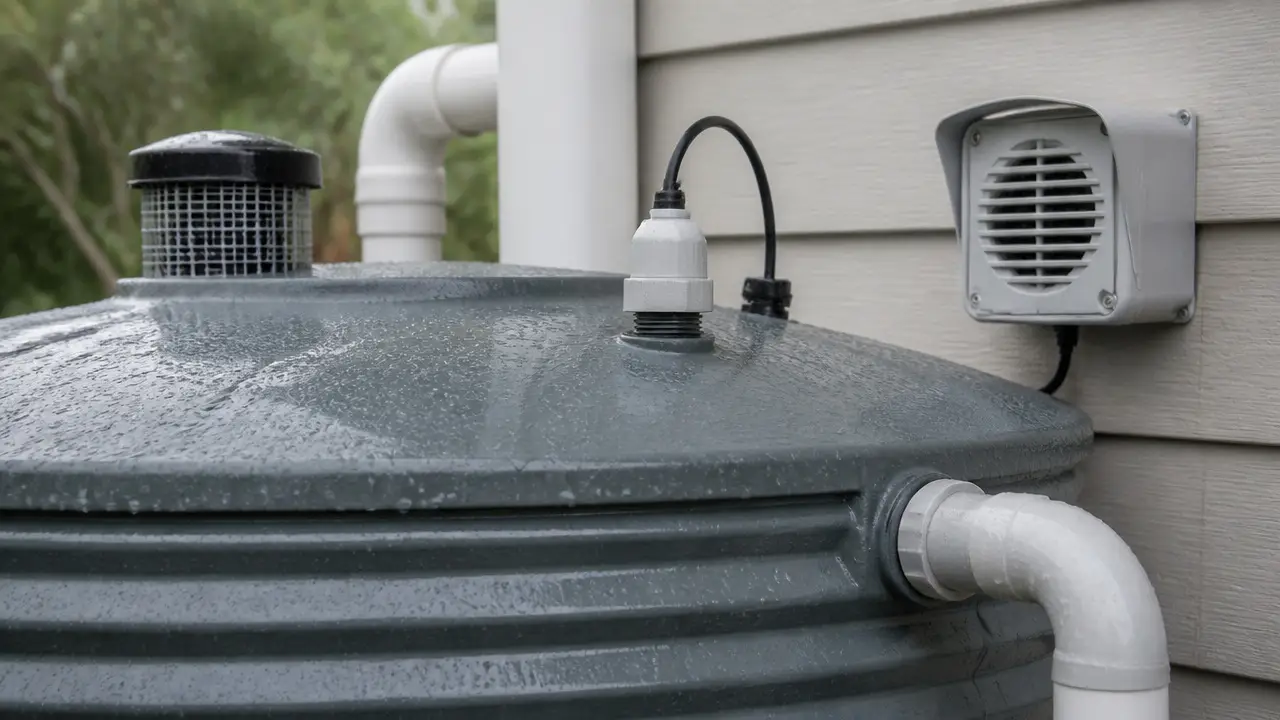
A bulkhead fitting is a watertight fitting that passes through the wall of a tank. A loose seal or damaged gasket around this fitting can allow stored water to escape.
Also separate actual leaks from normal water losses. Water may leave a rainwater system through overflow, irrigation use, tank cleaning, or evaporation from poorly covered storage.
If the system has a pump, shutoff controls, buried pipes, electrical equipment, or connections to household plumbing, professional diagnosis may be safer and more reliable.
When Is Professional Leak Detection Worth Paying For?
Professional detection makes sense when:
- Your water meter shows unexplained use
- Your water bill suddenly rises
- You hear water running when everything is off
- A wall or ceiling repeatedly becomes damp
- Water appears through a concrete floor
- An underground line may be leaking
- A rainwater pump keeps cycling when no water is being used
- You know there is a leak but cannot find its location
The goal is not simply to confirm that water is being lost. It is to narrow down the location before unnecessary walls, floors, landscaping, or concrete are removed.
What to Ask Before Hiring a Leak Detection Service
Before scheduling the work, ask what the quoted price covers.
Useful questions include:
- Is the fee only for locating the leak?
- Is there a service-call charge?
- What testing methods may be used?
- Does the price change if the leak is underground or beneath concrete?
- Will I receive the suspected leak location in writing?
- Can the same company perform the repair?
- Is any part of the diagnostic fee credited toward the repair?
Knowing this ahead of time makes competing quotes much easier to compare.
Frequently Asked Questions
What is the average cost of professional leak detection?
Most residential water leak detection services cost about $100 to $500. A straightforward inspection may be near the lower end, while hidden or difficult leaks can cost more.
How much does it cost to detect a slab leak?
Slab leak detection commonly costs about $150 to $400. Repairing the pipe beneath the slab is normally a separate and potentially much larger expense.
Does a leak detection fee include repairs?
Not usually. Many companies charge separately for diagnosis and repair. Always ask what is included before approving the work.
Why does leak detection sometimes cost more than $500?
Complex plumbing, large homes, difficult access, repeated testing, underground pipes, specialized equipment, and emergency service can all raise the price.
Can a plumber find a hidden water leak?
Yes. Plumbers can often locate leaks using inspection, pressure testing, moisture measurements, acoustic equipment, cameras, or other diagnostic methods. Some difficult leaks are handled by specialists who focus mainly on leak detection.
Can I find a water leak myself?
You can check your water meter and inspect accessible plumbing for obvious signs of leakage. Hidden leaks behind walls, underground, or beneath concrete often require professional equipment to locate accurately.
How can I tell if my rainwater system has a leak?
Check the tank level, tank fittings, valves, pump connections, filter housings, visible pipes, and irrigation lines. Unexpected pump cycling can also point to a leaking pressurized line or valve. Make sure the water loss is not simply from normal use or overflow before assuming the tank itself is leaking.