As an affiliate, we may earn a commission from qualifying purchases. We get commissions for purchases made through links on this website from Amazon and other third parties.
For most homes, cleaning rain gutters takes about 1 to 3 hours. A small, single-story house with light debris may take less than an hour. A larger house, clogged downspouts, or difficult roof access can turn the job into a half-day project.
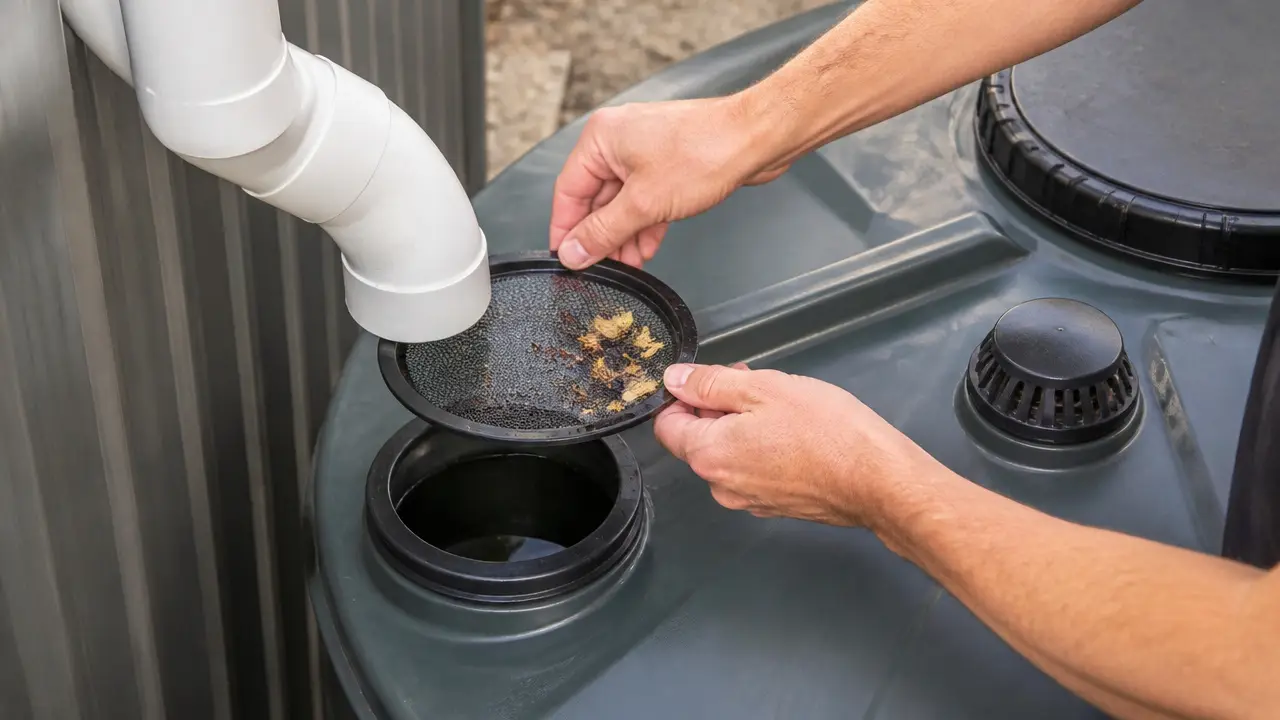
If your gutters feed a rain barrel or cistern, allow extra time to clean screens, downspout filters, and other parts that keep roof debris out of your stored water.
How Long Does Gutter Cleaning Usually Take?
The time depends mainly on the size of the house and how much material is in the gutters.
| Gutter condition | Typical cleaning time |
|---|---|
| Small home with light leaves | 30–60 minutes |
| Average single-story home | 1–2 hours |
| Larger or two-story home | 2–4 hours |
| Heavy buildup or clogged downspouts | Several hours or longer |
These are rough planning times, not guarantees. Access can make a bigger difference than the amount of debris.
A short gutter run that is easy to reach may be cleaned quickly. The same length of gutter high above uneven ground may take much longer because the ladder must be moved and set up carefully many times.
What Makes Gutter Cleaning Take Longer?
Several conditions can add time to the job.
Heavy leaves and roof debris
Loose leaves are usually easy to remove. Wet leaves, pine needles, seed pods, roof grit, and partly decomposed material can form a dense layer that must be scooped out.
Plants growing in a gutter are a sign that soil-like material has built up over time. That usually takes longer to remove.
Clogged downspouts
Cleaning the horizontal gutter is only part of the job.
Water also needs a clear path through the downspout. A blockage near an elbow or outlet can take extra time to locate and clear.
For a rainwater harvesting system, this matters even more. A partly blocked downspout can reduce the amount of water reaching your storage tank and may cause water to overflow in places you did not expect.
House size
A house with more roof edges simply has more gutter to clean.
Garages, porches, additions, and complex roof shapes can also create several separate gutter runs instead of one simple loop around the house.
Gutter guards
Gutter guards can reduce the amount of large debris entering some systems, but they do not eliminate cleaning.
Leaves may collect on top. Fine material can pass through certain guards. Some designs also need to be removed or opened before the gutter underneath can be cleaned.
That can add time.
Difficult access
Second-story gutters, steep slopes, landscaping, fences, soft soil, and uneven ground can make ladder placement difficult.
Do not rush because you are trying to meet a time estimate. Safe access matters more than finishing quickly.
If a section cannot be reached safely from a properly positioned ladder, consider hiring a qualified gutter-cleaning professional rather than climbing onto a steep or wet roof.
How Long Does It Take to Clean Gutters for a Rainwater Collection System?
Plan on a little more time than you would for ordinary household gutters.
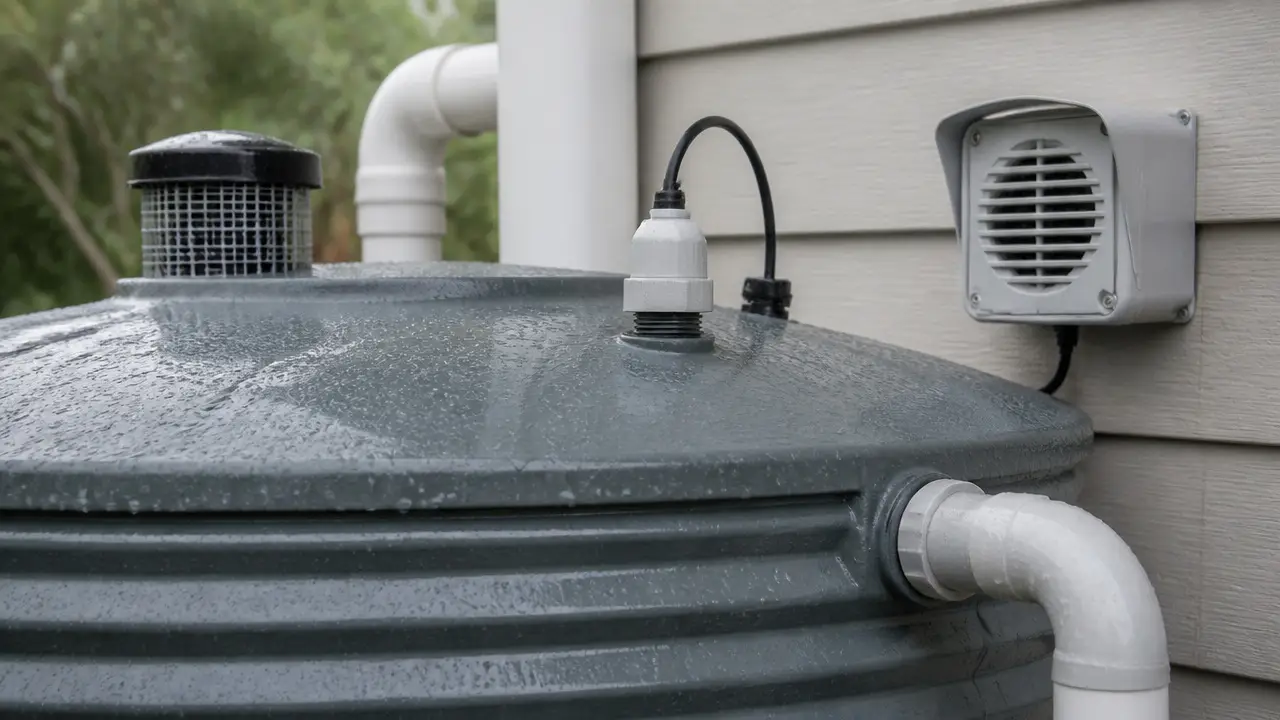
The collection path may include:
- Roof gutters
- Downspouts
- Leaf screens
- Downspout strainers
- First-flush devices
- Tank inlet screens
- Overflow screens
A first-flush device diverts some of the initial roof runoff before water enters storage. That early runoff can carry dirt, leaves, bird droppings, and other material from the roof.
Cleaning the gutter but leaving a clogged screen or first-flush device can still restrict the system.
The goal is not only to make the gutter look clean. Water should be able to move freely from the roof to its intended discharge point or storage system.
A Practical Gutter-Cleaning Order
A simple cleaning sequence helps prevent doing the same work twice.
1. Check the area before setting up
Look for power lines, unstable ground, slippery surfaces, damaged gutters, insects, and other hazards before using a ladder.
Avoid working during rain, strong wind, or conditions that make the ladder or roof surface slippery.
2. Remove large debris
Remove leaves, twigs, and other loose material first.
Work in manageable sections rather than stretching sideways from a ladder. Move the ladder when needed.
3. Remove fine buildup
After the large material is gone, remove remaining sediment and roof grit.
This step is especially useful for gutters connected to rainwater storage because fine debris can otherwise move farther into the collection system.
4. Check gutter outlets and downspouts
Make sure each outlet is open.
A gutter may look clean while the outlet underneath the debris is still partly blocked.
5. Check rainwater-system screens
Account for collecting gutter runoff for storage to evaluate the catchment surface’s effect on usable collection volume.
If the downspout feeds storage, inspect accessible leaf screens, inlet screens, and first-flush components according to their design.
A dirty screen can greatly restrict flow during a heavy rain.
6. Check water flow
Where it can be done safely, a controlled amount of water can help reveal drainage problems.
Water should move toward the outlet without large areas remaining trapped in the gutter.
Persistent standing water may indicate a sagging gutter or poor slope rather than a cleaning problem.
Should You Flush Gutters With a Hose?
A hose can be useful after loose debris has been removed, but it should not replace physical cleaning when the gutter contains a large amount of material.
Sending a gutter full of leaves and sediment into a downspout can simply move the clog somewhere harder to reach.
If your downspout connects directly to a rain barrel, IBC tote, or cistern, consider where the rinse water will go before flushing. You generally do not want a large load of cleaning debris washed directly into storage.
An IBC tote is a large rigid container commonly used for bulk liquid storage. If one is repurposed for rainwater, its previous contents and suitability for the intended water use also need to be considered.
How Often Should Rain Gutters Be Cleaned?
There is no single schedule that works for every property.
Many homes need inspection at least a few times during the year, with cleaning when debris begins to accumulate. Homes surrounded by trees may need attention much more often during leaf, seed, or needle drop.
Rainwater harvesting systems may benefit from more frequent checks because gutter debris affects both water movement and the amount of unwanted material entering storage.
Useful times to inspect include:
- Before a wet season
- After major leaf fall
- After storms that drop twigs or leaves
- When water starts overflowing the gutter
- When a rainwater tank is filling more slowly than expected
You do not necessarily need a full cleaning every time. Sometimes an inspection shows that only a screen or outlet needs attention.
Signs Your Gutters Need Cleaning
Do not rely only on the calendar.
Check the gutters if you notice water spilling over their edges during rain. Other warning signs include visible plant growth, debris sticking above the gutter, sagging sections, water stains, or unusually weak flow from a downspout.
For rainwater collection systems, also watch for reduced tank inflow or water backing up around a leaf screen.
Overflow does not always mean the gutter is dirty. A gutter or downspout may also be too small for the flow it receives, improperly sloped, damaged, or poorly connected.
Does Gutter Cleaning Improve Rainwater Quality?
It can reduce the amount of leaves, sediment, and organic material that enters the collection system, but clean gutters do not make collected rainwater safe to drink.
Roof runoff can contain microorganisms, animal waste, roofing contaminants, airborne pollution, and other substances that cannot be removed by simply cleaning the gutter.
For non-potable uses such as some garden irrigation, the treatment needs may be fairly simple depending on the system and local requirements.
Potable means water intended to be safe for drinking. Using roof-collected rainwater as potable water requires a much more careful whole-system approach. That can include suitable collection surfaces, debris control, prefiltration, appropriate treatment, current laboratory testing, maintenance, and compliance with applicable local requirements.
A clean gutter is an important starting point. It is not a complete water-treatment system.
When Gutter Cleaning Should Be Left to a Professional
DIY gutter cleaning makes the most sense when the gutters are safely accessible from stable ground using appropriate equipment.
Professional help is a better choice when the job involves high gutters, steep or slippery roofs, unstable ladder locations, nearby electrical hazards, significant gutter damage, or access that requires you to take risks.
Also consider professional inspection if gutters repeatedly hold standing water or overflow even after cleaning. The problem may involve gutter slope, attachment, drainage capacity, or damaged components rather than debris alone.
Frequently Asked Questions
Can gutters be cleaned in 30 minutes?
A small, easily accessible gutter system with only light debris may take about 30 minutes. Most complete household gutter-cleaning jobs take longer, especially when downspouts and rainwater-system screens also need inspection.
How long does it take to clean gutters on a two-story house?
A two-story house may take roughly 2 to 4 hours or more. The actual time depends heavily on safe ladder access, gutter length, debris buildup, and downspout blockages.
How often should gutters connected to a rain barrel be cleaned?
Check them often enough to prevent visible debris from building up, especially during leaf and seed drop and before rainy periods. Also inspect screens and downspout fittings because these may clog before the gutter itself appears full.
Can I pressure-wash my gutters?
High-pressure washing is usually unnecessary for routine cleaning and can create splash, damage, or difficult working conditions. Removing debris manually and using controlled water flow where appropriate is generally easier to manage.
Why are my gutters overflowing after I cleaned them?
The downspout may still be blocked. Other possibilities include poor gutter slope, a sagging section, an undersized drainage path, or unusually heavy rainfall. Check safely accessible parts first and get professional help if the cause requires roof access or gutter repair.
Should I clean gutters before the rainy season?
Yes. Cleaning or at least inspecting them before a period of frequent rain can help make sure water can reach the downspouts and, where used, the rainwater storage system.
Does clean rainwater from a clean gutter need filtration?
A clean gutter reduces debris but does not remove all possible contaminants from roof runoff. Treatment needs depend on the intended use. Drinking-water use requires a much more complete treatment, testing, and maintenance plan than typical non-potable uses.