As an affiliate, we may earn a commission from qualifying purchases. We get commissions for purchases made through links on this website from Amazon and other third parties.
The biggest downside of reverse osmosis (RO) water treatment is water waste. An RO system does not turn all incoming water into treated water. It separates the incoming water into two streams: purified water and a more concentrated reject-water stream that usually goes to a drain.
For a typical point-of-use system, such as an RO unit under a kitchen sink, that difference can be large. The U.S. Environmental Protection Agency (EPA) says a typical point-of-use RO system may produce 5 gallons or more of reject water for every 1 gallon of treated water. Some inefficient systems can waste even more. Newer, water-efficient designs can reduce this considerably.
RO also has other drawbacks. It needs regular filter and membrane maintenance, removes dissolved minerals along with unwanted contaminants, and may be unnecessary when a simpler treatment method can solve the actual water-quality problem.
Why Reverse Osmosis Wastes Water
Reverse osmosis works by forcing water through a very fine membrane. Water molecules pass through, while many dissolved substances are held back.
Those rejected substances have to go somewhere. A portion of the incoming water carries them away from the membrane. This concentrated stream is commonly called reject water, concentrate, or sometimes wastewater.
The amount of treated water compared with the amount entering the system is its recovery rate. A system with better recovery produces more usable water from the same amount of incoming water.
For example, imagine an RO unit receiving 6 gallons of water:
- 1 gallon becomes treated drinking water.
- 5 gallons leave as reject water.
That would be a relatively inefficient system. Other RO units can perform much better.
EPA's WaterSense program now sets efficiency requirements for qualifying point-of-use RO systems. WaterSense-labeled systems must send no more than 2.3 gallons of water to the drain for each gallon of treated water produced.
This makes efficiency an important specification to check rather than assuming every RO system wastes the same amount.
Is Water Waste Always the Biggest Problem?
For many homes, yes, especially when an RO system is installed where water conservation matters.
But the importance of the drawback depends on how much RO water you use.
A small under-sink system used only for drinking and cooking may process relatively little water. A larger system supplying many fixtures can create much more reject water.
RO may also be a poor match when water supply is limited. This can matter with:
- Stored rainwater
- Cistern systems
- Wells with limited yield
- Cabins with small storage tanks
- Areas with water-use restrictions
If you collected 500 gallons of rainwater, for example, you would usually want to know how much of that stored supply a treatment system would consume before selecting RO.
That does not mean RO is unsuitable for stored water. It means recovery rate and the entire treatment plan matter.
RO Also Removes Dissolved Minerals
Another commonly mentioned downside is that RO removes many dissolved minerals from water.
The CDC notes that reverse osmosis may reduce substances including calcium, magnesium, potassium, sodium, fluoride, nitrate, and several other dissolved constituents.
This happens because RO is designed to reduce total dissolved solids, or TDS. TDS is the combined amount of dissolved substances in water, such as salts and minerals.
Removing dissolved minerals is not automatically bad. In some water supplies, reducing particular dissolved substances is exactly why RO is installed.
The important point is that RO does not distinguish between something simply because you consider it desirable or undesirable. The membrane reduces substances according to its treatment characteristics.
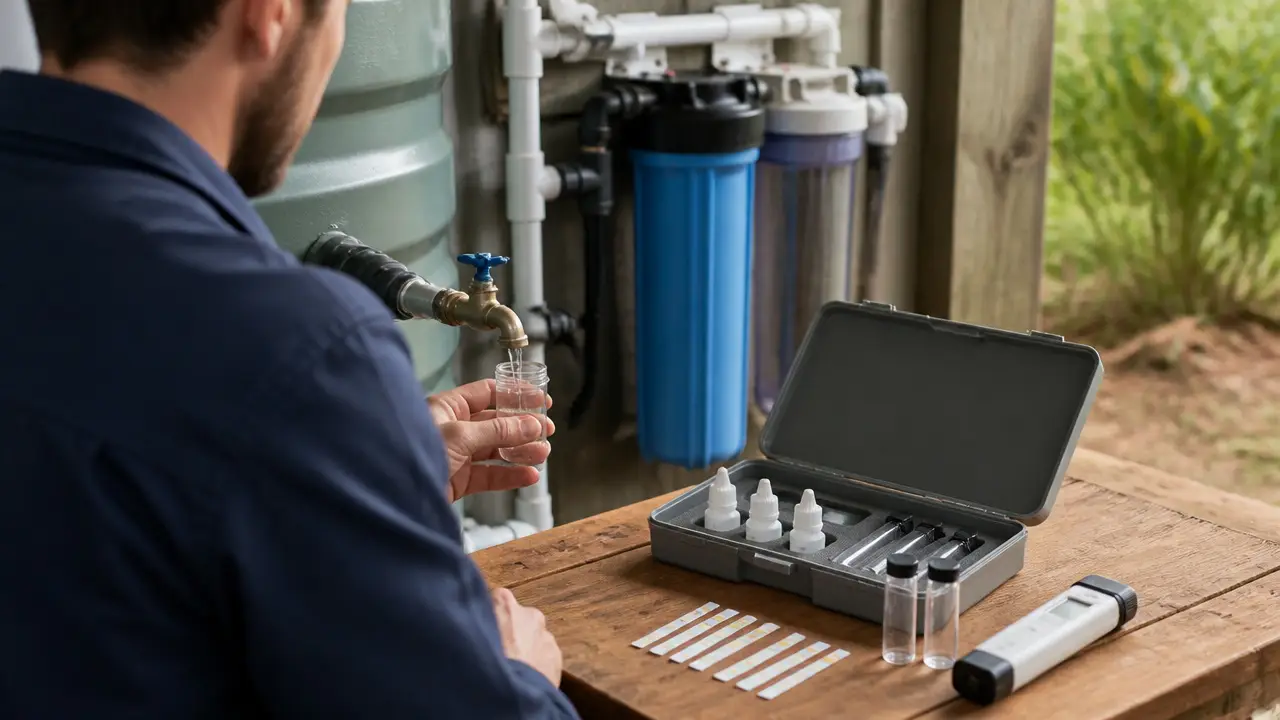
For drinking water, do not choose a system based only on whether it produces a very low TDS reading. A TDS meter does not tell you whether water is microbiologically safe or whether individual harmful contaminants are absent.
Maintenance Is Another Important Drawback
RO is not a maintenance-free treatment method.
A typical household system can contain several parts, including:
- Sediment prefilters
- Carbon filters
- An RO membrane
- A storage tank
- An automatic shutoff valve
- Post-treatment filters
- Tubing, fittings, and a dedicated faucet
Filters and membranes have to be replaced according to the system's requirements and actual water conditions. The equipment should also be kept sanitary.
Poor incoming water quality can shorten filter or membrane life. Sediment, hardness, iron, biological growth, or other water-quality problems may require treatment before the RO membrane.
Maintenance is especially important when the water is intended for drinking.
RO Does Not Remove Every Contaminant Equally
Another drawback is the assumption that an RO system is a universal purifier.
RO can reduce a wide range of contaminants, but the exact reduction claims depend on the system. The CDC recommends checking the label for the specific substances a system removes.
NSF/ANSI 58 is a standard used for point-of-use reverse osmosis drinking-water treatment systems. It covers TDS reduction and allows certification for specific additional contaminant-reduction claims. Those claims can include substances such as lead, nitrate, arsenic, fluoride, chromium, and others, depending on the particular certified system.
This distinction matters. A system being an "RO system" does not mean every model has been verified for every possible contaminant.
The better approach is to identify the water-quality problem first and then choose treatment certified or otherwise appropriately validated for that problem.
Do You Need Reverse Osmosis at All?
With practical considerations for there anything better than reverse osmosis water, you can verify how the decision supports the whole collection process.
Sometimes the biggest disadvantage of RO is simply that it is more treatment than you need.
EPA specifically notes that RO should not automatically be used for every home. In some cases, filtration methods that use little or no reject water may be enough to address the household's treatment needs.
Treatment should start with the intended use and the actual water quality.
For example, a homeowner trying to remove sediment from rainwater going to a garden irrigation system would normally have very different treatment needs from someone treating water for drinking.
Likewise, a household dealing with one known contaminant may have another treatment option that addresses that contaminant without producing an RO reject stream.
More treatment is not automatically better treatment.
What About Reverse Osmosis for Rainwater?
RO can be one part of a rainwater treatment system, but it should not be treated as a shortcut that makes collected roof runoff safe to drink.
Roof runoff can pick up material from roofing surfaces, gutters, dust, animals, insects, leaves, and storage tanks. Water quality can also change during storage.
For non-potable uses such as irrigation, toilet flushing, or some cleaning uses, RO may be unnecessary.
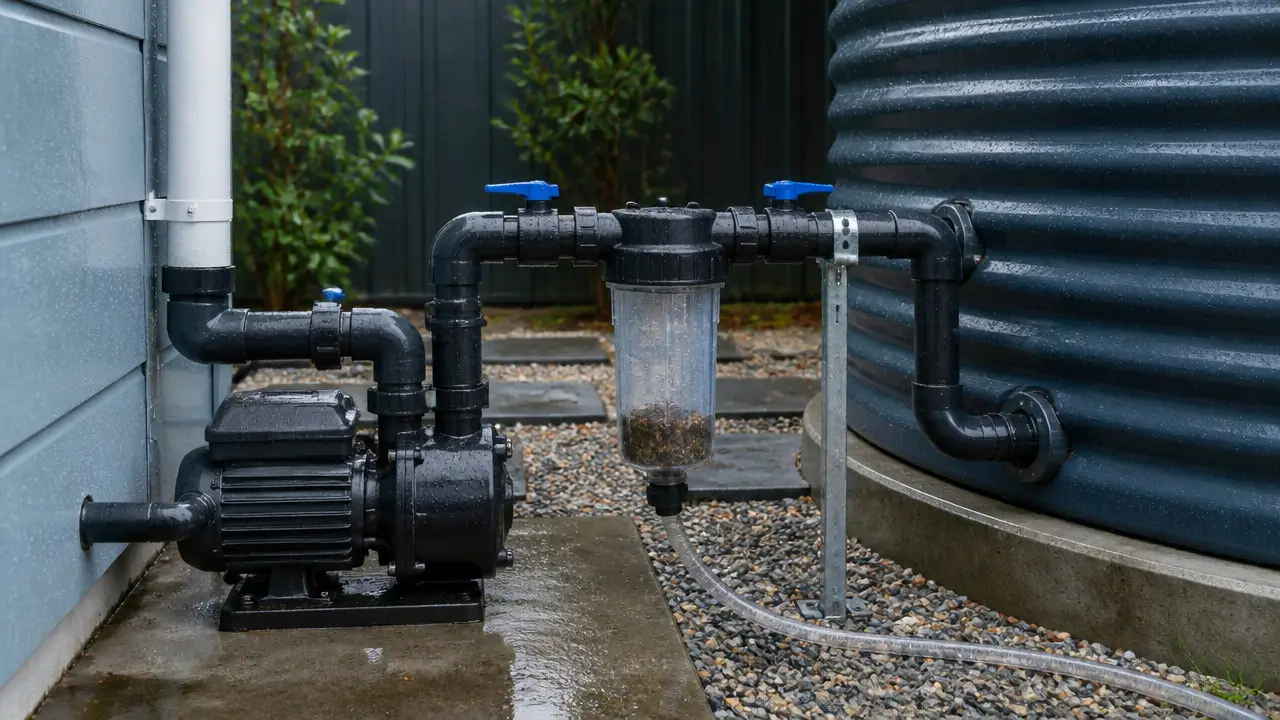
For potable water—meaning water intended for drinking or food preparation—the decision needs to consider the whole system. That can include suitable collection surfaces, debris control, first-flush management where appropriate, storage hygiene, prefiltration, treatment, disinfection, ongoing maintenance, current laboratory testing, and local requirements.
A first flush device diverts some of the first runoff from a rainfall event so that accumulated roof debris is less likely to enter storage.
Do not rely on an RO unit, a TDS meter, or any single filter as proof that collected rainwater is safe to drink.
When Reverse Osmosis Makes Sense
The drawbacks of RO can be worthwhile when testing identifies substances that RO is well suited to reduce.
RO is especially useful when dissolved contaminants are the problem rather than just visible sediment or taste.
Before selecting a system, consider:
- What is actually in the source water?
- What will the treated water be used for?
- Which contaminants does the specific system claim to reduce?
- Has that reduction claim been independently certified where applicable?
- How much reject water does the unit produce?
- Is incoming pressure adequate?
- What prefiltration does it require?
- How often must filters and membranes be serviced?
- Where will the reject water go?
For point-of-use drinking-water systems, NSF/ANSI 58 certification can help verify specific RO performance claims rather than relying only on marketing language.
How to Reduce the Downsides of RO
If RO is appropriate for your water, several choices can make the system more practical.
Start by comparing efficiency or recovery, not just treatment capacity. A more efficient membrane system can greatly reduce the amount of water sent to the drain.
Make sure the system also matches your incoming water conditions. Poor pressure or water outside the manufacturer's operating requirements can affect performance.
Keep up with filter and membrane changes. Ignoring maintenance can reduce output, increase waste, and compromise treatment performance.
Finally, use RO only where it is needed. Treating drinking and cooking water at one kitchen faucet may make more sense than treating all household water when the contaminants of concern only need to be controlled at the point of consumption.
Frequently Asked Questions
What is the biggest disadvantage of reverse osmosis water?
The biggest practical disadvantage is usually water waste. Many RO systems send part of the incoming water to the drain while producing treated water. The amount varies greatly by system, so checking its efficiency or recovery rate is important.
How much water does reverse osmosis waste?
EPA says a typical point-of-use RO system can produce 5 gallons or more of reject water for every gallon of treated water. More efficient systems use substantially less. WaterSense-labeled point-of-use systems must limit reject water to 2.3 gallons or less for each gallon of treated water produced.
Does reverse osmosis remove healthy minerals?
RO reduces many dissolved substances, including minerals such as calcium and magnesium. Whether that matters for your situation depends on your source water, diet, treatment goal, and any professional health advice that applies to you. Low TDS by itself should not be treated as proof of better or safer drinking water.
Is reverse osmosis water safe to drink?
An appropriately selected and maintained RO system can be part of drinking-water treatment, but safety depends on the source water, contaminants present, system performance, installation, and maintenance. For private wells or collected rainwater, water testing and a complete treatment plan are important.
Is RO necessary for rainwater harvesting?
Usually not for basic non-potable uses such as garden irrigation. Drinking-water use is different. If collected rainwater is intended for drinking, treatment must be planned as a complete system rather than relying on RO alone.
Is a low TDS reading proof that RO water is safe?
No. TDS means total dissolved solids. A TDS meter estimates the amount of dissolved material in water but does not identify individual contaminants or establish that water is free from harmful microorganisms.
Should I choose RO just because it removes more contaminants?
Not necessarily. Choose treatment according to the contaminants present and the intended use of the water. If a simpler treatment method solves the actual problem, it may use less water and require less equipment.