As an affiliate, we may earn a commission from qualifying purchases. We get commissions for purchases made through links on this website from Amazon and other third parties.
Reverse osmosis (RO) water is not generally unhealthy to drink when it comes from a properly designed and maintained drinking-water system. RO removes many unwanted dissolved substances, but it also removes much of the calcium, magnesium, and other minerals naturally found in water.
That mineral loss does not automatically make the water harmful. Most essential minerals come from food rather than drinking water. The bigger questions are whether the incoming water is suitable for treatment, whether the RO system removes the contaminants that matter, whether the system is maintained correctly, and whether the finished water stays safe before it reaches your glass.
What Reverse Osmosis Does to Water
Reverse osmosis uses water pressure to push water through a very fine, semi-permeable membrane. Water molecules pass through while many dissolved substances are rejected.
RO can reduce a wide range of contaminants and dissolved substances. Depending on the membrane and complete system, these can include:
- Sodium and other dissolved salts
- Calcium and magnesium
- Lead and some other metals
- Nitrate
- Arsenic
- Fluoride
- Some PFAS
- Many other dissolved inorganic and organic contaminants
The EPA describes RO as a proven membrane technology capable of removing a broad range of contaminants. However, its performance depends on the contaminant, membrane, system design, and operating conditions.
Because the membrane removes useful minerals along with unwanted substances, RO water normally has a much lower total dissolved solids, or TDS, level than the water entering the system.
TDS is simply a measure of dissolved material in the water. A low TDS reading does not by itself prove that water is safe to drink.
Does RO Water Remove Too Many Minerals?
RO systems do remove minerals such as calcium and magnesium. That is one reason people sometimes worry about drinking RO water every day.
For most people eating a normal diet, however, drinking water is not the main source of these nutrients.
WHO guidance notes that drinking water generally supplies only a small portion of a person's essential mineral intake, while most comes from food. At the same time, WHO recognizes that desalinated or highly demineralized water requires careful management because its chemistry differs from ordinary drinking water.
So the useful distinction is this:
Low mineral content does not automatically make RO water unhealthy, but mineral content is one part of overall drinking-water quality.
If you depend heavily on water for a particular mineral because of your diet or a medical condition, that becomes a nutrition question to discuss with a qualified healthcare professional.
Do You Need to Remineralize RO Water?
Not necessarily.
Many people drink properly treated RO water without adding minerals back. Remineralization is often used for other reasons.
Better taste
Very low-mineral water can taste flat to some people. Adding some calcium or magnesium can change the taste and mouthfeel.
Water chemistry
RO can change water chemistry and may lower pH under some conditions. EPA notes that RO-treated water may require post-treatment for corrosion control in some systems.
This matters more when treated water travels through plumbing or storage equipment rather than going directly from a small under-sink RO unit to a dedicated drinking faucet.
System design
Large household, cabin, or rainwater treatment systems may intentionally include a post-treatment stage that adjusts water chemistry. That should be designed around actual water-test results rather than adding minerals simply because the TDS number looks low.
A remineralization cartridge is therefore optional in many household systems. It should not be viewed as something that makes otherwise unsafe water safe.
Is Very Low-TDS Water Dangerous?
A very low TDS reading alone does not tell you enough to answer that question.
TDS meters measure how well water conducts electricity and use that information to estimate the amount of dissolved material present. They cannot tell you exactly what those dissolved substances are.
For example, two samples could have similar TDS readings while containing very different substances.
A TDS meter cannot reliably tell you whether water contains harmful levels of:
- Disease-causing microorganisms
- Individual metals
- Nitrate
- PFAS
- Pesticides
- Many other specific contaminants
It also cannot certify water as potable.
Potable means suitable for drinking according to the applicable health requirements.
Use TDS as an operating clue, not as a drinking-water safety test.
RO Water Is Not Automatically Safe Water
This is especially important when an RO system treats well water, stored water, or collected rainwater.
Installing an RO membrane does not make every source of water safe to drink.
A complete drinking-water system must account for the hazards present in the source water. WHO's current drinking-water guidance takes a whole-system approach, managing risks from the water source through treatment, storage, and delivery to the consumer.
With roof-collected rainwater, for example, possible contamination can come from:
- Bird and animal droppings
- Roof debris
- Microorganisms
- Metals or chemicals from roofing materials
- Airborne pollutants
- Dirty gutters
- Contaminated storage tanks
- Plumbing and treatment equipment
An RO membrane may be one useful treatment stage, but it should not be treated as a complete rainwater-to-drinking-water solution.
Drinking-water use normally calls for suitable collection materials, debris control, appropriate prefiltration and treatment, protected storage, routine maintenance, and current laboratory testing based on the hazards that may be present. Local drinking-water and plumbing requirements also apply.
What Can Make RO Water Unhealthy?
The RO process itself is usually not the main problem. Poor system selection or maintenance is more likely to create trouble.
An old membrane or filter
RO systems commonly include sediment and carbon prefilters as well as the RO membrane. These parts have limited service lives.
Waiting too long to replace them can reduce treatment performance and cause fouling or other problems.
Understanding practical considerations for there a better system than reverse osmosis helps assess service needs that influence lifecycle performance.
Follow the manufacturer's replacement and sanitation instructions rather than using appearance or taste alone to decide when maintenance is needed.
Bacterial growth after treatment
Once water passes through treatment, it still needs to stay clean.
Storage tanks, tubing, faucets, and other downstream parts can become contaminated. Removing dissolved substances does not prevent later microbial growth if the system is poorly maintained.
Using the wrong RO system for the contaminant
No treatment method should be chosen simply because it is called "reverse osmosis."
Different systems are certified or designed for different contaminant reductions. EPA recommends choosing treatment based on the contaminants actually present and notes that additional treatment may be necessary depending on incoming water quality.
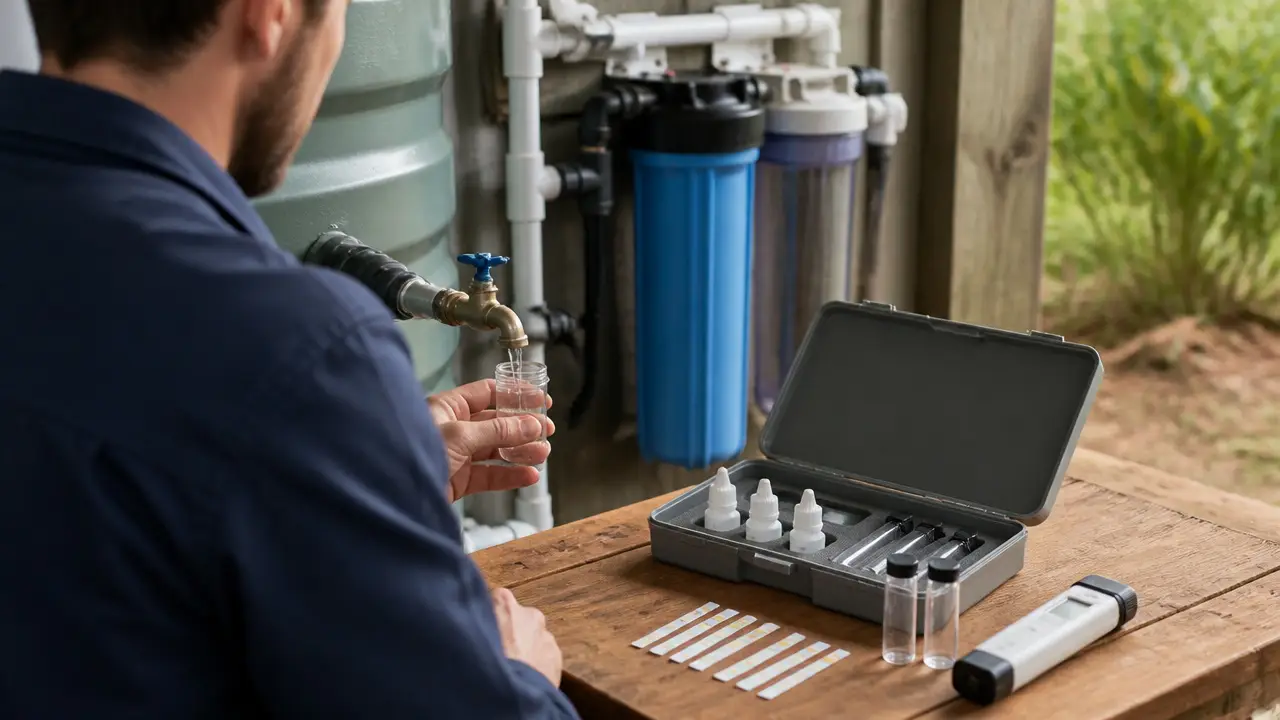
Testing the untreated water first is especially important for private wells and other non-municipal sources.
Poor plumbing compatibility
Highly treated water can behave differently from mineral-rich water. Water chemistry, plumbing materials, and contact time may matter, particularly in larger systems.
If RO water will travel throughout a house rather than through a dedicated drinking faucet, corrosion control and plumbing compatibility deserve more attention.
Assuming clear water means safe water
Many harmful contaminants have no obvious color, smell, or taste.
RO water that looks perfectly clear can still have a problem if treatment has failed or contamination occurred downstream.
Is RO Water Better Than Tap Water?
Not automatically.
If your tap water already meets drinking-water requirements, an RO system may be unnecessary unless you want to address a particular contaminant, taste issue, or water-quality concern.
EPA specifically notes that RO is not necessary for every household and that simpler treatment methods can sometimes address the problem while wasting less water.
RO also produces a reject-water stream. Some incoming water carries the removed contaminants away rather than becoming drinking water.
The better question is:
What is in your water that you need to remove?
Water testing can help answer that question. Once you know the problem, you can choose treatment that actually addresses it.
What About RO Water From a Rainwater System?
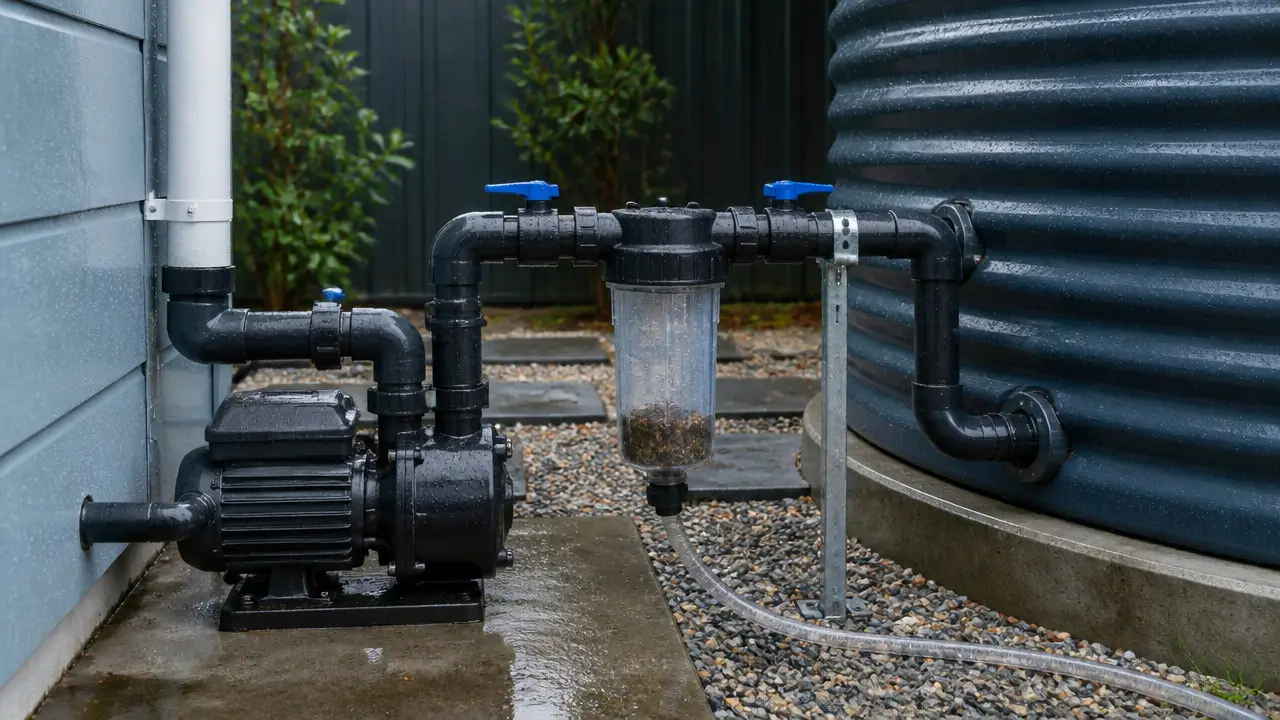
RO can be part of a rainwater treatment system, but potable rainwater requires more planning than installing an RO unit.
Roof runoff can contain both microorganisms and chemical contaminants. Water quality can also change after storms, during storage, or when maintenance is neglected.
A drinking-water system may therefore need several stages, such as source protection, debris removal, appropriate prefiltration, treatment selected for identified hazards, and protected finished-water storage.
The exact treatment train should be based on the water source and current laboratory testing.
Do not assume that an RO membrane, UV unit, carbon filter, home test strip, or TDS meter by itself proves rainwater is safe to drink.
For a household drinking-water installation, particularly one using collected rainwater, a qualified water-treatment professional or local health authority can help determine suitable treatment and testing requirements.
The Bottom Line
Drinking properly treated reverse osmosis water is not generally considered unhealthy simply because most of its minerals have been removed.
Most people obtain the majority of their calcium, magnesium, and other essential minerals from food rather than water. Remineralization can improve taste or help manage water chemistry, but it is not automatically required for every RO system.
What matters more is the complete water system.
Know your source water. Test for the contaminants that matter. Choose treatment designed for those contaminants. Maintain the filters and membrane. Keep the treated side of the system clean. And if RO is being used to produce drinking water from rainwater, a private well, or another non-municipal source, do not rely on RO alone as proof that the finished water is potable.
Frequently Asked Questions
Can you drink reverse osmosis water every day?
Yes. Properly treated and safely handled RO water can be used as everyday drinking water. Removing most dissolved minerals does not by itself make the water unhealthy. The source water, treatment performance, maintenance, and finished-water quality are more important.
Does RO water cause mineral deficiency?
RO removes calcium, magnesium, and other minerals from water, but most essential minerals normally come from food. Drinking RO water does not automatically cause a mineral deficiency. People with specific nutritional or medical needs should discuss them with a healthcare professional.
Should I add minerals back to RO water?
You do not necessarily need to. Remineralization may improve taste or adjust water chemistry. Whether it makes sense depends on the water source, plumbing, treatment system, and intended use.
Is zero-TDS water safe to drink?
A very low or near-zero TDS reading does not prove that water is either safe or unsafe. A TDS meter only estimates dissolved material. It does not provide a complete test for microorganisms or individual chemical contaminants.
Does reverse osmosis remove bacteria and viruses?
RO membranes can provide strong reduction of microorganisms when the system is designed and operating correctly, but treatment performance depends on the equipment and operating conditions. Contamination can also occur after the membrane. Do not assume an RO unit alone makes an untreated water source microbiologically safe.
Can reverse osmosis make rainwater safe to drink?
RO can be one part of a drinking-water treatment system for rainwater, but it should not be treated as a complete solution by itself. Potable rainwater requires suitable collection, treatment based on the hazards present, proper storage, maintenance, current laboratory testing, and compliance with applicable local requirements.
Is remineralized RO water healthier than regular RO water?
Not necessarily. Remineralization adds some dissolved minerals and can improve taste or water chemistry, but it does not automatically make the water healthier. Overall water safety and a balanced diet matter more.