As an affiliate, we may earn a commission from qualifying purchases. We get commissions for purchases made through links on this website from Amazon and other third parties.
For most homes, fiberglass batts are the cheapest insulation that can still work very well when they fit the space correctly. For open attic floors, awkward spaces, or retrofit work, blown-in cellulose is often the better low-cost choice because it fills gaps more evenly.
The important part is installation. Cheap insulation with gaps, compression, or air leaks can perform worse than a slightly more expensive material installed correctly. The U.S. Department of Energy recommends treating insulation and air sealing as parts of the same thermal envelope.
The Cheapest Effective Insulation by Location
There is no single cheapest insulation for every part of a house.
| Area | Good Budget Choice | Why It Makes Sense |
|---|---|---|
| Open stud walls | Fiberglass batts | Inexpensive and easy to fit between standard studs |
| Open attic floor | Blown cellulose or fiberglass | Quickly covers large areas and fills around framing |
| Existing enclosed walls | Blown or dense-packed cellulose | Can fill wall cavities without removing all the drywall |
| Floor joists | Fiberglass batts | Simple and inexpensive where joists are accessible |
| Irregular attic spaces | Blown cellulose | Fills around pipes, wires, and uneven framing |
| Small cracks and penetrations | Appropriate air-sealing foam or caulk | Stops air movement before insulation is added |
| Foundation or exterior walls | Often rigid insulation | More expensive, but better suited to moisture and continuous-insulation needs |
The Department of Energy describes fiber insulation in open wall cavities as one of the least expensive approaches to wall insulation. Fiberglass batts are the most common version.
Fiberglass Batts Are Usually the Cheapest Starting Point
Fiberglass batts are the familiar rolls or rectangular pieces of fluffy insulation placed between studs and joists.
They are popular because they are relatively inexpensive, widely available, and suitable for basic DIY installation in accessible areas. ENERGY STAR lists batt and roll insulation as suitable for unfinished walls, floors, and ceilings.
Fiberglass makes the most sense when:
- The wall or ceiling framing is already exposed.
- Stud or joist spacing is fairly regular.
- There are not many pipes, wires, or odd-shaped spaces.
- You can install each piece without crushing it.
- You can eliminate air leaks separately.
Its main weakness is that fiberglass does not stop air movement by itself. Air can still move through and around the material when the building assembly has gaps.
That means a cheap batt installation can lose much of its advantage if pieces are cut poorly or gaps are left around electrical boxes and framing.
Blown-In Cellulose Can Be a Better Bargain in an Attic
For a large attic, blown cellulose is often one of the most effective budget options.
Cellulose is loose insulation, commonly made from processed fiber. A blowing machine spreads it across the attic floor.
Unlike a rigid batt, loose-fill material can settle around:
- Ceiling joists
- Pipes
- Electrical wiring
- Small framing spaces
- Other obstacles
That makes it useful in old houses and irregular attics where neatly fitting hundreds of fiberglass pieces would be difficult.
ENERGY STAR notes that blown fiberglass and cellulose are commonly used on attic floors and describes both as inexpensive options.
Loose-fill insulation is also useful when existing insulation is already present. In many cases, additional loose fill can be installed over existing attic insulation after moisture problems and air leaks have been addressed.
Cellulose is not an air barrier
Cellulose can slow some air movement, especially when installed densely, but it should not be treated as a replacement for proper air sealing.
Seal the major leaks first. Then add the insulation.
Air Sealing May Matter as Much as the Insulation
If you want the most improvement for a limited budget, do not look at insulation alone.
Imagine putting on a thick winter jacket but leaving the zipper open. More insulation does not solve the open gap.
Homes have similar gaps around:
- Plumbing penetrations
- Wiring penetrations
- Attic hatches
- Wall top plates
- Dropped soffits
- Duct openings
- Some chimney and flue assemblies
- Gaps between framing materials
ENERGY STAR recommends sealing attic and basement air leaks as part of an insulation upgrade and notes that sealing and insulating can be among the most cost-effective ways to improve comfort and efficiency.
Do not simply fill every opening with ordinary spray foam. Flues, chimneys, heat-producing equipment, and some electrical components require appropriate clearances and materials.
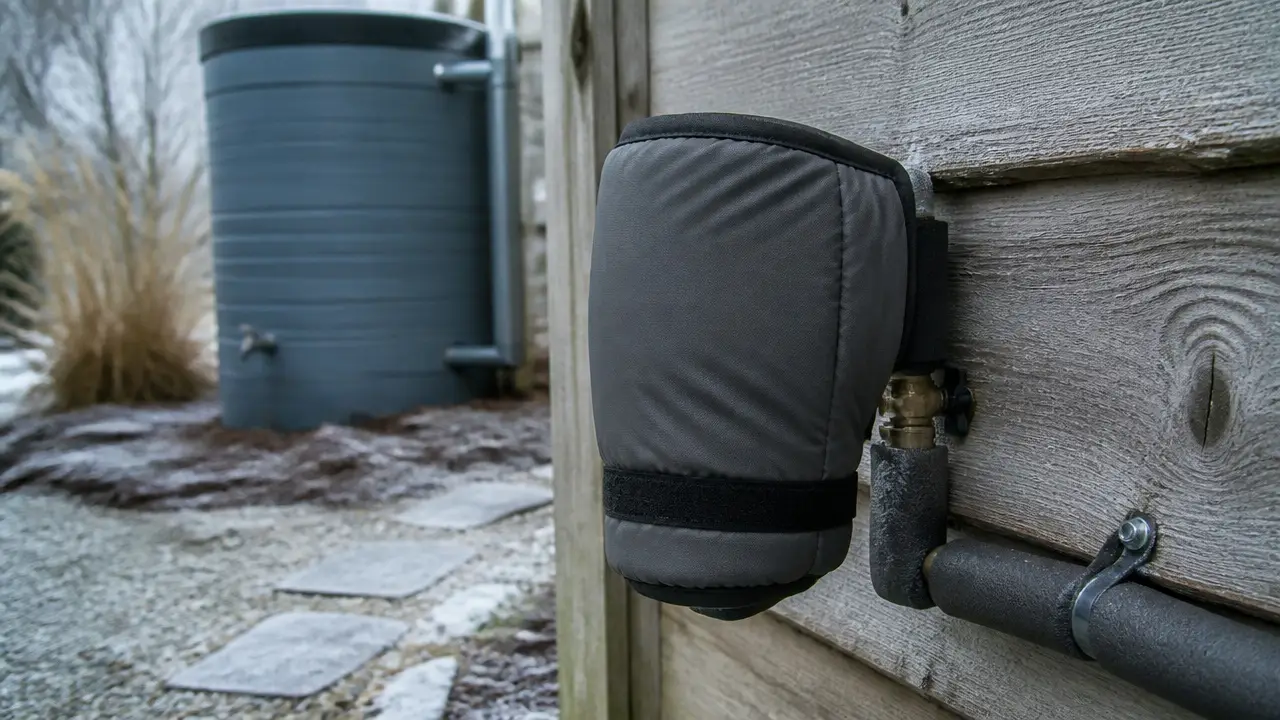
The practical guide “How to Properly Insulate Outdoor Pipes?” clarifies how to protect exposed components without creating a safety problem.
Compare R-Value, Not Just Insulation Thickness
Insulation is rated by R-value.
R-value measures resistance to heat flowing through a material. A higher number means greater resistance to heat flow.
For example, two insulation materials can have the same thickness but different R-values. Or one installation may simply be thicker to reach the same total R-value.
The required or recommended amount depends on factors such as:
- Your climate
- Whether you are insulating an attic, wall, floor, or foundation
- Available cavity depth
- The rest of the building assembly
- Local energy and building requirements
Do not choose insulation simply because the package has the lowest price.
A better comparison is:
How much will it cost to reach the needed R-value over the entire area?
That comparison can make blown cellulose more attractive in an attic while fiberglass batts remain attractive for open wall cavities.
Installation Quality Can Change the Result
Fiberglass works well only when it fills the intended cavity.
Avoid:
- Compressing thick insulation into a shallow space
- Leaving gaps along studs
- Stuffing scraps around pipes
- Allowing insulation to sag away from the surface it should contact
- Leaving large air leaks underneath it
Cut batts carefully around wires, plumbing, and other obstacles instead of pushing everything into one compressed layer.
Loose-fill insulation also needs reasonably even depth. Thin areas can become weak spots in the thermal envelope.
The Department of Energy notes that insulation performance is strongly affected by installation quality.
When Spray Foam Is Worth the Extra Cost
Spray polyurethane foam can provide high insulation performance while also controlling air leakage when properly designed and installed.
But it generally is not the cheapest solution when you have plenty of space for conventional insulation.
It makes more sense when:
- Space for insulation is limited.
- The assembly has complicated air-sealing needs.
- A particular roof or wall design calls for it.
- Conventional batts cannot provide the required performance in the available depth.
For a simple open attic floor, covering thousands of square feet with spray foam may be unnecessary when inexpensive loose-fill insulation can do the required insulation job.
Understanding choosing insulation for outdoor water lines helps assess thread size and material compatibility before purchase.
Spray foam installation also has additional chemical-handling, ventilation, and safety requirements. The Department of Energy recommends appropriate protective measures and notes that professional installation may be appropriate.
Small amounts of suitable foam can still be useful for targeted air sealing before less expensive insulation is installed.
What About Rigid Foam Board?
Rigid insulation boards can provide useful insulation where batts are not a good fit.
Common applications include:
- Foundation walls
- Basement walls
- Exterior continuous insulation
- Roof assemblies
- Attic access panels
- Areas where thermal bridging must be reduced
A thermal bridge is a path through the building, such as framing, that allows heat to bypass cavity insulation more easily.
Rigid insulation can cover framing continuously and reduce this effect.
However, rigid board generally costs more than basic fiberglass or loose-fill fiber insulation. The Department of Energy identifies rigid foam as typically more expensive than batts and loose-fill insulation but useful in applications where its properties are needed.
So it is usually not the answer when the only goal is finding the cheapest material.
The practical answer in “Should I Insulate My Water Pipes?” connects insulation and heat control to reliable winter operation.
Mineral Wool Is Good, but Usually Not the Budget Winner
Mineral wool, sometimes called rock wool, is another fibrous insulation.
It has advantages in applications where fire resistance, sound control, or certain moisture characteristics matter. It can also be easier to cut neatly around irregular framing than very soft fiberglass.
But if the main goal is simply the lowest-cost effective insulation, fiberglass or cellulose will usually deserve consideration first.
Choose mineral wool because its specific properties help the building assembly, not simply because you need basic thermal insulation at minimum cost.
Do Not Ignore Moisture
Insulation cannot fix a wet building.
Before insulating an attic, wall, basement, shed, cabin, or other space, find and correct active moisture problems.
These may include:
- Roof leaks
- Plumbing leaks
- Rain entering around flashing
- Foundation moisture
- Condensation
- Poor drainage
- Improper ventilation
Wet insulation may lose performance, and trapped moisture can damage wood and other building materials.
Vapor-control requirements also depend heavily on climate and wall or roof design. Do not automatically add plastic sheeting simply because you are installing insulation. The wrong vapor-control layer can make some assemblies harder to dry.
A Simple Budget Approach
For many homes, a cost-effective insulation project follows this order:
- Fix leaks and moisture problems.
- Seal significant air leaks.
- Determine the R-value needed for the particular part of the building.
- Use fiberglass batts where cavities are open, regular, and easy to fill.
- Consider blown cellulose or fiberglass for large attic floors and irregular spaces.
- Use rigid or spray insulation only where the building assembly benefits from their particular properties.
- Check that the final installation has no major gaps, compression, or thin spots.
This approach usually gives better results than spending the whole budget on a premium insulation material while ignoring air leakage.
When a DIY Insulation Job Should Stop
Fiberglass batts in a simple, accessible area can be a reasonable DIY project for someone who understands the required protective equipment and installation details.
Other situations deserve more caution.
Consider professional help when you find:
- Water or mold damage
- Suspected asbestos-containing materials
- Old vermiculite attic insulation
- Exposed or damaged electrical wiring
- Chimneys or combustion vents
- Complicated cathedral ceilings
- Unvented roof assemblies
- Persistent condensation
- Major ventilation problems
- Spray-foam applications
- Uncertainty about vapor control
ENERGY STAR specifically warns that some older vermiculite attic insulation may contain asbestos and should not be disturbed until it has been properly evaluated.
So, What Is the Cheapest but Most Effective Insulation?
For exposed walls, floors, and other regular framing cavities, fiberglass batts are usually the simplest low-cost choice.
For attic floors and irregular retrofit spaces, blown-in cellulose is often the better low-cost choice because it fills gaps more easily.
Neither material should be expected to stop major air leaks. The most cost-effective system is usually air sealing plus correctly installed insulation that reaches the appropriate R-value for the climate and building assembly.
Expensive spray foam can be valuable in special situations, but you normally do not need premium insulation everywhere to get good thermal performance.
Frequently Asked Questions
Is fiberglass or cellulose insulation cheaper?
Both are commonly used as budget insulation. Fiberglass batts are especially economical when framing is exposed and regular. Blown cellulose can offer better value in large attics or irregular spaces because it fills around obstacles without requiring individually cut pieces.
What is the cheapest insulation for an attic?
Blown cellulose and blown fiberglass are common low-cost attic options. Fiberglass batts can also work, especially when the attic framing is simple. Air leaks should be sealed before additional attic insulation is installed.
Is cheap fiberglass insulation effective?
Yes, when it is installed correctly and provides the required R-value. Gaps, compression, and air leakage can greatly reduce the performance of an otherwise good fiberglass installation.
Is spray foam worth the extra money?
It can be when space is limited or when the building assembly needs both insulation and strong air-leakage control. For simple, spacious attic floors or open wall cavities, less expensive fiber insulation may provide the needed performance.
What insulation gives the highest R-value?
Some foam insulation products provide relatively high R-value for their thickness. However, the highest R-value per inch does not automatically make a material the most cost-effective choice. Available space, total required R-value, air sealing, moisture control, and installation cost all matter.
Should I air seal before adding insulation?
Usually, yes. Significant air leaks are much easier to reach before they are buried under new insulation. Fiberglass and loose-fill cellulose should not be relied upon as complete air barriers.
Can I put new insulation over old attic insulation?
Often you can if the existing insulation is dry, safe to leave in place, and the attic does not have unresolved moisture or contamination problems. The new material and facing must also be appropriate for the assembly. Suspected vermiculite or asbestos-containing material should not be disturbed.