As an affiliate, we may earn a commission from qualifying purchases. We get commissions for purchases made through links on this website from Amazon and other third parties.
Cleaning a rain barrel is simple if you empty it first, remove loose debris, scrub the inside, rinse it well, and clean the screens and fittings before putting it back into service. Most barrels used for garden watering should be cleaned at least once or twice a year, and sooner if you notice odor, sludge, algae, insects, or poor water flow.
The goal is not to make stored rainwater sterile. Cleaning removes the dirt and organic material that can build up inside the barrel and cause odors, clogs, and water-quality problems.
When to Clean a Rain Barrel
A good time to clean a rain barrel is before the rainy season, after a long dry period, or when you prepare the system for winter.
Clean it sooner if you notice:
- Sludge or leaves at the bottom
- Green or brown growth on the walls
- A bad or musty smell
- Mosquitoes or other insects
- A clogged spigot
- Slow drainage
- Dirty overflow screens
- Sediment coming out with the water
A barrel connected directly to a roof may collect debris faster than one protected by good gutter screens, a debris filter, or a first-flush device.
A first-flush device diverts the first part of a rainfall away from the storage tank. That first runoff often carries more dust, leaves, droppings, and other material from the roof.
What You Need
For a basic rain barrel cleaning, you usually need:
- Garden hose
- Bucket
- Soft or medium-stiff brush
- Long-handled scrub brush for barrels with small openings
- Mild soap if needed
- Gloves
- Small brush for screens and fittings
Avoid using a brush or cleaner that could damage the barrel material.
Check the barrel manufacturer's instructions before using strong cleaners, disinfectants, solvents, pressure washers, or abrasive tools.
How to Clean a Rain Barrel
1. Stop New Water From Entering the Barrel
Disconnect or redirect the downspout before you begin.
If your system has a diverter, place it in its bypass position if possible. You do not want new roof runoff entering the barrel while you are cleaning it.
Choose a reasonably dry day so you have time to finish the job.
2. Use or Drain the Stored Water
Empty as much water as possible through the spigot or drain.
If the water looks and smells normal and is normally used for landscaping, you may be able to use it on appropriate outdoor plants rather than wasting it. Avoid using questionable stored water on edible plant parts that will be eaten raw.
If the barrel contains foul-smelling water, animal remains, heavy contamination, or an unknown substance, do not assume the water is suitable for irrigation. Dispose of it according to appropriate local guidance.
3. Disconnect the Barrel If Necessary
A small barrel may be easier to clean after disconnecting its inlet and overflow hoses.
Do not try to move a barrel while it is full. Water is heavy. One US gallon weighs a little more than 8 pounds, so even a partly filled barrel can be difficult or unsafe to move.
Large tanks and cisterns should generally be cleaned in place or serviced by someone equipped for the job.
Never enter a cistern or other enclosed water-storage tank. Confined spaces can contain dangerous atmospheres and require specialized safety procedures.
4. Remove Sediment From the Bottom
Open the lid or cleaning port if the design allows it.
Scoop, flush, or tip out loose leaves, sediment, and sludge. Whether you can tip the barrel safely depends on its size and design.
Pay special attention to the lowest part of the barrel. Fine roof debris tends to settle there.
A small amount of sediment is common. A thick layer means you may also need to improve debris control upstream.
5. Scrub the Inside
Rinse the inside with clean water first.
Use a brush to loosen dirt and film from:
- The barrel walls
- Bottom
- Lid
- Inlet area
- Areas around the outlet and overflow
For normal garden rain barrels, physical scrubbing and thorough rinsing often remove most accumulated material.
If soap is needed, use a small amount of mild cleaner that is appropriate for the barrel material. Rinse repeatedly afterward so residue does not remain in the stored water.
Do not mix household cleaning chemicals. Some combinations can release dangerous gases.
6. Rinse the Barrel Thoroughly
Flush the loosened material out of the barrel.
Continue rinsing until the water leaving the barrel is free of visible soap, loose debris, and sediment.
A barrel with only a narrow top opening may take several rinse-and-drain cycles.
7. Clean the Spigot and Outlet
Sediment commonly collects around the outlet because it is near the bottom of the barrel.
With the barrel empty, inspect the spigot and the fitting that passes through the barrel wall.
That fitting may be a bulkhead fitting, which is a sealed fitting that creates a connection through the tank wall.
Remove accessible debris from the opening. If the spigot is designed to be removed, you can clean it separately according to its instructions.
Do not force plastic fittings. Excessive twisting can crack the barrel or damage the seal.
After reassembly, check the connection for leaks.
8. Clean the Inlet, Screen, and Overflow
The barrel itself is only one part of the system.
Remove debris from:
- Inlet screens
- Mosquito screens
- Downspout diverters
- Overflow screens
- Hose connections
- Gutter guards
- First-flush devices, if installed
A clean barrel can quickly become dirty again if leaves and roof debris are sitting upstream.
Screens also need to remain intact. Gaps can allow mosquitoes and larger debris into the barrel.
9. Inspect the Barrel Before Refilling It
Look for:
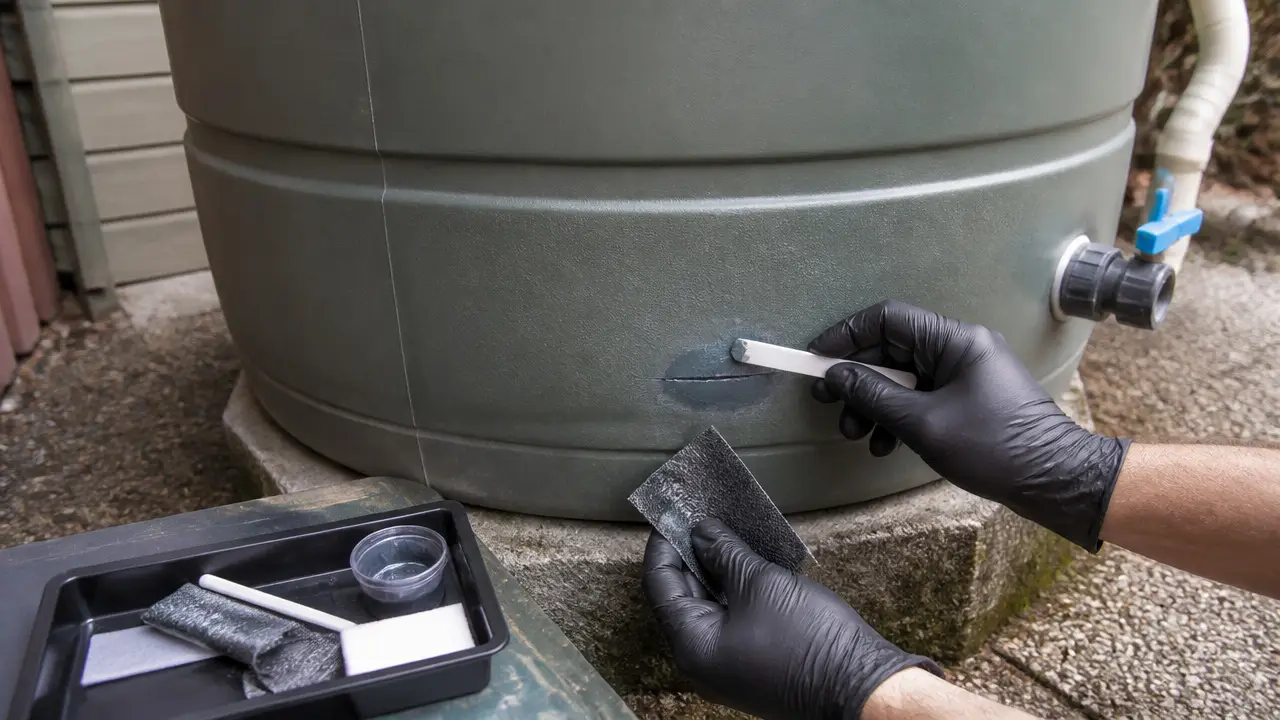
- Cracks
- Bulging
- Loose fittings
- Damaged seals
- Missing screens
- Leaking hoses
- Blocked overflow openings
- An unstable base
Check that the barrel sits level on a firm base.
Do not underestimate the load. A 55-gallon barrel can hold more than 450 pounds of water, not including the weight of the barrel and support structure.
Repair or replace an unsafe stand before refilling the barrel.
10. Reconnect the System
Reconnect the inlet and overflow after cleaning.
Make sure the overflow has a clear path away from buildings and other areas where concentrated water could cause trouble.
Restore the downspout or diverter to its normal operating position.
During the next rainfall, check for:
- Leaks
- Water bypassing the inlet
- Overflow problems
- Loose hoses
- Slow drainage
- Water pooling around the barrel
Should You Disinfect a Rain Barrel?
Routine cleaning and disinfection are not the same thing.
Cleaning removes sediment, organic matter, and surface buildup. Disinfection uses a chemical or another treatment process to reduce microorganisms.
Details about a suitable barrel cleaner help assess long-term tank ventilation with dependable overflow handling.
For a rain barrel used only for non-potable purposes such as suitable landscape watering, routine cleaning may be all that is needed unless the barrel manufacturer or local guidance calls for additional treatment.
Non-potable means water that is not intended for drinking.
Do not add disinfectants casually or assume that adding bleach makes roof runoff safe to drink. The right treatment depends on the water source, intended use, storage system, contamination risks, and treatment equipment.
If rainwater will be used as drinking water, cleaning the storage tank is only one part of a much larger water-safety system. Suitable collection surfaces, debris removal, treatment, current laboratory testing, maintenance, and applicable local requirements all matter.
How to Remove Algae From a Rain Barrel
Algae usually needs light, moisture, and nutrients.
Empty the barrel and scrub the affected surfaces. Then look for the reason algae was able to grow.
Common causes include:
- A translucent barrel
- An uncovered opening
- Light entering around the lid
- Heavy organic debris in the water
An opaque, closed barrel generally limits light better than a clear or translucent container.
Do not paint or coat a barrel without first confirming that the coating is suitable for the barrel material and intended water use.
How to Deal With a Smelly Rain Barrel
Odor often means organic material has been sitting in the water.
Possible sources include:
- Leaves
- Pollen
- Roof debris
- Sediment
- Animal droppings
- Insects or small animals
- Water stored for a long time
Empty and clean the barrel rather than trying to cover the smell with chemicals.
Then inspect the roof, gutters, inlet screen, and any first-flush system. If large amounts of debris continue entering the barrel, cleaning the barrel alone will not solve the problem.
How to Prevent the Barrel From Getting Dirty Quickly
You cannot keep all dirt out of a rainwater system, but you can reduce how quickly it accumulates.
Keep the Gutters Clear
Leaves and decomposing debris in gutters eventually wash toward the barrel.
Clean gutters as needed and make sure water can flow freely toward the downspout.
Use an Inlet Screen
An inlet screen can stop larger leaves and debris before they enter storage.
Clean the screen regularly. A blocked screen can cause water to spill beside the barrel instead.
Consider First-Flush Diversion
A first-flush device can reduce the amount of early roof runoff entering storage.
It does not make rainwater automatically safe, and the device itself needs regular draining or cleaning.
Keep the Barrel Covered
Use a properly fitted lid or screened opening.
This helps reduce debris, animal access, and mosquito problems.
Block Unnecessary Light
An opaque barrel can reduce algae growth.
Check lids and unused openings for places where sunlight is entering the container.
Do Not Ignore the Bottom Sediment
A barrel can look clean from the top while several inches of sludge have accumulated underneath.
Periodic draining makes it much easier to catch this buildup before it becomes severe.
How Often Should You Clean a Rain Barrel?
There is no single schedule that fits every system.
For many household rain barrels, inspecting the barrel several times during the collection season and thoroughly cleaning it once or twice a year is a practical starting point.
You may need more frequent cleaning if:
- Trees overhang the roof
- Gutters collect heavy debris
- The barrel has no prefilter
- The water sits unused for long periods
- The climate supports rapid algae growth
- You frequently find sediment at the outlet
A cleaner roof-to-barrel path usually means less work inside the barrel.
Cleaning Before Winter
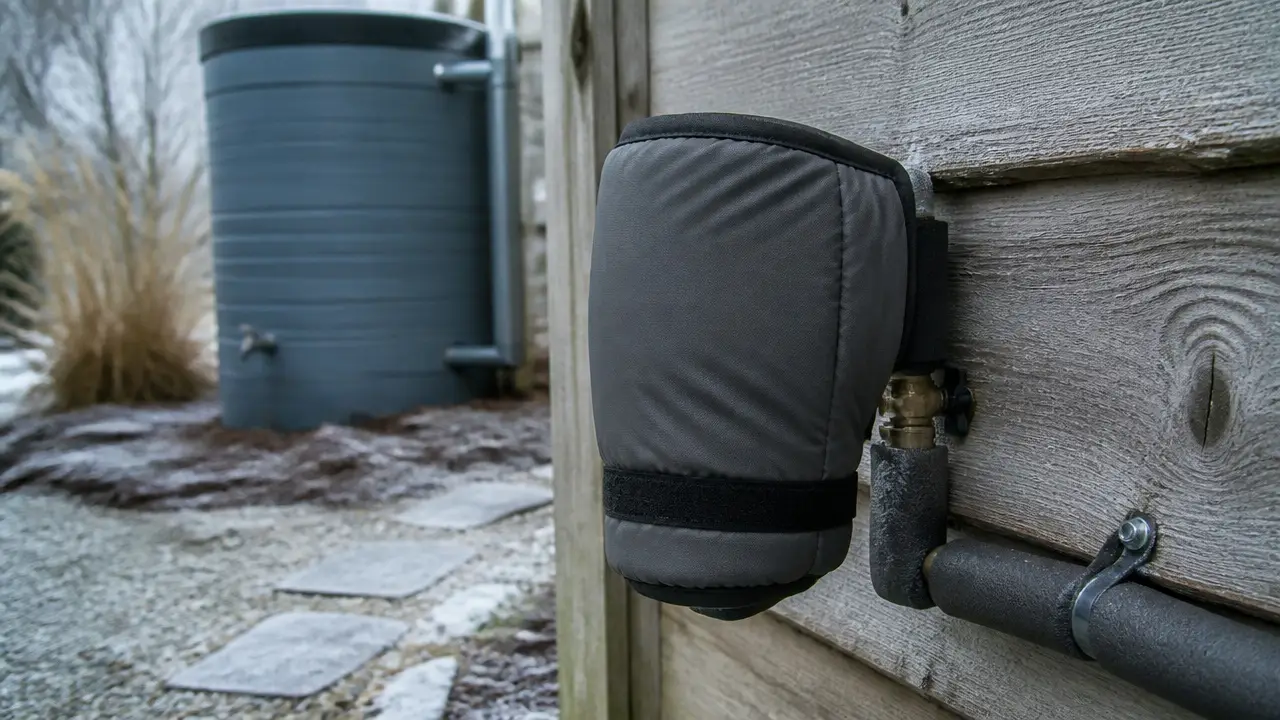
In freezing climates, cleaning the barrel at the end of the season can make winter preparation easier.
After emptying and cleaning it, follow the barrel manufacturer's winter-storage instructions. Depending on the system, this may involve disconnecting the barrel, opening drains, protecting fittings, or bypassing the downspout.
Do not assume a closed valve means the barrel is empty. Water trapped in valves, hoses, pumps, or fittings can freeze.
Large tanks and permanent systems may require more specific freeze protection.
When Not to Clean It Yourself
A basic above-ground rain barrel is usually manageable as a DIY cleaning job.
Stop and get qualified help if the work involves:
- Entering a cistern or tank
- Climbing onto a roof
- Moving a large or heavy tank
- Electrical pumps or controls near water
- Damaged structural supports
- Pressurized plumbing you are not comfortable servicing
- Suspected chemical contamination
- A rainwater system supplying household drinking water
The risk and complexity increase quickly once the system goes beyond a simple garden barrel.
Frequently Asked Questions
Can I clean a rain barrel with dish soap?
A small amount of mild soap may be useful for stubborn dirt if it is compatible with the barrel material. Rinse the barrel thoroughly afterward so soap residue does not remain in the stored water.
Do I need to clean my rain barrel every year?
At least an annual inspection and cleaning is a sensible starting point for many systems. Barrels exposed to heavy roof debris, algae, or long storage periods may need cleaning more often.
Why is there black sludge in the bottom of my rain barrel?
Fine roof dirt, pollen, leaves, organic matter, and other particles can settle to the bottom over time. Remove the sludge during cleaning and inspect your gutters, inlet screen, and prefiltration to reduce future buildup.
Can I use a pressure washer inside a rain barrel?
Only if the barrel manufacturer says the material can handle it. High-pressure spray can damage some plastic surfaces, seals, screens, and fittings. A hose and scrub brush are usually enough for a typical barrel.
What should I do if mosquitoes are in my rain barrel?
Empty and clean the barrel if necessary, then find where mosquitoes are getting in. Inspect the lid, inlet, overflow, and screens. All openings should be appropriately covered or screened while still allowing the system to operate correctly.
Why does my rain barrel smell bad?
Odor commonly develops when leaves, sediment, insects, or other organic material decompose in stored water. Empty and clean the barrel, then inspect the roof-to-barrel path for sources of contamination.
Is rain barrel water safe to drink after I clean the barrel?
Cleaning a barrel does not make collected rainwater potable. Potable means suitable for drinking. Drinking-water use requires a properly designed collection and treatment system, suitable maintenance, current laboratory testing, and compliance with applicable local requirements.
Should I clean the gutters when I clean the rain barrel?
Yes, if they need it. Cleaning the barrel while leaving decomposing leaves and debris in the gutters can result in the barrel becoming dirty again during the next rainfall.