As an affiliate, we may earn a commission from qualifying purchases. We get commissions for purchases made through links on this website from Amazon and other third parties.
Rainwater systems work best when maintenance is simple and regular. Most problems start with leaves, roof dirt, clogged screens, standing sediment, loose fittings, pump issues, or water that sits too long.
A good maintenance routine follows the same path as the water: roof, gutters, prefilters, storage tank, outlets, pumps, treatment equipment, and the final point of use. Small rain barrels may need only a few checks. Larger cistern or household systems need a more structured schedule.
The right maintenance also depends on how you use the water. Garden water does not need the same treatment controls as water used for bathing, cooking, or drinking.
A Simple Rainwater System Maintenance Schedule
There is no single schedule that fits every system. Trees, storms, dust, wildlife, tank size, climate, and water use can all change how often parts need attention.
This is a practical starting point:
| When | What to Check |
|---|---|
| After major storms | Gutters, screens, first-flush device, overflow, visible leaks |
| Every 1 to 3 months | Inlet screens, filters, tank fittings, hoses, valves |
| About twice a year | Roof drainage path, gutters, downspouts, pump area |
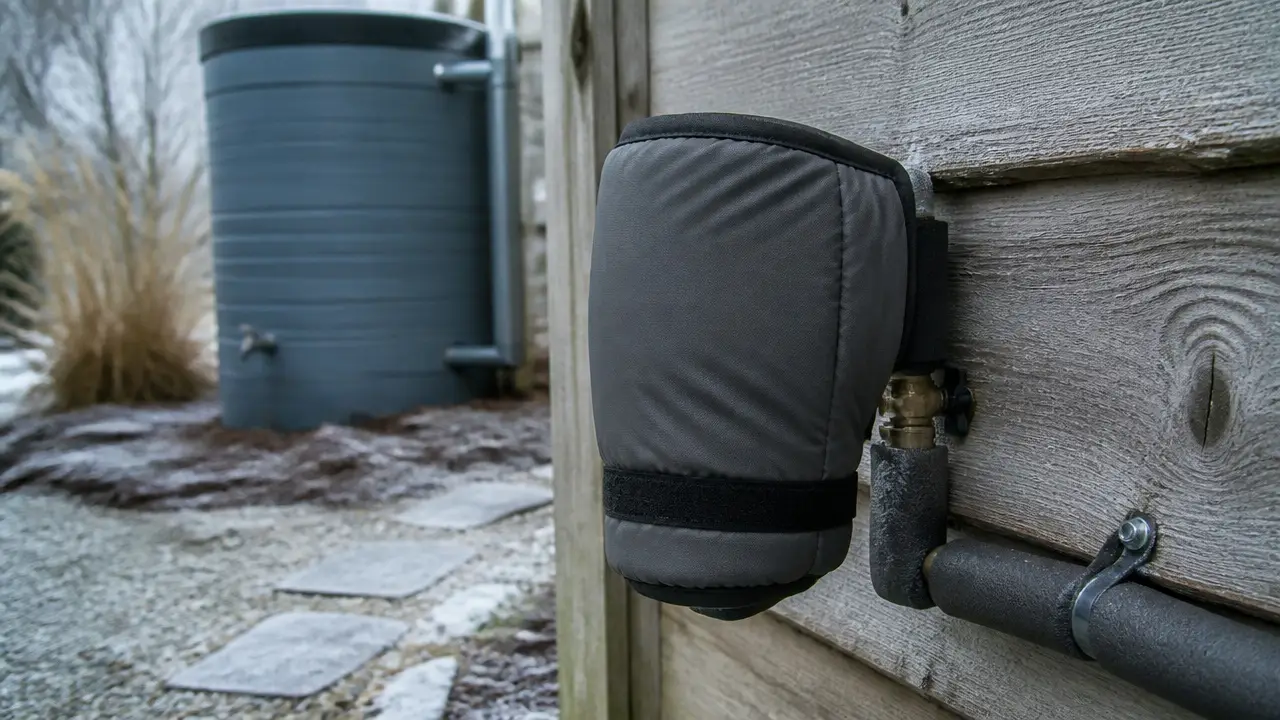
| Before freezing weather | Exposed tanks, pipes, valves, pumps, filters |
| At least yearly | Tank lid, vents, overflow screens, structural condition, treatment system |
| As needed | Sediment buildup, filter replacement, leaks, damaged fittings |
EPA guidance for rainwater harvesting systems also emphasizes regular gutter cleaning, inspection of screening and first-flush equipment, checking tank covers and mosquito screens, and periodic inspection for sediment and damaged components.
A heavily wooded property may require much more frequent cleaning than an open roof with few nearby trees.
Start With the Roof and Gutters
Anything that lands on the collection surface can move toward the tank.
Leaves, twigs, pollen, dust, insects, bird droppings, and roofing debris can all end up in the system if they are not removed upstream.
Check the roof from a safe location
Look for:
- Heavy leaf buildup
- Branches touching or hanging over the roof
- Animal activity
- Damaged roofing
- Moss or heavy organic buildup
- Materials that may be breaking down
Do not climb onto a steep, wet, damaged, or difficult-to-access roof just to perform routine rainwater maintenance. Use safe access methods or hire someone qualified when necessary.
If rainwater is intended for uses involving human contact or consumption, the suitability of the roofing and gutter materials also matters. Roof runoff should not be assumed safe simply because the roof looks clean.
Keep gutters flowing
Remove leaves and other debris before they form wet piles or block downspouts.
Also look for:
- Sagging sections
- Standing water
- Separated joints
- Leaks
- Blocked downspouts
- Water bypassing the intended inlet
A clean tank will not stay clean for long if dirty gutters continually feed it.
Clean Inlet Screens and Prefilters
Screens and prefilters stop larger material before it reaches storage.
Depending on the system, this may include a:
- Gutter screen
- Downspout screen
- Basket filter
- Tank inlet strainer
- Leaf separator
- Vortex filter
Inspect these parts regularly during rainy periods.
A partly blocked filter may still pass water, but it can reduce flow rate, which means the amount of water that can move through the system during a given time. During heavy rain, restricted flow can cause water to spill over the gutter or bypass the collection system.
Clean reusable screens according to their design. Replace damaged mesh rather than leaving openings that allow insects or debris through.
Maintain the First-Flush Diverter
A first-flush diverter directs some of the first roof runoff from a storm away from the storage tank.
That first runoff can carry a higher load of dust, droppings, pollen, and other material that collected during the dry period before the rain.
Check that the diverter:
- Drains as designed
- Is not clogged
- Resets before the next storm
- Has no cracked fittings
- Has not become a stagnant container
Some systems use an automatic slow-drain fitting. Others need manual emptying.
Do not assume that having a first-flush diverter makes the stored water safe to drink. It is only one part of managing water quality.
Inspect the Storage Tank
The tank is the center of the system, but maintenance usually works better when contamination is controlled before water reaches it.
Whether you have a 55-gallon rain barrel, an IBC tote, or a large cistern, check the same basic areas.
Keep the lid secure
A storage tank should prevent easy entry by:
- Leaves
- Insects
- Rodents and other animals
- Surface runoff
- Dirt
- Sunlight, where the tank design allows light to enter
Check covers for cracks, warping, missing fasteners, and gaps.
Never enter a cistern or other confined tank for cleaning or inspection unless the work is being handled under proper confined-space safety procedures. Large tanks can present serious hazards.
Check vents and openings
Tank vents may be necessary for air movement as water enters and leaves.
They should not become open paths for pests.
Check screens over vents, inlets, and overflow pipes. Repair holes and gaps rather than relying on a screen that is visibly damaged.
CDC specifically recommends screening rainwater collection systems to help keep mosquitoes from laying eggs in stored water.
Look for algae or unusual growth
Light entering a tank can encourage algae.
If you can see green growth through the tank wall or around openings, check for:
- An uncovered opening
- A translucent tank exposed to sunlight
- Damaged covers
- Light entering through plumbing openings
Algae problems are usually easier to control by limiting light and organic material than by repeatedly treating the water.
Watch for Sediment Buildup
Small particles that pass through upstream screens can settle on the bottom of the tank.
Some sediment is normal in many rainwater systems. Too much can reduce usable storage volume and create a layer of organic material that is difficult to manage.
How quickly sediment builds depends on:
- Roof cleanliness
- Nearby trees
- Local dust
- Screening
- First-flush performance
- Tank inlet design
- How often the system is used
Do not drain and scrub a large cistern on an arbitrary schedule if inspection shows little buildup. On the other hand, do not wait for thick sludge or strong odors before investigating.
For large tanks, sediment removal may require specialized equipment. Avoid entering the tank yourself.
Check the Overflow
The overflow is easy to ignore until a heavy storm arrives.
Make sure it:
- Is not clogged
- Can handle expected flow
- Directs water to an appropriate location
- Does not create erosion near the tank or foundation
- Has intact pest screening where appropriate
Watch the system during a strong rain when it is safe to do so. Water backing up around the inlet or escaping through unintended openings can point to an undersized or blocked overflow path.
Overflow conditions also change as landscaping settles or soil erodes, so a drainage path that worked several years ago may need another look.
Inspect Fittings, Valves, and Pipes
Small leaks can become large water losses over time.
Check around:
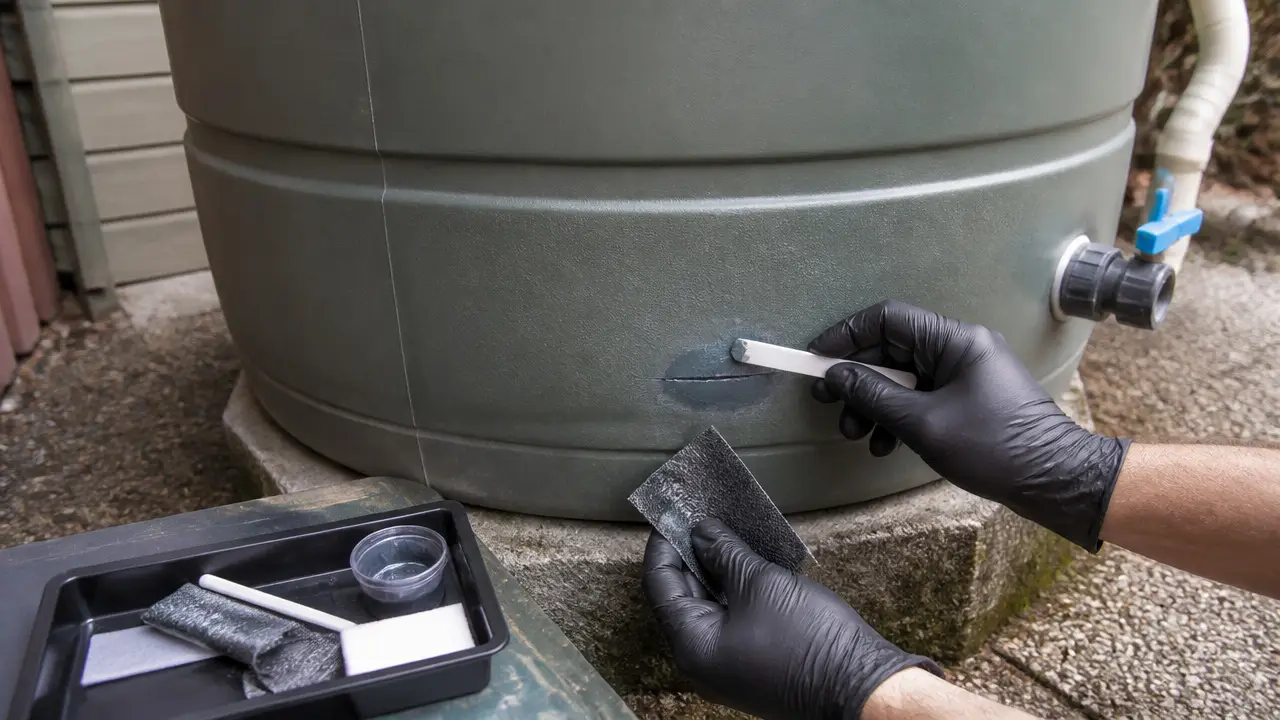
- Bulkhead fittings
- Tank outlets
- Threaded connections
- Unions
- Hose adapters
- Valves
- Pump connections
- Flexible tubing
A bulkhead fitting is a fitting that passes through the wall of a tank and creates a sealed connection for a pipe or valve.
Look for dripping, damp soil, stains, loose fittings, and cracks.
Do not simply tighten every plastic fitting as hard as possible. Overtightening can distort seals or crack plastic parts.
If a tank wall is damaged around a fitting, repairing the connection may involve more than replacing a gasket.
Check the Tank Support
Water is heavy.
A full tank places a large load on its base. The larger the storage volume, the more important the foundation becomes.
Look for:
- Uneven settling
- Erosion
- Leaning
- Cracked supports
- Soft ground
- Tank deformation
- Movement around plumbing connections
Do not try to level or move a large filled tank.
If a large cistern has shifted, bulged, or developed structural damage, stop treating it as a simple plumbing repair. Have the installation assessed by someone qualified to evaluate the tank and its support.
Maintain Pumps and Pressure Equipment
Systems that feed hoses, irrigation zones, toilets, or household fixtures may use a pump.
Pump maintenance depends on the exact equipment, so the manufacturer's instructions should guide servicing and replacement intervals.
Routine checks can include:
- Listening for unusual noise
- Checking for leaks
- Confirming normal pressure
- Keeping intake screens clean
- Looking for repeated rapid cycling
- Making sure electrical connections remain dry and protected
- Confirming dry-run protection works if installed
A pump should not repeatedly run without water. Dry running can damage some pumps.
Reviewing monitoring equipment for reliable rainwater operation helps verify routine maintenance needed for dependable operation.
If performance drops, do not assume the pump is failing. A clogged filter, blocked intake, air leak, low tank level, undersized pipe, or excessive lift may also reduce output.
Remember head height
Head height describes how high a pump must lift water, along with the resistance created by the plumbing system.
Changes to piping, irrigation zones, or tank location can change how hard the pump must work.
Leave unsafe electrical work alone
Do not open electrical equipment or modify wiring around pumps unless you are qualified to do so.
Water, outdoor wiring, and damaged electrical equipment are a dangerous combination.
If breakers trip, wiring becomes wet, or a pump has an electrical fault, disconnect the system safely and have it checked by a qualified electrician or pump professional.
Maintain Irrigation Lines
Rainwater used in drip irrigation often carries more fine material than treated municipal water.
That makes filtration and flushing especially important.
Check:
- Irrigation filters
- Drip emitters
- Pressure regulators
- Valves
- Hose connections
- End caps
- Sprinkler nozzles
Flush lines when needed to remove accumulated debris.
If emitters keep clogging, investigate the cause upstream rather than repeatedly replacing them. The system may need better screening or filtration before the irrigation lines.
Replace or Clean Filters Correctly
Not every filter does the same job.
A screen that catches leaves is different from a cartridge that removes fine particles.
A filter's micron rating describes the approximate size of particles it is designed to capture. A smaller micron number generally means finer filtration, but that does not automatically mean safer water.
Check filters for:
- Visible dirt
- Reduced flow
- Pressure loss
- Cracked housings
- Loose seals
- O-ring damage
- Expired replacement intervals
Follow the filter manufacturer's replacement or cleaning instructions.
Do not keep using a cartridge indefinitely because it still looks clean. Some treatment components have service limits that cannot be judged by appearance alone.
Maintain UV and Other Water Treatment Equipment
Treatment systems need maintenance just as collection equipment does.
A neglected treatment system can create false confidence about water quality.
If your system includes ultraviolet treatment, carbon filtration, sediment cartridges, chemical treatment, or other equipment, follow the manufacturer's maintenance requirements.
UV systems commonly depend on several things working together, including adequate water clarity, proper flow, clean components, and a functioning lamp or UV source.
A UV unit should not be treated as a complete rainwater safety system by itself.
The same applies to filters and purifiers. Each treatment stage addresses certain problems. No single device should be assumed to remove every germ, chemical, metal, or other contaminant that may be present in roof runoff.
Pay Extra Attention to Drinking-Water Systems
Potable water means water that is suitable for drinking. Non-potable water is not intended for drinking.
Rainwater should not be considered potable merely because it has been stored in a clean tank or passed through a filter.
CDC notes that collected rainwater can contain germs and chemicals even when it looks clean. For rainwater used for drinking, cooking, or bathing, CDC recommends regular testing and appropriate treatment based on the contaminants involved. It also recommends contacting the local health department for guidance about testing and safe use.
A drinking-water system needs to be managed as a whole. That may include:
- Suitable collection surfaces and materials
- Debris exclusion
- First-flush management
- Protected storage
- Appropriate filtration
- Treatment designed for the actual contaminants
- Regular maintenance
- Current laboratory testing
- Compliance with applicable local requirements
A basic home test strip or total dissolved solids, or TDS, meter cannot establish that rainwater is microbiologically and chemically safe to drink. TDS only gives limited information about dissolved material in the water.
If you are planning to use rainwater as drinking water, work with your local health authority, an accredited water laboratory, and a qualified treatment professional as appropriate.
Keep Rainwater Separate From Drinking-Water Plumbing
Systems connected to a home require special care.
Untreated rainwater must not be allowed to flow backward into a potable plumbing system.
CDC recommends keeping rainwater separate from treated piped water because rainwater can contaminate the drinking-water supply.
Backflow protection and plumbing requirements vary by location and system design. Do not improvise a direct connection between a rainwater tank and household drinking-water piping.
Have cross-connections and required backflow protection handled according to current local plumbing and health requirements.
Prepare for Freezing Weather
Cold climates create a separate set of maintenance problems.
Water expands when it freezes. Trapped water can damage:
- Pipes
- Valves
- Filter housings
- Pumps
- Hose fittings
- First-flush devices
- Exposed rain barrels
Before freezing weather, determine which parts of your system are designed to stay in service through winter.
Other components may need to be drained, isolated, disconnected, or protected according to their design.
EPA guidance notes that some rainwater systems in colder climates may need to be taken offline before freezing conditions and reconnected in spring.
Do not assume wrapping an exposed pipe or barrel guarantees freeze protection. Climate, wind, duration of freezing weather, insulation, heat sources, and whether water can drain all affect the result.
Check the System After Severe Weather
Heavy storms, flooding, wildfire ash, roofing damage, or nearby construction can change water quality quickly.
After severe weather, inspect the collection area before putting the system back into normal use.
Look for:
- Roof damage
- Debris
- Contaminated runoff
- Floodwater around the tank
- Broken screens
- Damaged pipes
- Mud entering the system
Floodwater is especially important.
CDC advises that flooding and heavy rains can wash germs and chemicals into cisterns and rain catchments. A drinking-water cistern affected by floodwater should not simply be assumed safe after the water clears. Cleaning, disinfection, testing, or professional guidance may be needed before returning it to service.
Signs Your Rainwater System Needs Attention
Do not wait for your maintenance calendar if something changes.
Inspect the system when you notice:
- Bad or unusual odors
- Visible algae
- Cloudy or discolored water
- Unexpected sediment
- Mosquitoes
- Reduced water flow
- Pump cycling problems
- Loss of pressure
- Overflow where it did not happen before
- Persistent dripping
- A rapidly dropping tank level
- Cracked or bulging tank walls
- Water entering around the lid
- Repeated filter clogging
These signs do not always reveal the cause. They tell you that something in the system has changed.
Work upstream to downstream when troubleshooting. A clogged garden emitter, for example, may actually begin with a failed tank screen or excess sediment.
Keep a Simple Maintenance Record
A notebook or phone note can make maintenance easier, especially on systems with pumps and treatment equipment.
Record things such as:
- Gutter cleaning dates
- Filter changes
- Tank inspections
- Sediment observations
- Pump servicing
- UV lamp or component changes
- Water test results
- Freeze shutdown and spring startup
- Repairs
This makes it easier to see patterns.
If a sediment filter once lasted six months but now blocks every few weeks, the record may point you toward a change elsewhere in the system.
Frequently Asked Questions
How often should a rainwater harvesting system be cleaned?
There is no single cleaning interval for the entire system. Check screens and prefilters regularly, clean gutters as debris builds up, and inspect the tank at least yearly. Tank cleaning should be based on actual sediment and contamination rather than an arbitrary calendar date.
How often should I clean a rain barrel?
Inspect a rain barrel every few months during use and after periods of heavy debris. Clean it when sediment, algae, odors, or contamination become noticeable. Keep the inlet, overflow, lid, and screens clear between full cleanings.
Do rainwater tanks need to be emptied every year?
Not necessarily. A well-protected tank with little sediment may not need annual draining. Inspect the tank instead. Drainage or professional cleaning becomes more reasonable when there is significant sediment, contamination, unusual odors, flooding, or another specific problem.
How do I keep mosquitoes out of a rainwater tank?
Keep the tank covered and place intact insect-resistant screens over appropriate inlets, vents, and overflow openings. Check screens for gaps or damage regularly. Do not leave open containers or stagnant first-flush chambers where mosquitoes can breed.
Why does my rainwater smell bad?
Odors can come from leaves, organic material, stagnant water, algae, sediment, or animals entering the system. Inspect the roof-to-tank path and identify the cause before trying to mask the smell or adding chemicals.
Can I drink rainwater if I maintain the tank well?
Tank maintenance alone does not make rainwater safe to drink. Drinking-water use requires suitable collection and storage, appropriate treatment, regular laboratory testing, ongoing maintenance, and compliance with applicable local health and plumbing requirements.
What maintenance does a rainwater pump need?
Keep its intake clear, watch for leaks and unusual noises, confirm normal pressure and flow, and prevent dry running where the pump requires it. Follow the pump manufacturer's maintenance instructions. Electrical faults or pressure-system problems should be handled by qualified professionals when appropriate.